How Data Analytics Is Helping Businesses Make Smarter Decisions
-

- September 17th, 2026
- 1,700 views

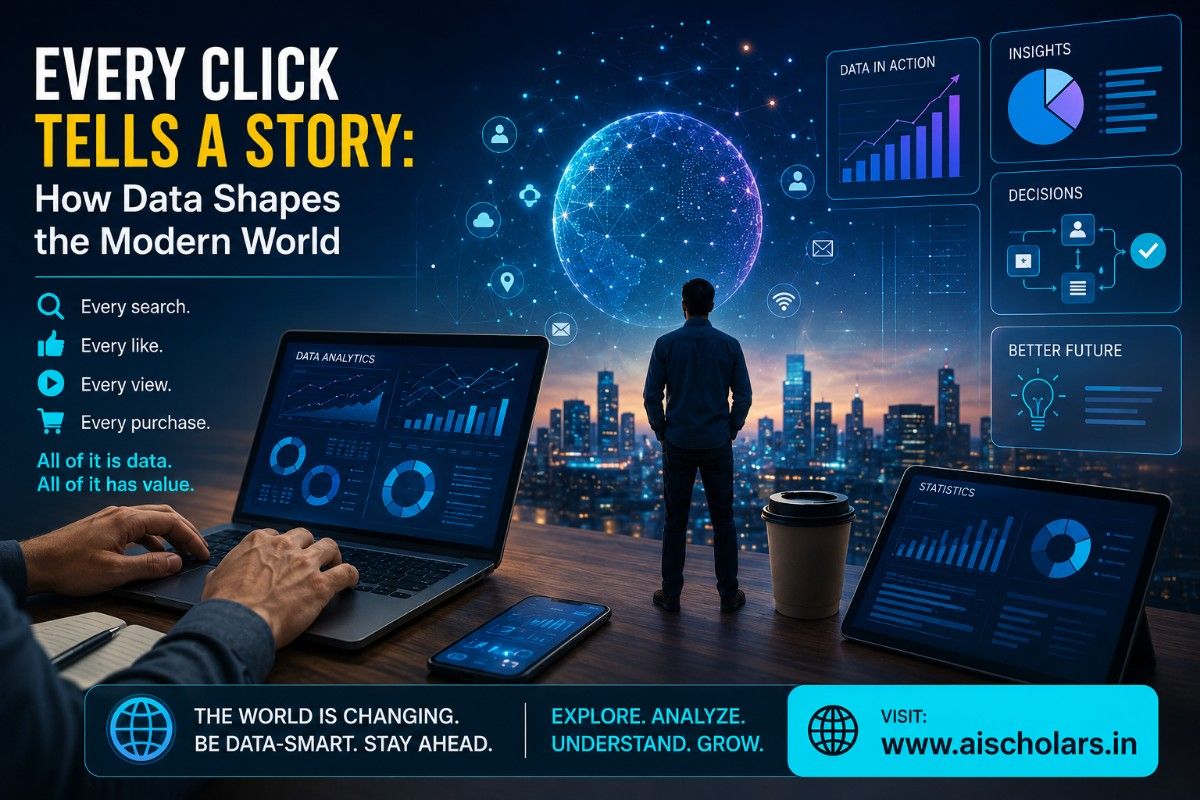
Businesses today generate information from almost every activity, including customer interactions, sales transactions, website visits, marketing campaigns, supply chains, and internal operations. The challenge is no longer simply collecting this information. The real challenge is understanding it quickly enough to make better decisions.
As organizations become more dependent on measurable insights, working with a data analytics company Jaipur businesses can trust can help turn scattered information into useful knowledge. From improving operational efficiency to identifying customer trends, analytics is becoming an important part of modern business strategy.
Why Data Has Become a Business Asset
For many years, businesses primarily relied on experience and intuition when making important decisions. While experience remains valuable, today's competitive environment requires organizations to support those decisions with reliable evidence.
Data can reveal what is happening across different areas of a business. For example, sales information can highlight high-performing products, customer data can reveal changing preferences, and operational information can expose unnecessary delays or resource usage.
When these insights are organized properly, companies can move from simply reacting to problems toward anticipating them.
Turning Raw Information Into Useful Insights
Raw data is rarely ready for immediate analysis. It may come from multiple systems, contain duplicate records, have missing values, or use different formats. Before meaningful conclusions can be drawn, organizations need a structured approach to preparing and organizing information.
A typical analytics process includes:
- Collecting information from relevant sources
- Cleaning and validating datasets
- Combining information from different systems
- Identifying important patterns and relationships
- Presenting findings through reports or dashboards
- Using insights to support business decisions
This process creates a connection between everyday business activity and strategic planning.
Improving Decision-Making Across Departments
One of the biggest advantages of analytics is that it can support different departments rather than being limited to a single business function.
Sales and Marketing
Sales teams can study purchasing patterns, conversion rates, customer segments, and campaign performance. Instead of treating every customer in the same way, businesses can use these insights to understand which audiences respond to particular offers or communication channels.
Marketing teams can also measure which campaigns generate meaningful results and allocate resources more effectively.
Operations
Operational analytics can help businesses identify bottlenecks, inefficient processes, and resource gaps. Tracking performance over time makes it easier to understand where improvements are required.
For example, a company may discover that a particular stage in its workflow consistently causes delays. Addressing that specific stage can improve overall productivity without requiring a complete operational redesign.
Finance
Financial analytics can provide greater visibility into revenue, costs, profitability, and cash-flow patterns. Businesses can compare actual performance with forecasts and identify unexpected changes before they become larger problems.
This can help management teams make more informed decisions about budgets, investments, and resource allocation.
The Growing Role of Predictive Analytics
Traditional reporting mainly explains what has already happened. Modern analytics can go further by helping organizations estimate what may happen next.
Predictive techniques use historical information, statistical methods, and machine learning models to identify patterns that may indicate future outcomes. Businesses can use these insights for demand forecasting, customer retention, inventory planning, risk assessment, and other strategic activities.
However, predictions should not be treated as guaranteed outcomes. Their usefulness depends on data quality, appropriate modeling techniques, and continuous evaluation.
Why Data Quality Matters
Advanced analytical tools cannot compensate for poor-quality information. If the underlying data is incomplete, outdated, inconsistent, or inaccurate, the resulting insights may also be unreliable.
Organizations therefore need to establish strong data-quality practices. These can include validation rules, standardized formats, regular data cleaning, clear ownership, and monitoring processes.
Good governance is equally important. Businesses should know where their information comes from, who can access it, how it is being used, and how sensitive information is protected.
Making Analytics Accessible to Business Teams
Analytics becomes more valuable when decision-makers can understand and use the results without depending on technical teams for every question.
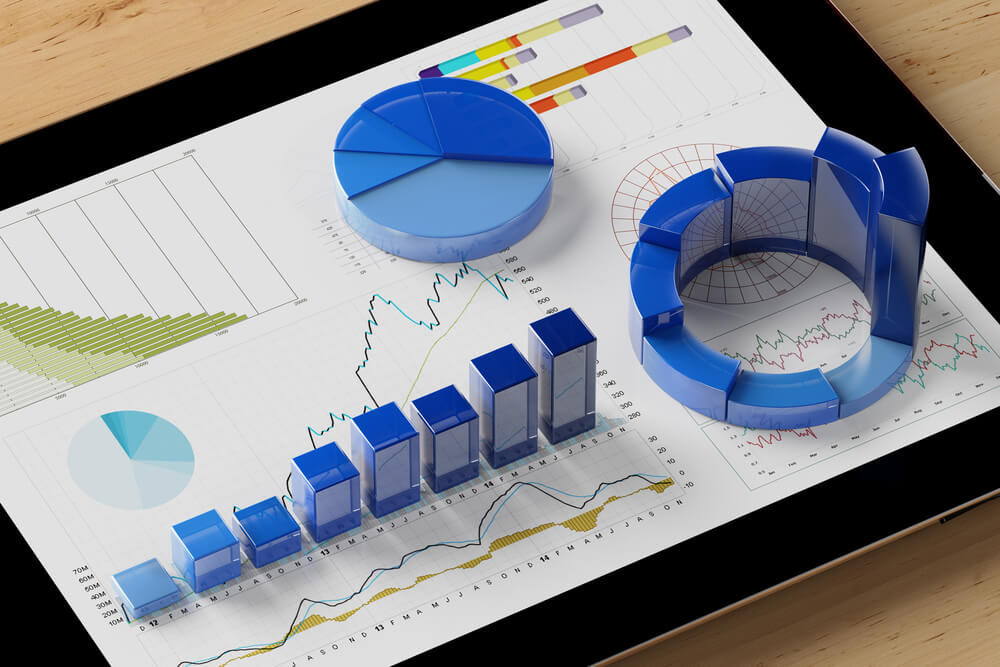
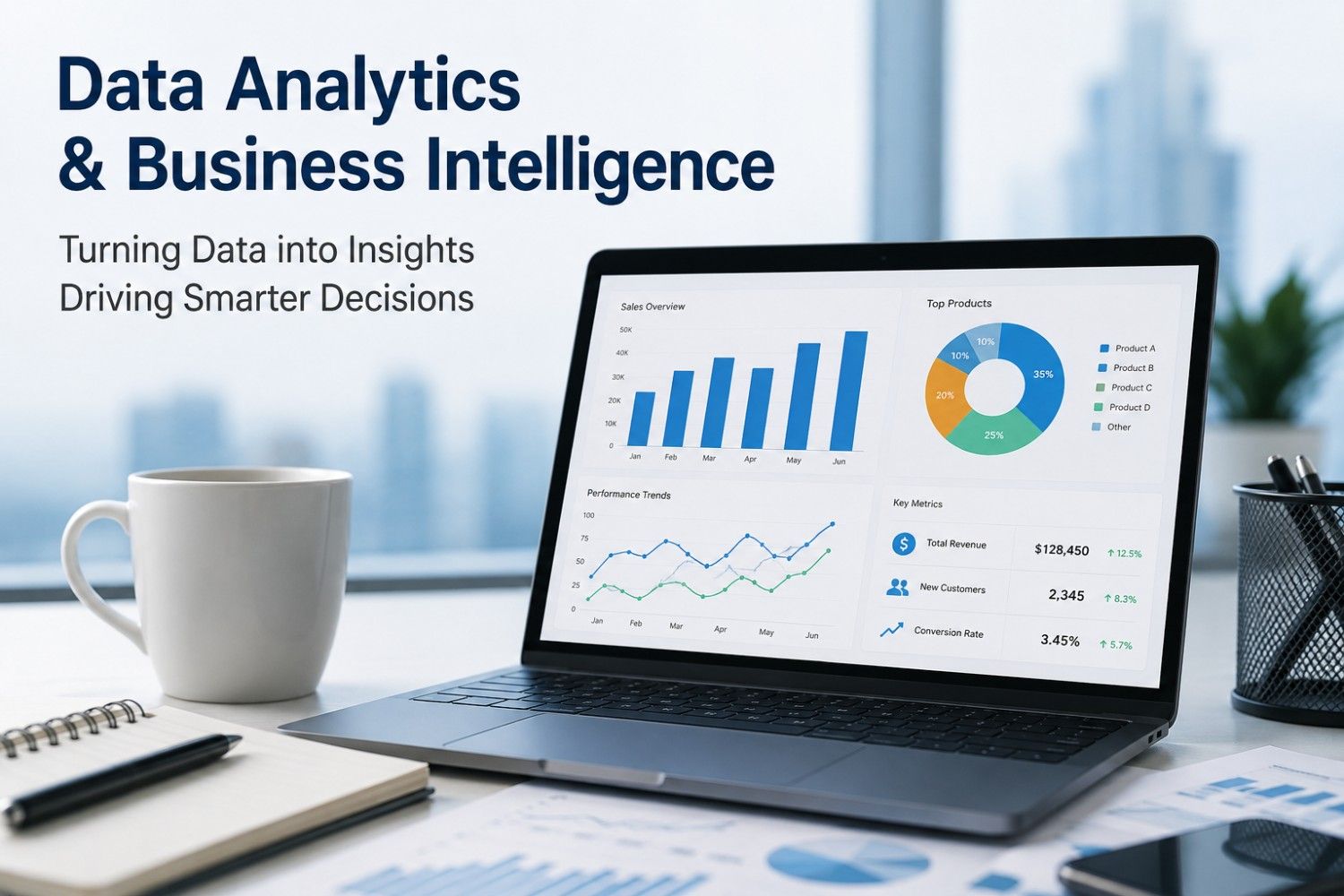
Interactive dashboards, automated reporting, and clear visualizations can make complex information easier to interpret. Instead of receiving large spreadsheets filled with numbers, managers can focus on important indicators, trends, and exceptions.
The goal should not be to create more reports. It should be to create better visibility into the information that directly influences business outcomes.
Building a Sustainable Analytics Strategy
Successful analytics requires more than purchasing software or creating a dashboard. Organizations need to connect analytics initiatives with clearly defined business objectives.
Before starting a project, businesses should consider:
- What business problem needs to be solved?
- Which data is required?
- Is the available information reliable?
- Who will use the insights?
- How will success be measured?
- Can the solution scale as data volumes increase?
Starting with a specific business problem often produces better results than attempting to analyze everything at once.
Looking Ahead
The future of business analytics will increasingly combine traditional reporting, automation, predictive modeling, artificial intelligence, and real-time data processing. As these technologies become more accessible, organizations of different sizes will have greater opportunities to use information strategically.
The most successful businesses will not necessarily be those that collect the largest amount of data. They will be the ones that can identify the right information, understand its meaning, and turn insights into timely action.
For organizations looking to strengthen this capability, Priorise represents one example of a company working across data, analytics, AI, and related technology solutions.
Ultimately, analytics is not simply about numbers or dashboards. It is about creating a clearer understanding of how a business operates and using that understanding to make more confident, evidence-based decisions.
Reach best services today - https://priorise.co/