A Day in the Life: What a Professional Cleaner in Orange County Actually Does
-

- Published Updated
- 1,190 views
Behind the Scenes: A Day in the Life of a professional cleaner in Orange County
A professional cleaner in Orange County performs a mix of residential and commercial services that blend physical labor, time management, and customer communication. Daily tasks range from routine tidying to deep-cleaning kitchens and restrooms, while following local health and safety expectations, client contracts, and scheduling demands.
- Typical work includes cleaning, disinfecting, inventory management, and client communication.
- Common tools: vacuums with HEPA filters, microfiber cloths, EPA-registered disinfectants.
- Compliance with OSHA, Cal/OSHA and CDC cleaning guidance is standard practice.
- Scheduling, travel time, and documentation occupy substantial portions of the day.
Typical schedule and workflow for a professional cleaner in Orange County
The workday commonly begins with route planning and supply checks. In residential cleaning, appointments are often scheduled with 60–120 minute windows per home; in commercial settings, shift-based assignments focus on high-traffic areas during off-hours. Travel time between sites, traffic considerations in Orange County, and client access instructions are factored into daily routing.
Morning routine
Preparation includes loading a vehicle with labeled supplies, checking equipment (vacuums, buffers, HEPA filters), and reviewing job notes for special client requests or access codes. For teams, a brief safety and task briefing helps coordinate assignments.
On-site workflow
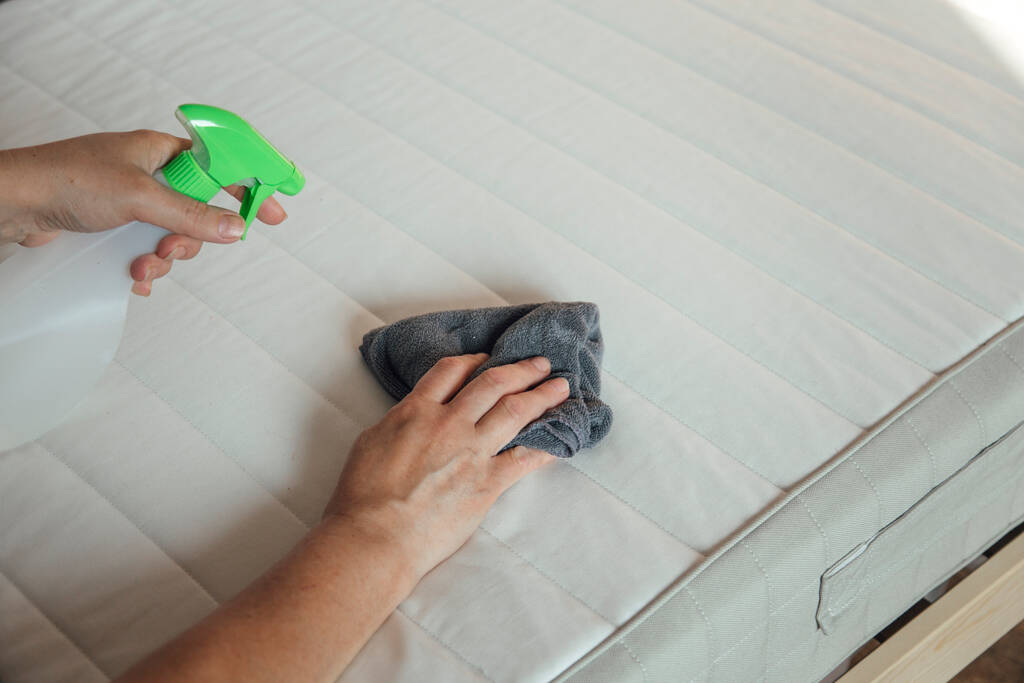
Standard on-site steps include decluttering, dusting, surface cleaning, vacuuming or mopping, and targeted disinfecting. For commercial facilities, restrooms and breakrooms receive priority. Time is allocated for quality checks and client sign-off or photo documentation when required.
Tools, supplies, and technology
Tools range from microfiber cloths and ergonomic mops to backpack vacuums and portable carpet extractors. Digital tools—scheduling apps, invoicing platforms, and client communication systems—help manage bookings and billing. Inventory management ensures consumables like hand soap, paper products, and disinfectants remain stocked.
Cleaning agents and environmental choices
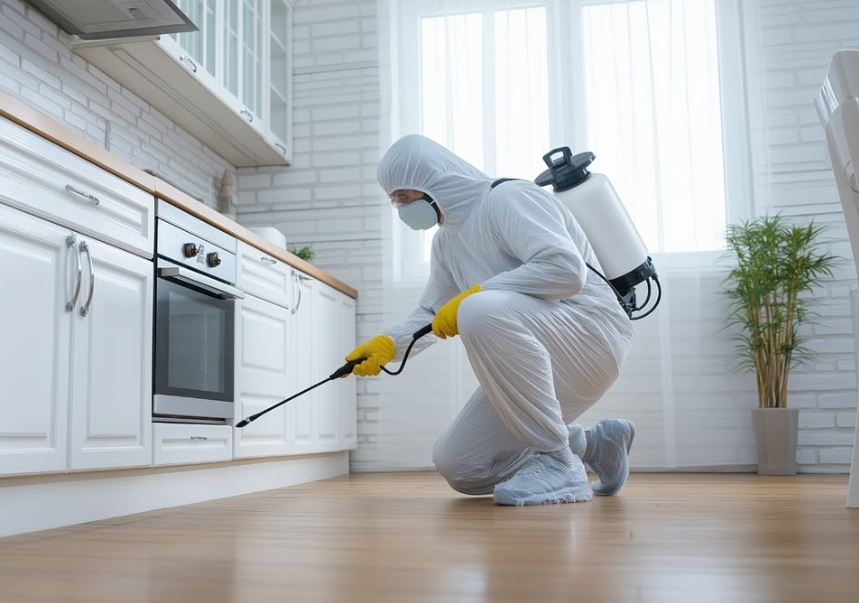
Many cleaners use products that are EPA-registered for disinfecting and follow manufacturer instructions for dwell time. Green cleaning options—certified or plant-based products—are increasingly in demand. HEPA filtration and proper ventilation are used to reduce airborne dust and allergens.
Safety, regulations, and quality standards
Safety protocols are central to professional cleaning. Workers commonly follow guidelines from OSHA and Cal/OSHA on chemical handling, personal protective equipment (PPE), and ergonomics. For infection control and disinfection best practices, many organizations reference public health guidance; for example, the U.S. Centers for Disease Control and Prevention provides recommendations for cleaning and disinfecting buildings and facilities (CDC guidance).
Training and certification
Formal training can include safe chemical use, bloodborne pathogens awareness (if applicable), and equipment operation. Some professionals pursue industry certificates or manufacturer training for specialized machines. Employers often implement written procedures for quality control and incident reporting.
Client communication, scheduling, and business practices
Clear communication about scope, pricing, and access procedures reduces misunderstandings. Written checklists, photos after completion, and electronic receipts contribute to transparency. For independent cleaners and companies alike, maintaining accurate time logs, invoices, and tax records supports regulatory compliance and business continuity.
Handling special requests and scope changes
Requests such as deep carpet cleaning, move-out services, or hoarding cleanups may require additional equipment, time, or vendor coordination. Written estimates and change orders protect both the cleaner and the client.
Common challenges and rewards
Challenges include physically demanding tasks, fluctuating schedules, traffic-related delays, and managing client expectations. Rewards include skill development, steady demand for cleaning services, and the immediate, visible results of work. Many cleaners find job satisfaction in improving living or working environments and building long-term client relationships.
Environmental and community considerations
Waste reduction practices—proper disposal of chemical containers, recycling packaging, and minimizing single-use products—are part of responsible operations. Local regulations in Orange County may affect waste handling and disposal; consulting county public works or environmental services ensures compliance with municipal rules.
Skills, career paths, and advancement
Key skills include attention to detail, time management, client service, and knowledge of cleaning chemistry. Career progression can move from entry-level cleaning to supervisory roles, quality control positions, or starting an independent cleaning business. Training in customer service, safety compliance, and small-business management supports advancement.
FAQ
What does a professional cleaner in Orange County do during a typical shift?
Tasks include surface cleaning, vacuuming, restroom sanitation, restocking supplies, documenting work, and communicating with clients. Time is split among travel, on-site cleaning, equipment maintenance, and administrative tasks such as invoicing or logging job notes.
How are safety and chemical use regulated for professional cleaners?
Regulatory frameworks such as OSHA and Cal/OSHA set standards for safe chemical handling and workplace protections. Employers are expected to provide safety data sheets (SDS), PPE, and training on hazardous substances and ergonomics.
What equipment is commonly used by professional cleaners?
Common equipment includes vacuums (often with HEPA filters), microfiber cloths, mops, steam cleaners, carpet extractors, and appropriate disinfectants. Technology for scheduling and payment is also widely used.
How can clients verify quality and trustworthiness?
Clients may request references, proof of insurance and workers' compensation, background checks, or photographs of completed work. Clear contracts and documented policies for cancellations and refunds help set expectations.
Are green cleaning options available in Orange County?
Yes. Many cleaners offer eco-friendly products and methods, and certifications or labels can help clients choose lower-toxicity alternatives. Discuss specific product preferences and any allergies when booking services.