Demand vs Lead Generation: Practical Strategies for IT Companies
-
- Published Updated
- 1,660 views

The terms demand generation and lead generation in information technology describe complementary marketing efforts used by IT vendors, service providers, and software teams to grow awareness and capture potential buyers. Understanding how each function fits within a technology organization’s sales funnel helps align content, channels, and measurement with business objectives.
- Demand generation builds awareness and interest across a broad audience; lead generation converts interested prospects into identifiable contacts.
- In IT, strategies combine content marketing, SEO, events, ABM, and targeted advertising tied to technical buying cycles.
- Measure both reach (engagement, traffic) and conversion (MQLs, SQLs) and align attribution models with sales outcomes.
- Compliance with data privacy and email regulations is essential when collecting and nurturing leads.
Demand generation and lead generation in information technology: Key differences
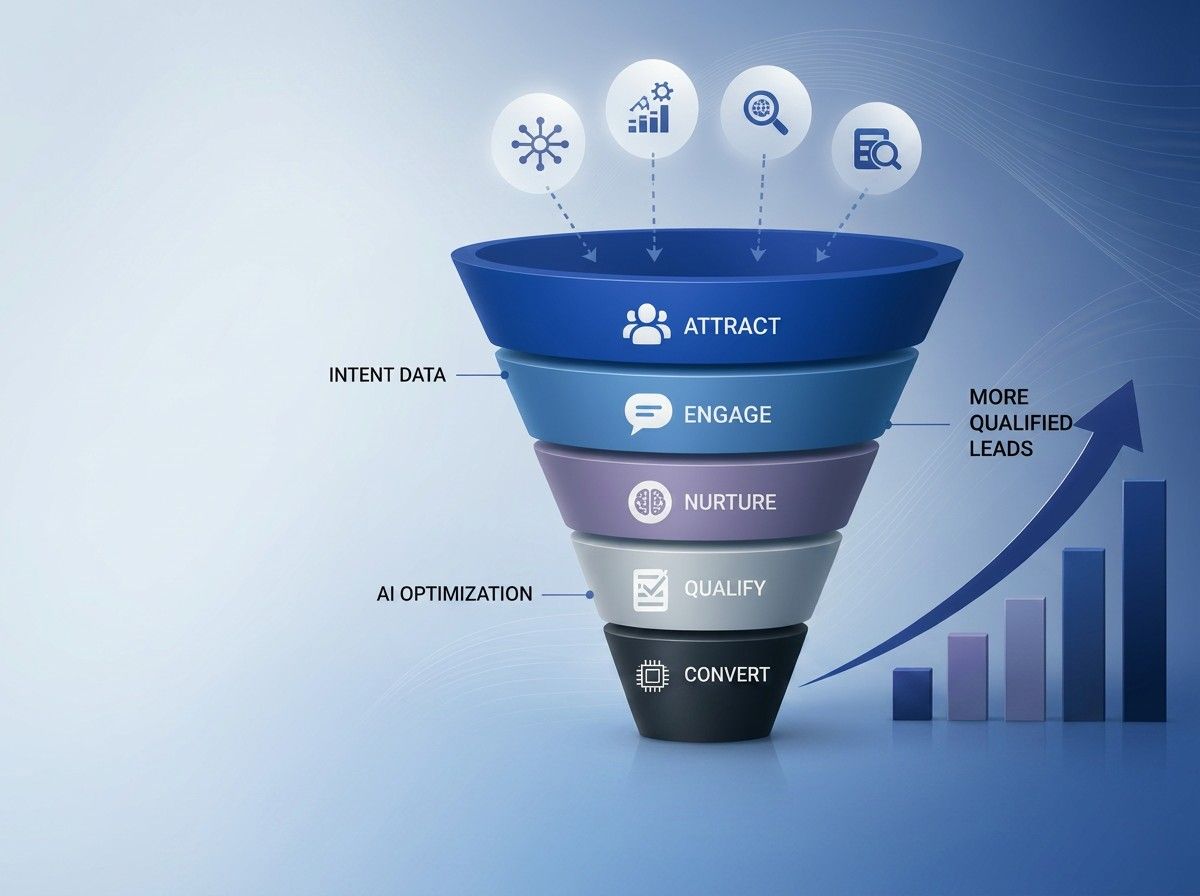
Demand generation focuses on raising awareness of a technology, solution, or vendor across an addressable market. Tactics include thought leadership, analyst relations, SEO content on technical topics, webinars for broad audiences, and industry research that educates buyers about problems and possible approaches. Lead generation narrows the focus toward conversion: gated content, demo requests, contact forms, and events designed to capture identifiable prospects for follow-up by sales or automated workflows.
How demand generation supports IT buying journeys
Technology purchases often involve multiple stakeholders (developers, architects, procurement, security, and executives) and longer evaluation cycles. Demand generation maps to the top and middle of the funnel: creating content that addresses pain points such as architecture patterns, scalability, compliance, or integration. Typical channels include technical blogs, SEO for long-tail queries, community forums, podcasts, virtual conferences, and partnerships with analyst firms or industry associations.
Channels and tactics for lead generation in IT
Lead generation converts interested audiences into labeled prospects. Common tactics in IT environments include gated whitepapers on performance benchmarks, webinar sign-ups that request role and company details, trials or freemium sign-ups, account-based marketing (ABM) outreach to specific enterprise targets, and integration with customer relationship management (CRM) and marketing automation platforms for lead scoring and routing.
Content strategy and technical credibility
Content should be tailored to buyer personas and technical sophistication. Developer-focused materials (code samples, API docs, SDK tutorials) perform differently from executive briefs (TCO, vendor comparison). Technical credibility is a core trust signal in IT: reproducible benchmarks, third-party validation, and links to standards or regulator guidance increase confidence among technical buyers.
Measurement, attribution, and key metrics
Demand generation metrics emphasize reach and engagement: organic traffic, search rankings for technical queries, content downloads, webinar attendance, and social visibility in developer communities. Lead generation metrics focus on conversions: marketing-qualified leads (MQLs), sales-qualified leads (SQLs), demo requests, trial-to-paid conversion, and pipeline influenced. Attribution models (first-touch, multi-touch, time decay) help relate campaigns to revenue, but IT organizations should define consistent rules for lead lifecycle stages and scoring thresholds.
Data privacy, compliance, and responsible outreach
Collecting and processing prospect data requires adherence to regional laws and advertising standards. Email and direct marketing must comply with applicable statutes and regulator guidance; for example, the U.S. Federal Trade Commission provides resources on email marketing rules and the CAN-SPAM Act. Ensure consent practices, opt-outs, data retention policies, and vendor contracts align with legal and corporate privacy requirements.
When operating across regions, teams should consult local privacy regulators and data protection authorities for GDPR-like frameworks and maintain records of processing activities. Security of collected data is a concurrent concern for IT marketers, who often coordinate with information security to protect PII and avoid exposing customer details in reporting or analytics.
Compliance reference: FTC guidance on email marketing and the CAN-SPAM Act.
Aligning sales and marketing workflows
Integration between marketing automation, CRM systems, and sales processes ensures that leads generated through campaigns are scored, routed, and acted upon. Clear definitions of MQL and SQL, agreed Service Level Agreements (SLAs) for lead response, and regular reviews of conversion rates help close the feedback loop. In enterprise IT, ABM often complements broader demand initiatives by concentrating personalized efforts on target accounts identified through firmographic and technographic signals.
Implementation checklist for IT teams
- Define target personas and map content to technical buyer stages.
- Create editorial plans combining deep technical content and decision-focused assets.
- Choose channels by audience: developer communities, analyst briefings, enterprise events, and paid search for product queries.
- Implement lead capture and scoring with CRM and marketing automation integration.
- Set metrics and attribution rules to measure funnel performance and business impact.
- Establish privacy and security controls for data collection and outreach.
- Schedule regular sales-marketing alignment meetings to refine targeting and follow-up.
Common pitfalls and how to avoid them
Common challenges include confusing awareness content with lead capture tactics, under-indexing technical topics for search, over-relying on single channels, and poor lead handoff processes. Mitigation approaches include maintaining separate KPIs for demand and lead efforts, investing in SEO for technical queries, diversifying channels, and automating lead routing with transparent SLAs.
Choosing technology and partners
Marketing decisions in IT should favor platforms that integrate cleanly with engineering workflows and data sources. Consider requirements for privacy compliance, data residency, analytics, and connectors to CRM, billing, and customer support systems. When vendors are evaluated, seek documented security practices and data processing details that meet organizational policies.
What is demand generation and lead generation in information technology?
Demand generation and lead generation in information technology are complementary disciplines: demand generation builds market awareness and interest at scale, while lead generation captures identifiable prospects for direct engagement and conversion. Together they support the technology buying lifecycle.
How does account-based marketing (ABM) fit into IT lead generation?
ABM focuses marketing and sales resources on target accounts with personalized campaigns. In IT, ABM is often used alongside broader demand initiatives to accelerate deals at high-value enterprise targets by combining technographic data with tailored content and outreach.
Which metrics best evaluate IT demand and lead programs?
Measure demand with organic traffic, search rankings, content engagement, and webinar reach. Measure lead performance with MQLs, SQLs, trial conversions, pipeline generated, and conversion rates across funnel stages. Use consistent attribution rules to relate activity to sales outcomes.
How should IT teams handle privacy and consent when collecting leads?
Adopt clear consent mechanisms, maintain opt-out options, document processing activities, and follow regional data protection laws and regulator guidance. Coordinate with legal and security teams to ensure contracts and storage practices meet compliance standards.
Can technical content be repurposed for both demand and lead generation?
Yes. High-value technical content can be used to attract audiences broadly (demand) and then repackaged into gated formats, demos, or personalized outreach for lead capture. Match the content format and call-to-action to the intended funnel stage.