How Dental Practice in Grantham Evolved: Tradition, Technology & Patient Care
-

- February 23rd, 2026
- 1,622 views

👉 Best IPTV Services 2026 – 10,000+ Channels, 4K Quality – Start Free Trial Now
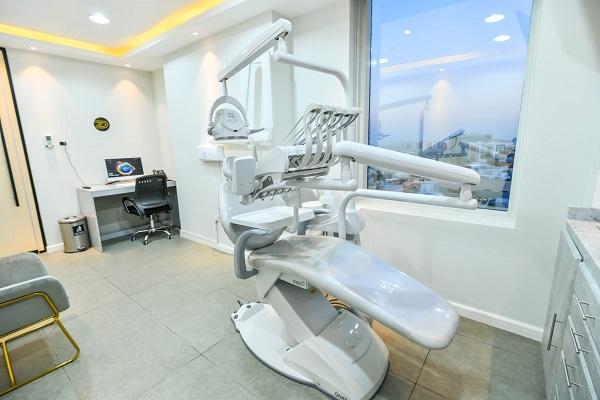
The dental practice in Grantham has moved from small, community-rooted surgeries to clinics that use digital radiography, CAD/CAM restorations and enhanced infection-control standards. This evolution mirrors changes in clinical techniques, professional regulation, and patient expectations across the UK.
- Grantham's dental services evolved from traditional chairside care to incorporate digital imaging and computer-aided design.
- Regulatory frameworks and workforce training have shaped service delivery and patient safety.
- Access, preventive care and telehealth are influencing the next phase of dental practice.
Dental practice in Grantham: Historical development
Local dentistry in Grantham began in modest premises where general practitioners handled a wide range of treatments. For much of the 19th and early 20th centuries, dental care commonly relied on manual instruments, dental amalgam, and techniques passed down through apprenticeships or early dental schools. Public health measures and the establishment of more formal dental education in the UK gradually professionalised practice, introducing clinical standards and record-keeping that form the foundation of modern services.
Early clinics and community role
Small practices often served multiple roles in their communities, from extractions and restorations to emergency care. Patient expectations were different: many visits were reactive, focusing on pain relief rather than long-term preventive strategies. Local dentists frequently balanced private work with community and charitable efforts.
Mid-20th century shifts
The expansion of organised health services in Britain, including NHS-provided dental care, changed how services were funded and delivered. Newer materials and anaesthetic techniques made treatments less invasive. Training moved toward university-based dental schools, and specialisation began to grow, allowing patients in towns like Grantham access to a wider range of services.
Modern technology and clinical techniques
Digital imaging and diagnostics
Digital radiography and intraoral scanners have become common in many clinics, reducing radiation exposure and improving diagnostic clarity. These technologies make treatment planning more precise and allow images to be shared more easily with specialists when referral is needed.
CAD/CAM and restorative advances
Computer-aided design and manufacturing (CAD/CAM) systems enable same-day restorations in some practices, shortening treatment timelines. Improved materials for crowns, bridges and fillings have enhanced durability and aesthetics. Such technologies have been adopted at different rates depending on practice size and investment capacity.
Preventive care and patient education
Contemporary care places greater emphasis on prevention: fluorides, fissure sealants, and tailored oral-health education are integral to reducing disease burden. Practices increasingly integrate risk assessment and personalised care plans into routine appointments.
Workforce, regulation and training
Professional standards and oversight
Registration, continuing professional development and fitness-to-practise procedures are overseen by national regulators, ensuring consistent standards of care. Guidance from regulatory bodies has influenced record-keeping, clinical governance and infection control protocols that are in place across Grantham clinics today. For more information on professional standards and regulation, see the General Dental Council's guidance: General Dental Council.
Education and specialisation
Dental education has shifted toward university-led programmes with structured postgraduate training pathways. This has increased access to specialists—such as orthodontists and endodontists—either locally or via referral networks, improving treatment options available to patients in the area.
Patient experience and access
Access to care
Access remains shaped by funding models, practice capacity and local demand. NHS and private options coexist, influencing appointment availability, waiting times and the range of services offered. Outreach programs and school-based initiatives have aimed to improve preventive care for children and vulnerable groups.
Communication and expectations
Patient expectations now often include clearer treatment planning, cost transparency and shared decision-making. Digital tools—such as online appointment booking and electronic reminders—have streamlined administrative aspects of care and improved communication.
Future trends affecting local practice
Emerging trends include wider use of teledentistry for triage and follow-up, greater integration of digital workflows, and a stronger focus on preventive public health strategies. Workforce diversification, including expanded roles for dental hygienists and therapists, can increase capacity for routine care. Environmental concerns and new infection-control standards are also shaping equipment choices and clinic design.
Implications for residents and planners
For residents, the practical effect of this evolution is broader choice and, in many cases, improved diagnostic and restorative options. For planners and commissioners, sustaining access while integrating new technologies and adhering to regulatory standards is a continuing challenge that requires investment in training and infrastructure.
Frequently asked questions
How has dental practice in Grantham changed over time?
Care in Grantham has shifted from reactive, extraction-focused work in small local surgeries to a mix of preventive, restorative and technologically supported treatments. Changes in regulation, education and available materials have driven these developments.
Are modern diagnostic tools widely available in local clinics?
Availability varies by practice. Larger clinics and those with private services are more likely to have intraoral scanners and digital radiography, while smaller practices may offer standard diagnostic services and refer complex cases to specialists.
What does regulation mean for patients?
Regulation ensures practitioners are registered, meet professional standards and participate in continuing professional development. This framework is intended to protect patient safety and maintain consistent quality of care.
How are access and cost managed for residents?
Access and cost depend on whether care is sought through NHS-funded services or private practices. NHS services follow national eligibility and charging rules, while private clinics set their own fees. Local health authorities and commissioners monitor service provision to address gaps.
What trends are likely to shape the next decade?
Teledentistry, expanded preventive programs, digital workflows and shifting workforce roles are expected to influence how services are delivered. Planning that balances access, training and investment will shape local outcomes.