Dental Veneers in Dubai: A Practical Guide to Types, Process, and Aftercare
-
- Published Updated
- 1,467 views
Dental veneers in Dubai: what to expect
Dental veneers in Dubai are a common cosmetic dentistry option for improving the appearance of teeth affected by staining, chips, gaps, or minor misalignment. This guide explains types of veneers, the typical clinical process, regulatory considerations, maintenance recommendations, and questions to ask when selecting a provider in the United Arab Emirates.
- Two main veneer types: porcelain (lab-fabricated) and composite (direct-bonded).
- Treatment involves consultation, preparation, fabrication or bonding, and follow-up care.
- Longevity depends on material, oral hygiene, and clinical technique; porcelain typically lasts longer than composite.
- Dubai clinics are regulated by local health authorities; verify licensing and lab accreditation.
Overview: types of veneers and common uses
Porcelain veneers
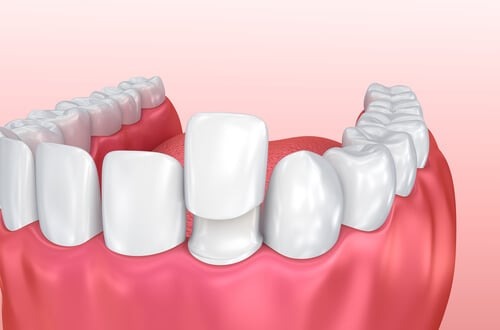
Porcelain veneers are thin shells fabricated by dental laboratories and bonded to the front surface of teeth. They are valued for stain resistance, translucency that mimics natural enamel, and longer service life compared with direct composite. Porcelain often requires minimal tooth preparation but may involve removal of a small amount of enamel.
Composite veneers
Composite veneers are applied directly to the tooth in a single visit using resin materials that are sculpted and cured. They are typically less expensive and allow for easier repairs, but may stain or chip more readily than porcelain and may require more frequent maintenance.
Choosing a provider in Dubai
Licensing, accreditation, and lab quality
Clinics in Dubai should be licensed by the Dubai Health Authority or the relevant emirate regulator; laboratory-fabricated veneers should come from accredited dental laboratories. Patients are advised to confirm practitioner registration and clinic accreditation and to request details about the dental laboratory responsible for any custom restorations. Official regulatory guidance can be found through the Dubai Health Authority: Dubai Health Authority.
Experience and technology
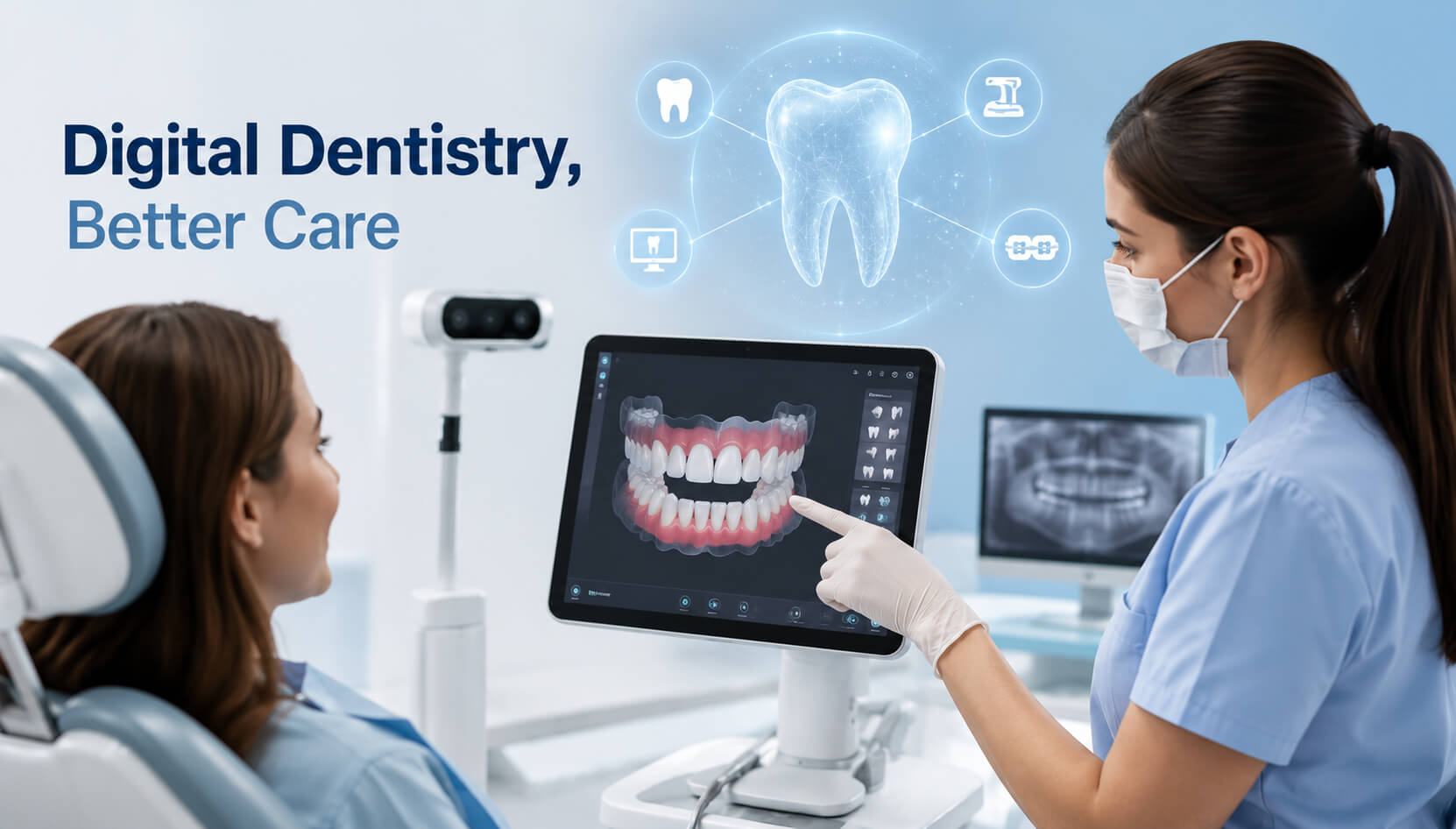
Look for clinicians with documented experience in cosmetic restorative procedures and use of modern technologies such as digital smile design, intraoral scanning, and high-quality bonding systems. Professional organizations such as the American Dental Association (ADA) provide clinical resources about veneer materials and bonding protocols that often inform international best practices.
The clinical process: step-by-step
Initial consultation and assessment
An initial consultation typically includes a dental examination, imaging (X-rays or intraoral scans), shade selection, and discussion of aesthetic goals. A treatment plan should outline material options, expected tooth preparation, estimated timeline, and follow-up care.
Tooth preparation and impressions
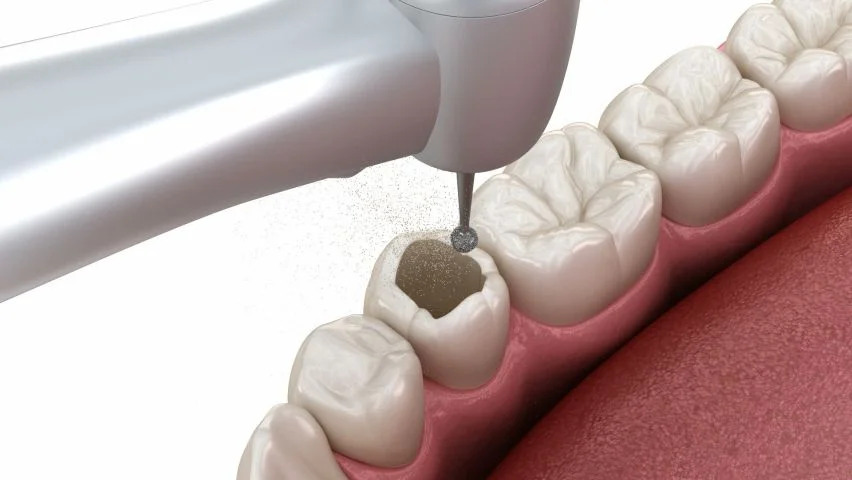
For porcelain veneers, gentle enamel reduction may be performed to create space for the veneer. Impressions or digital scans are sent to a lab for fabrication. For composite veneers, the clinician usually builds the restoration directly on the tooth surface with minimal or no reduction.
Fitting, bonding, and adjustments
Once fabricated, porcelain veneers are trial-fitted, adjusted for occlusion and aesthetics, then permanently bonded using adhesive systems. Composite veneers are shaped and cured in the mouth. Final polishing and bite checks complete the procedure.
Aftercare, durability, and common risks
Maintenance and oral hygiene
Routine oral hygiene—brushing with a non-abrasive toothpaste, daily interdental cleaning, and regular dental check-ups—supports veneer longevity. Avoiding hard impacts and harmful habits such as biting non-food items reduces fracture risk.
Expected lifespan and repairs
Porcelain veneers commonly last 10–15 years or longer with good care; composite veneers typically last 5–7 years before needing repair or replacement. Lifespan varies with material, clinical technique, bite forces, and oral hygiene. Repairs are possible for minor chipping or staining, and replacement may be required for more extensive damage.
Potential complications
Complications can include sensitivity after preparation, debonding, color mismatch, or margin issues. In some cases tooth decay under a veneer can occur if oral hygiene lapses. A detailed consent process should explain risks and alternatives.
Cost factors and financing considerations
What affects cost
Costs vary by material (porcelain vs composite), number of veneers, clinician expertise, lab fees, and geographic location within the UAE. Pre-existing dental work or preparatory treatments (such as gum contouring or restorations) may increase overall cost. Insurance coverage is variable and often limited for cosmetic procedures.
How to compare estimates
Obtain itemized quotes that separate clinic fees, laboratory charges, and follow-up visits. Confirm what is included in the estimate—provisional veneers, adjustments, and any warranties or maintenance plans.
Questions to ask before treatment
Common screening questions
- What are the clinical credentials and experience of the treating clinician?
- Will the veneers be lab-fabricated or directly bonded in the clinic?
- Can the clinician provide before-and-after photos and patient references?
- What are the expected lifespan and maintenance requirements for the chosen material?
FAQ
How long do dental veneers in Dubai typically last?
Longevity depends on material and care: porcelain veneers often last 10–15 years or more, while composite veneers generally last 5–7 years. Regular dental visits and good oral hygiene can extend service life.
Are dental veneers reversible?
Porcelain veneers usually require some enamel removal, which makes the treatment effectively irreversible. Composite veneers can sometimes be removed or modified with less permanent alteration, but both should be considered long-term restorations.
Will veneers change how teeth feel or function?
Veneers are designed to preserve normal function and bite. Temporary sensitivity or awareness of thickness can occur initially; most patients adapt within a short period. Proper occlusal adjustment reduces functional issues.
How to verify a clinic's credentials?
Confirm registration with local health authorities, ask for clinician licensing details, and request information about the dental laboratory used for porcelain restorations. Regulatory bodies such as the Dubai Health Authority maintain public information on licensed facilities and practitioners.