Dermal Fillers Surge in Islamabad: Trends, Safety, and What to Know
-
- February 23rd, 2026
- 1,637 views
The popularity of dermal fillers in Islamabad has grown rapidly as non-surgical facial rejuvenation and augmentation become more widely accessible. This article explains common filler types, indications, what to expect during a treatment, safety and regulatory considerations, typical costs, and practical tips for choosing a qualified practitioner.
- Dermal fillers are minimally invasive injectables used for volume restoration, wrinkle softening, and facial contouring.
- Hyaluronic acid fillers are the most common; other types include calcium hydroxylapatite and poly-L-lactic acid.
- Selecting a licensed, experienced practitioner and understanding risks and aftercare are essential.
- Regulation and training vary by jurisdiction; verify credentials with local medical authorities.
Dermal Fillers in Islamabad: Trends, Safety, and What to Know
What are dermal fillers and why they are popular
Dermal fillers are injectable materials placed beneath the skin to replace lost volume, smooth lines, augment lips and cheeks, or refine facial contours. Non-surgical treatments often require little downtime and can produce immediate results, which contributes to rising demand in urban centers such as Islamabad. Common motivations include age-related volume loss, lip enhancement, and enhancement of the jawline or cheekbones.
Common types of dermal fillers
- Hyaluronic acid (HA): Biocompatible, reversible with hyaluronidase, widely used for lips, nasolabial folds, and cheek augmentation.
- Calcium hydroxylapatite (CaHA): Thicker, used for deeper volume restoration and contouring.
- Poly-L-lactic acid (PLLA): Stimulates collagen production over time; often used for gradual volume restoration.
- Polymethylmethacrylate (PMMA): Semi-permanent, used less frequently due to higher risk of long-term complications.
Procedure, recovery and expected results
Consultation and planning
A thorough consultation should review medical history, allergies, prior procedures, and realistic goals. Photography and facial assessment guide product choice, injection depth, and treatment plan. Discussing risks, alternatives, expected longevity, and cost is part of informed consent.
During treatment
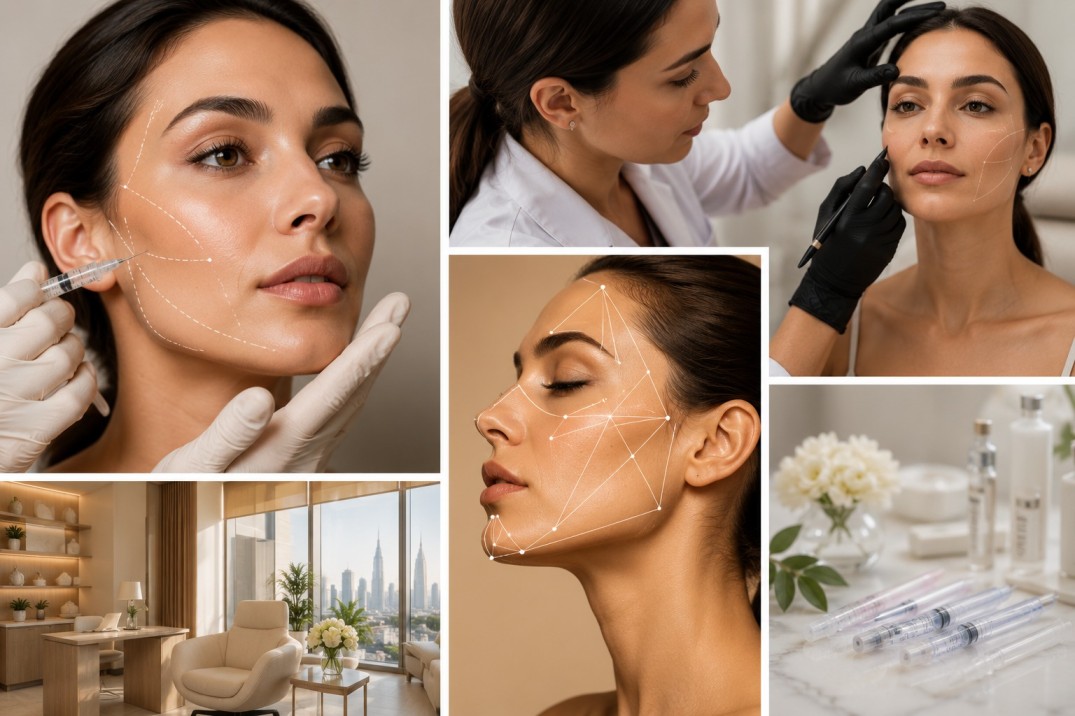
Treatments are typically performed in a clinic setting. Topical anesthetic or local infiltration may be used. Injectors follow sterile technique and use specific injection planes depending on filler type and target area. Sessions can take from 15 minutes to an hour depending on complexity.
Aftercare and longevity
Mild swelling, bruising, and tenderness are common immediately after treatment and usually resolve within several days. HA fillers typically last 6–18 months depending on product and area treated; other fillers may last longer. Follow-up appointments allow assessment and touch-ups. Avoiding certain medications or supplements that increase bleeding risk may help reduce bruising—discuss with the practitioner beforehand.
Safety, risks and regulation
Potential complications
Common complications include bruising, swelling, lumps, and asymmetry. Less common but serious risks include infection, vascular occlusion (which can threaten tissue perfusion), and delayed inflammatory reactions. Availability of reversal agents (for HA fillers) and prompt management are important safety aspects.
Regulation and training
Regulation of cosmetic procedures varies by country. In Pakistan, medical licensing and professional standards are overseen by national authorities; verification of a clinician's registration status and training is recommended prior to treatment. For local credential checks consult the national medical regulator. For international guidance on safety and standards, professional bodies and peer-reviewed literature outline best practices for training, informed consent, and complication management.
For information on licensing and medical practice standards in Pakistan, check the official regulator: Pakistan Medical Commission.
Choosing a provider in Islamabad
Credentials and experience
Seek licensed medical professionals—dermatologists, plastic surgeons, or physicians with documented training in aesthetic injection techniques. Experience, before-and-after photos, complication management protocols, and clear communication about realistic outcomes are important selection criteria. Clinics should maintain clean, clinical environments and follow infection-control practices.
Questions to ask before treatment
- What is the clinician’s qualification and experience with this specific filler?
- Which filler product will be used and why is it suited to the goal?
- Are potential complications explained, and is there a written aftercare plan?
- Is hyaluronidase (for HA filler reversal) available on-site if needed?
Costs and accessibility
Costs vary by clinic, practitioner experience, and product used. Price estimates should include product cost, practitioner fee, and any follow-up visits. Comparing quotes is reasonable, but decisions should prioritize safety and qualifications over lowest price. Financing or staged treatments are sometimes offered for more extensive plans.
Legal and ethical considerations
Advertising and provision of cosmetic treatments are subject to local regulations. Informed consent, accurate advertising, and age restrictions apply in many jurisdictions. Clinics should document decisions and provide clear consent forms outlining risks, benefits, and alternatives.
Frequently asked questions
Are dermal fillers in Islamabad safe?
When performed by qualified, licensed professionals following established protocols, dermal fillers are generally safe. Risks exist, so verifying credentials, discussing medical history, and ensuring availability of appropriate emergency management are essential. Immediate medical attention is recommended if signs of severe pain, skin blanching, vision changes, or signs of infection occur.
How long do dermal filler results typically last?
Duration varies by filler type and treatment area. Hyaluronic acid fillers often last 6–18 months, while calcium hydroxylapatite and poly-L-lactic acid can last longer. Individual metabolism and lifestyle factors influence longevity.
Can fillers be removed or reversed?
Hyaluronic acid fillers can be dissolved with the enzyme hyaluronidase if necessary. Other filler types may be more difficult to remove and can require different management strategies. Discuss reversal options during the consultation.
Is a surgical option preferable to fillers?
Choice between surgical procedures and injectable fillers depends on goals, degree of change desired, and tolerance for downtime and cost. Consultations with appropriate specialists can help determine the most suitable option for individual needs.
Where to find reliable information and professional standards?
Professional medical regulators, specialty societies, and peer-reviewed journals provide guidance on training, safety, and standards of care. Verify practitioner registration with national medical authorities and ask clinics for documentation of training and accreditation when evaluating options.