Diet Tracker for Cholesterol: A Practical Guide to Heart-Healthy Food Tracking
-

- Published Updated
- 389 views

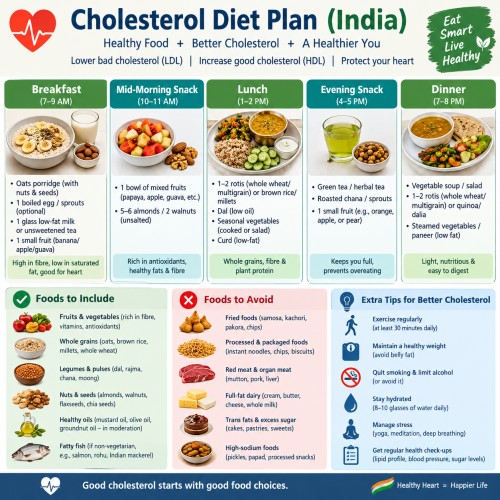
A diet tracker for cholesterol can turn dietary choices into measurable actions that improve LDL, HDL, and overall heart risk. Use a focused tracking approach to log nutrients that move the needle—saturated fat, soluble fiber, plant sterols, and overall calorie balance—so dietary changes align with clinical goals.
Use the HEART tracking framework to track relevant nutrients, set targets based on clinical goals, and review trends weekly. Track saturated fat, soluble fiber, sodium, vegetable and whole-grain servings, and added sugars. Combine food logging with periodic lipid measurements and follow guidance from cardiology or primary care.
How to use a diet tracker for cholesterol
Start by deciding which metrics matter most for the specific goal: lower LDL, raise HDL, or improve overall cardiovascular risk. Configure the diet tracker for cholesterol-focused targets—daily saturated fat grams, soluble fiber grams, total calories, and servings of vegetables, fruits, and whole grains. Log food consistently and review 7–14 day averages rather than single-day swings.
HEART tracking framework: a named checklist
Apply the HEART tracking framework to structure entries and decisions. The framework is a concise checklist that maps to actionable tracking fields:
- H — High-impact nutrients: track saturated fat, trans fat, and cholesterol.
- E — Essentials: calories, sodium, and total and added sugars.
- A — Added benefits: soluble fiber and plant sterols (mg or grams where available).
- R — Records: meal timing, portion sizes, and source (home-cooked vs. restaurant).
- T — Trends: weekly averages, percent calories from fat, and LDL-related markers if available from lab results.
What to track (fields and targets)
Important fields to add to a diet tracker for cholesterol include:
- Saturated fat (g/day) — aim to keep below recommended limits set by clinicians or guidelines.
- Soluble fiber (g/day) — target at least 5–10 g/day from oats, beans, and fruits to help lower LDL.
- Total calories and weight trend — weight loss of 5–10% can improve lipid profiles.
- Sodium (mg/day) and added sugars — reduce for overall cardiovascular risk.
- Servings of vegetables, fruits, nuts, and whole grains — Mediterranean-style patterns correlate with improved lipids.
Short real-world scenario
Scenario: A 55-year-old with elevated LDL sets up a diet tracker for cholesterol with fields for saturated fat, soluble fiber, calories, and weekly weight. After logging meals for six weeks, daily saturated fat fell from 30 g to 12 g and soluble fiber increased to 8 g. The 8-week follow-up lipid panel showed a measurable LDL reduction, supporting continued adoption of tracked habits.
Practical tips for consistent tracking
- Log immediately after eating or use quick-tags (e.g., 'oatmeal+fruit') to avoid forgotten entries.
- Use standardized portion sizes: cups, grams, or brand labels to improve accuracy.
- Review weekly trends, not daily spikes—set the tracker to show 7- and 14-day averages.
- Customize nutrient fields: add soluble fiber and plant sterols if the app supports custom nutrients.
- Share trend reports with clinicians before lipid checks to align diet changes with medical treatment.
Common mistakes and trade-offs
Tracking can create false confidence if only calorie counts are monitored. Common mistakes include:
- Focusing on calories while ignoring saturated fat and soluble fiber—this may not improve LDL.
- Over-reliance on packaged-food labels without checking for hidden trans fats or added sugars.
- Expecting immediate lab changes—lipid responses often require 6–12 weeks of sustained change.
Trade-offs: detailed nutrient tracking gives more clinical insight but requires more time. Simpler food-group tracking (vegetables, whole grains, nuts) is easier and still captures many benefits, especially when paired with weight and blood-pressure monitoring.
Using apps and manual trackers: pros and cons
Apps and digital food logs speed entry and calculate nutrients automatically but vary in database accuracy; cross-check entries for specialized items like plant sterol-enriched foods. Manual logs (paper or spreadsheet) require effort to calculate nutrients but increase awareness and can be tailored to heart-healthy food tracking goals.
Reference guidance
Clinical targets and lifestyle recommendations align with major heart-health organizations. For practical guidelines on dietary patterns and cholesterol management, review expert resources such as the American Heart Association: https://www.heart.org/en/health-topics/cholesterol.
Measuring success and when to adjust
Success metrics include sustained reductions in average daily saturated fat, increases in soluble fiber, modest weight loss if indicated, and, ultimately, improved lipid panels ordered by a clinician. If dietary adjustments do not achieve lipid goals in the expected timeframe, address medication, genetics, or other medical factors with the care team.
Practical checklist for a 2-week start
- Set up fields: saturated fat, soluble fiber, calories, sodium, fruits/veg servings.
- Enter typical meals for 7 days to establish a baseline.
- Apply the HEART framework to select two immediate changes (e.g., swap butter for olive oil; add daily oats).
- Review 7-day averages and adjust meal choices for the next week.
FAQ
What should a diet tracker for cholesterol include?
Include saturated fat, trans fat, soluble fiber, total calories, sodium, servings of vegetables and whole grains, and a weight field. Track weekly averages and log restaurant meals with attention to portion sizes.
How often should nutrient trends be reviewed?
Review trends weekly and compare 4–8 week blocks before expecting meaningful changes in lab values. Use 7- and 14-day averages for habit assessment.
Can a diet tracker replace medical treatment?
No. Diet tracking supports lifestyle changes that often reduce cardiovascular risk but should be used alongside medical advice and lipid testing. Medication decisions require clinician evaluation.
How to log foods with unknown nutrient details?
Estimate using similar items from the tracker database, weigh portions when possible, and prioritize logging major contributors like oils, butter, and processed foods that drive saturated fat intake.
How to choose a diet tracker for cholesterol management?
Choose a tracker that allows custom nutrient fields (soluble fiber, saturated fat) and shows averages over time. Prefer tools that export reports for clinicians and allow manual editing for accuracy.