Digital Growth Blueprint for Small Businesses
-

- February 23rd, 2026
- 1,439 views

Get a free topical map and start building content authority today.
Small organizations can reach larger audiences with targeted digital marketing for small business that focuses on measurable goals and sustainable growth. This guide explains practical channels, tactics, and planning steps to help a small business build an online presence, attract customers, and evaluate results without unnecessary complexity.
- Start by clarifying target customers, value proposition, and measurable objectives.
- Prioritize a mobile-friendly website, basic search engine optimization (SEO), and local listings.
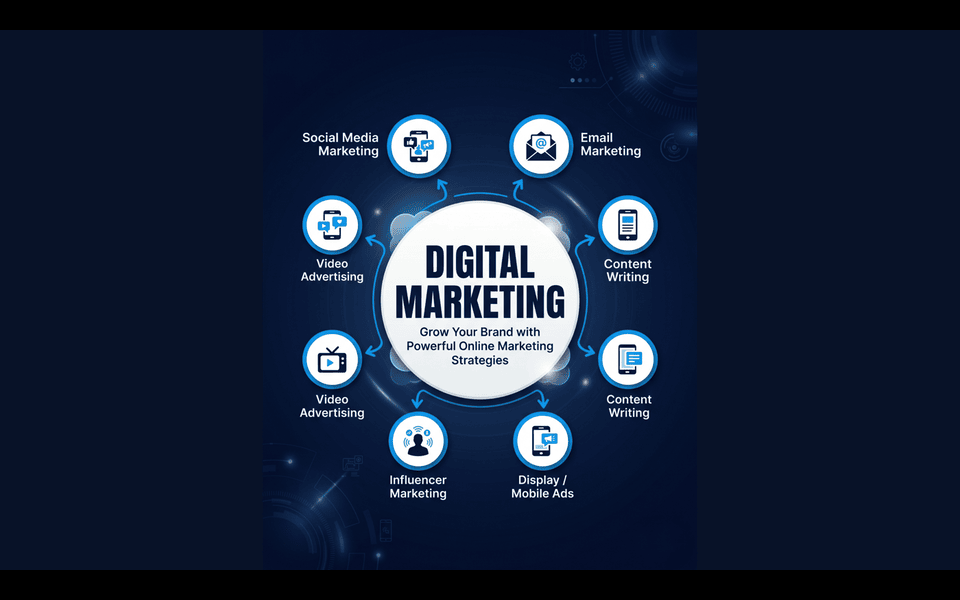
- Use content, email, social media, and low-cost paid advertising to generate and nurture leads.
- Measure performance with analytics and adapt based on customer behaviour and cost per result.
- Follow local regulations and consumer protection rules when marketing online.
digital marketing for small business: core channels and first steps
Clarify the target audience and goals
Define the specific customer segments to serve and set measurable objectives such as website visits, leads, phone calls, or in-store visits. Clear goals guide which digital channels to prioritize and make it possible to track return on investment (ROI).
Build a simple, mobile-friendly website
A fast, accessible website is central to most digital efforts. Include clear contact details, product or service pages, and calls to action. Use descriptive page titles and meta descriptions so search engines and potential customers understand the site content.
Basic SEO and content foundations
Invest in basic search engine optimization: keyword research, clear page structure (headings and concise copy), optimized images, and internal linking. Regularly publish useful content—how-tos, FAQ pages, product details—to answer common customer questions. Content helps organic visibility and provides material to share on social channels and in email campaigns.
Local visibility, listings, and reputation
Local search and directory listings
For businesses with physical locations or local service areas, maintain consistent business name, address, and phone number (NAP) across directories and listings. Encourage and manage customer reviews, and keep opening hours up to date. Local search optimization helps appear in map-based queries and nearby searches.
Manage online reputation
Respond to reviews professionally and use feedback to improve products or service processes. Transparency and timely responses can improve customer trust and local search rankings.
Content, social media, and email — building relationships
Content marketing
Create content that addresses customer problems, compares options, or demonstrates use cases. Formats can include blog posts, short videos, downloadable checklists, and product galleries. Prioritize formats that align with customer preferences and the business’s capacity to produce them consistently.
Social media and community engagement
Choose one or two social platforms where target customers spend time. Use social channels for announcements, behind-the-scenes content, and short educational posts. Social media supports brand awareness and can drive users to the website or online listings.
Email marketing and lead nurturing
Collect email addresses with explicit consent and send relevant, targeted messages: welcome series, product updates, and occasional promotions. Email generally provides strong return on modest budgets when messages are well segmented and useful.
Paid advertising and budget allocation
Low-cost paid options
Paid search and social ads can accelerate results for specific campaigns like product launches or seasonal offers. Start with modest budgets, target narrowly, and test creative variations. Track cost per lead or sale to determine effectiveness.
Budgeting and prioritization
Allocate budget based on objectives: a larger share for awareness if starting from scratch, or more for conversion-focused ads when traffic exists. Reallocate funds to channels delivering the best measurable outcomes.
Measurement, privacy, and legal considerations
Analytics and key performance indicators
Use website analytics to monitor traffic sources, user behaviour, and conversion funnels. Key indicators include organic search traffic, click-through rates, conversion rates, and cost per acquisition. Regular reporting helps identify what to scale or stop.
Privacy, data protection, and compliance
Respect privacy regulations and advertising rules that apply in the business’s market. Maintain clear privacy notices, obtain consent for marketing messages, and follow advertising standards for claims about products or pricing. Official bodies such as the U.S. Small Business Administration provide guidance on regulatory basics for entrepreneurs: U.S. Small Business Administration.
Scaling and long-term planning
Iterate based on evidence
Use A/B testing to optimize landing pages, email subject lines, and ad creative. When a channel shows reliable returns, consider investing more resources and automating repetitive tasks like scheduling social posts or email sequences.
Capacity and staffing
Balance in-house work and external support based on core competencies and budget. Small teams often focus on strategy and oversight while outsourcing technical tasks such as advanced analytics, SEO audits, or paid media setup.
Measure success over appropriate timeframes
Some channels deliver immediate results; others build value slowly through brand awareness and organic search. Track short-term metrics and longer-term trends to assess true impact.
Resources and next steps
Getting started checklist
- Define one clear marketing objective for the next 90 days.
- Publish or update a mobile-friendly website page with contact details and core services.
- Claim local listings and ensure NAP consistency.
- Set up basic analytics tracking and a short reporting cadence (weekly or biweekly).
- Choose one content format and one paid tactic to test for 8–12 weeks.
When to seek outside help
Consider external expertise for technical SEO, complex paid ad campaigns, or data privacy compliance when those areas exceed internal capacity. External consultants and agencies can provide audits and phased implementation plans.
Frequently asked questions
What is digital marketing for small business and why does it matter?
Digital marketing for small business refers to the online channels and tactics used to attract, engage, and convert customers. It matters because it enables targeted reach, measurable outcomes, and efficient budget use compared with many traditional methods.
How much should a small business spend on digital marketing?
There is no universal amount. Budgets depend on goals, industry competition, and whether the focus is awareness or direct conversions. Start small, measure cost per result, and scale spending on channels that produce consistent returns.
How long does it take to see results from digital marketing?
Timing varies by channel: paid ads can generate immediate traffic, while SEO and content marketing often require several months to build organic momentum. Consistent measurement over weeks and months provides the best view of progress.
How should a small business measure digital marketing performance?
Measure based on predefined goals: website traffic sources, conversion rates, lead quality, cost per acquisition, and revenue attributable to campaigns. Use analytics tools and simple dashboards to track progress against targets.