How Digital Research Influences B2B Buying Behavior
-

- Published Updated
- 81 views

Business buyers have changed how they discover vendors, evaluate solutions, and make purchasing decisions. Instead of depending entirely on sales representatives, they use search engines, company websites, customer reviews, industry publications, webinars, and professional communities to understand their options. This shift has made B2B Purchasing Trends increasingly important for companies that want to connect with informed buyers and remain competitive in a crowded marketplace.
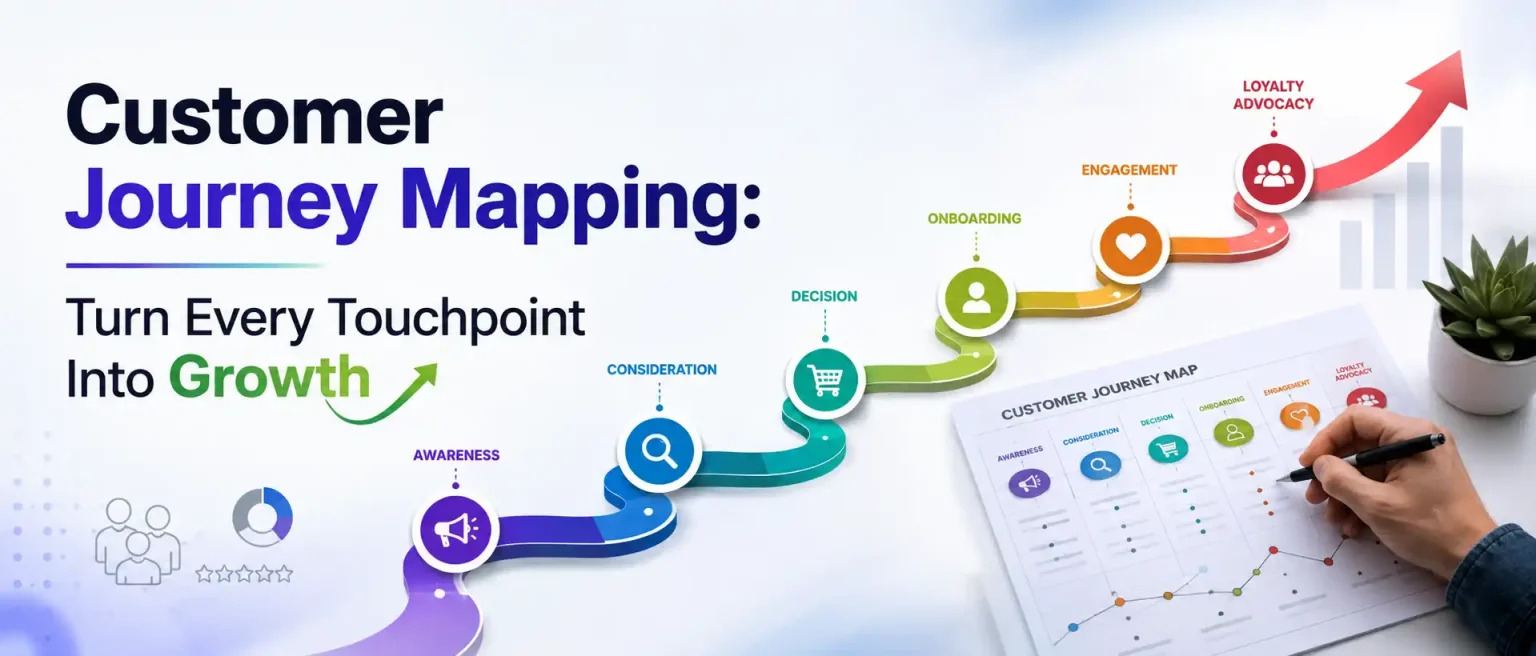
Digital research gives purchasing teams greater control over the buying journey. They can investigate business challenges, compare providers, review product capabilities, and share findings with colleagues before contacting a vendor. For businesses, understanding this behavior is essential to developing relevant content, building credibility, and supporting buyers at every stage of their decision-making process.
How Digital Research Has Changed Business Buying
Traditional B2B purchasing often began with a sales conversation or a referral from an existing business contact. Although these channels remain valuable, digital platforms have expanded the ways buyers discover potential solutions.
A procurement manager looking for a new software provider may begin with a search engine, read several industry articles, compare product pages, and review customer experiences. Other stakeholders may independently investigate security requirements, integration options, pricing models, and implementation timelines.
These activities allow buying teams to build an initial understanding before speaking with sales representatives. One of the defining B2B Purchasing Trends is that buyers can complete a significant portion of their early research independently.
Companies should therefore make essential information accessible online. Clear product descriptions, practical educational resources, transparent service details, and relevant customer examples can help prospects understand whether a solution deserves further consideration.
Search Engines Remain Important for Vendor Discovery
Search engines help buyers identify solutions when they recognize a business problem but have not yet selected a provider. They may search for operational challenges, software categories, service comparisons, or specific product capabilities.
This creates an opportunity for businesses to publish content that addresses the questions buyers ask during their research. Articles explaining common challenges, comparison guides, implementation resources, and industry-specific insights can attract visitors who are actively exploring potential solutions.
B2B Purchasing Trends also highlight the importance of matching content with search intent. Someone searching for an explanation of a business problem needs different information from someone comparing vendors or evaluating pricing.
Companies should organize content around these different needs. Educational articles can introduce a topic, detailed guides can explain possible approaches, and comparison pages can help prospects evaluate available options.
Useful content should prioritize clarity and accuracy rather than simply repeating keywords. Search visibility can attract visitors, but the quality of the information determines whether they find it valuable.
Buyers Compare Multiple Vendors Before Making Contact
Digital research makes it easier to evaluate several providers at the same time. Buyers can review features, service coverage, customer support, integration requirements, and commercial terms without arranging a meeting with every vendor.
This convenience increases the importance of clear differentiation. If several providers make similar claims, purchasing teams may struggle to understand which option best fits their requirements.
Businesses should explain their strengths in practical terms. Instead of describing a platform as innovative or powerful, a vendor can demonstrate how it addresses a specific operational challenge, supports existing workflows, or reduces administrative effort.
These B2B Purchasing Trends also encourage companies to provide honest comparisons. Transparent information about product capabilities, service limitations, onboarding requirements, and pricing assumptions helps buyers assess suitability.
Organizations that communicate clearly can make the evaluation process easier and establish more realistic expectations before discussions begin.
Customer Reviews and Social Proof Influence Decisions
Business buyers rarely evaluate vendor claims in isolation. They often seek evidence from customers, industry experts, professional communities, and independent review platforms.
Reviews can reveal details that product descriptions may not cover, including implementation difficulties, customer support quality, usability, and the time required to achieve results.
Customer case studies provide another useful source of evidence. A well-developed case study explains the original challenge, the approach taken, the implementation process, and the measurable outcome. This helps potential customers understand how a solution might perform in a comparable business environment.
Among the important B2B Purchasing Trends is the need for credible proof rather than unsupported promotional statements. Businesses should collect genuine customer feedback, request permission before publishing customer information, and present results with sufficient context.
They should also respond professionally to criticism. Constructive responses demonstrate accountability and may help prospective buyers understand how the company handles problems.
Educational Content Supports Independent Research
Modern buying teams often prefer to understand a problem before discussing potential solutions with a vendor. Educational content helps them develop that understanding while evaluating different approaches.
Blogs, research reports, webinars, practical checklists, industry analyses, and explanatory videos can support this process. Each format serves a different purpose, depending on the complexity of the subject and the buyer's preferred method of learning.
For example, an introductory article may help a business understand the risks of outdated customer data. A detailed guide can explain data maintenance methods, while a case study can illustrate how improved data quality supports sales operations.
B2B Purchasing Trends suggest that companies should build content around the full research journey rather than focusing exclusively on product promotion.
Content should answer meaningful questions, explain technical concepts in accessible language, and provide practical next steps. When buyers consistently find useful information, they have a stronger reason to consider the organization a credible source.
Digital Research Involves Multiple Stakeholders
B2B purchases frequently involve employees from different departments, each with distinct priorities. A finance leader may examine costs and expected returns, while an IT manager reviews integration and security. Procurement professionals may focus on contractual terms, supplier reliability, and compliance.
Digital research enables these stakeholders to gather information independently and share it with colleagues. This means a vendor's online presence must address more than one type of buyer concern.
Businesses can support this process by creating resources for different decision-makers. Financial summaries can explain costs and potential business value, technical documentation can address implementation requirements, and security materials can help risk teams conduct due diligence.
These B2B Purchasing Trends demonstrate why consistent messaging matters. Information published on a website should align with sales presentations, product documentation, and customer communications.
A coordinated approach makes it easier for buying committees to evaluate the same solution from different perspectives without encountering contradictory claims.
Personalization Makes Research More Relevant
Although digital information is widely available, buyers still need help identifying what matters to their specific circumstances. A large enterprise and a small business may have different budgets, purchasing processes, integration requirements, and expectations from the same product category.
Personalized content can help address these differences. Businesses may organize resources by industry, company size, business challenge, or level of technical knowledge.
For example, a manufacturing company may need information about production efficiency and system integration, while a professional services firm may be more interested in resource planning and client management.
One of the practical B2B Purchasing Trends is using audience insights to make communication more relevant. Website engagement, content preferences, and voluntary form submissions can help businesses understand which subjects interest their audiences.
However, personalization should remain useful and respectful. Companies should avoid making intrusive assumptions or collecting unnecessary personal information. The goal is to improve relevance, not make buyers uncomfortable.
Mobile and Digital Experiences Affect Buyer Confidence
Business research does not always happen at a desk. Buyers may read industry updates on mobile devices, review vendor websites between meetings, or share product information through workplace communication platforms.
A difficult mobile experience can interrupt this process. Slow-loading pages, unreadable text, complicated navigation, and forms that require excessive information can discourage visitors from continuing their research.
Companies should make important content accessible across devices. Navigation should be straightforward, pages should load efficiently, and calls to action should explain what happens next.
B2B Purchasing Trends increasingly place the overall digital experience alongside content quality. Even useful information can lose its impact when buyers struggle to access it.
Organizations should regularly test their websites, review visitor behavior, and identify unnecessary barriers. Small improvements to usability can make research easier and help qualified prospects take the next step.
Measuring the Impact of Digital Research
Businesses need reliable metrics to understand whether their digital content supports purchasing decisions. Website traffic alone does not reveal whether visitors are finding useful information or progressing toward a commercial conversation.
More meaningful measures may include engagement with product pages, downloads of technical resources, attendance at webinars, qualified inquiries, repeat visits from target accounts, and conversion rates between buying stages.
Marketing and sales teams should review these indicators together. For example, high engagement with a comparison guide may suggest strong interest in evaluating options, while repeated visits to implementation documentation may indicate that prospects are examining practical requirements.
These signals should be interpreted carefully. Online activity does not automatically prove purchase intent, and several people from one organization may be researching the same topic for different reasons.
By combining digital engagement data with sales feedback and direct buyer conversations, companies can develop a more balanced understanding of purchasing behavior.
Preparing for the Next Stage of Digital B2B Buying
Digital research will continue to influence how businesses discover and evaluate suppliers. Buyers expect accessible information, credible evidence, relevant communication, and a consistent experience across channels.
Organizations can respond by maintaining accurate product information, publishing educational resources, improving website usability, and addressing the concerns of different stakeholders. They should also monitor changes in buyer behavior rather than relying on outdated assumptions about how purchasing decisions happen.
The strongest approach connects digital research with the broader sales process. Marketing teams can help buyers understand their challenges, sales professionals can clarify specific requirements, and customer success teams can demonstrate how promised value translates into practical results.
By aligning these activities, businesses can create a more useful and trustworthy buying experience. Digital research then becomes more than a source of website visits. It becomes an opportunity to build credibility, support informed decisions, and develop lasting business relationships.