How DISC Leadership Assessment Enhances Team Collaboration
-

- Published Updated
- 5,437 views
In today’s fast-paced business environment, effective teamwork is essential for organizational success. Companies invest significant resources in technology, training, and processes to improve productivity, yet one critical factor often determines whether a team thrives or struggles: understanding people. While skills and experience matter, the ability of team members to communicate, collaborate, and work toward common goals is what truly drives performance. This is where a DISC Leadership Assessment becomes a valuable tool for leaders and organizations seeking stronger team collaboration.
The DISC model is a widely recognized behavioral assessment framework that helps individuals understand their personality traits, communication preferences, and work styles. By providing insights into how people interact with others, the DISC Leadership Assessment enables leaders to build more cohesive teams, reduce misunderstandings, and create a workplace culture built on trust and cooperation.
Understanding the DISC Leadership Assessment
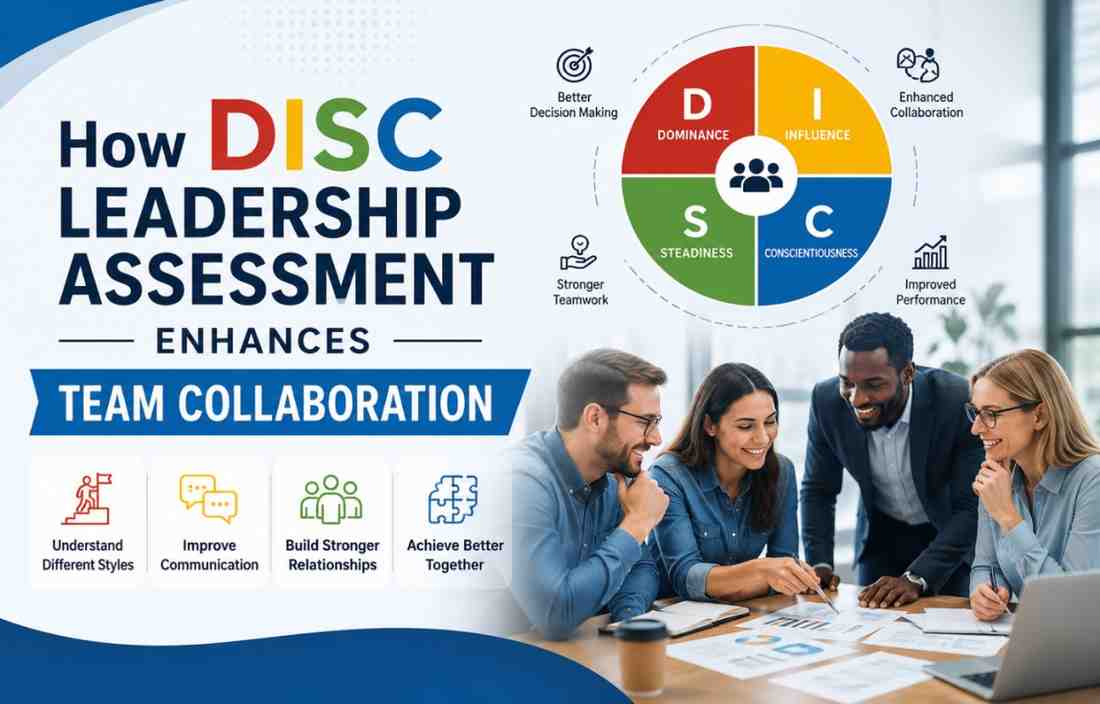
The DISC Leadership Assessment is based on four primary behavioral styles:
● Dominance (D): Results-oriented, decisive, and competitive.
● Influence (I): Enthusiastic, persuasive, and relationship-focused.
● Steadiness (S): Patient, supportive, and dependable.
● Conscientiousness (C): Analytical, detail-oriented, and systematic.
Each individual possesses a unique blend of these traits, influencing how they communicate, solve problems, make decisions, and respond to challenges. The assessment helps leaders identify these tendencies within themselves and their team members, creating opportunities for more effective collaboration.
Improving Communication Across Teams
One of the biggest obstacles to successful teamwork is poor communication. Team members often assume that others think, process information, and communicate in the same way they do. When expectations are not aligned, misunderstandings can arise, leading to frustration and reduced productivity.
A DISC Leadership Assessment helps teams recognize and appreciate different communication styles. For example, a Dominance-oriented employee may prefer concise, direct conversations, while a Steadiness-oriented colleague values a more thoughtful and relationship-focused approach. Understanding these differences allows team members to adapt their communication methods, resulting in clearer interactions and stronger professional relationships.
When employees learn how to communicate effectively with different personality types, collaboration becomes smoother and more productive.
Building Stronger Workplace Relationships
Trust is the foundation of any successful team. Without trust, employees may hesitate to share ideas, seek feedback, or collaborate openly with colleagues. The DISC Leadership Assessment promotes self-awareness and empathy, helping team members understand the motivations and strengths of others.
For instance, an employee with a high Influence style may enjoy brainstorming sessions and social interaction, while a Conscientiousness-oriented teammate may prefer structured discussions backed by data. Rather than viewing these differences as obstacles, team members can recognize them as complementary strengths.
This deeper understanding fosters respect and appreciation among colleagues, strengthening workplace relationships and creating a more supportive team environment.
Enhancing Conflict Resolution
Conflict is inevitable in any workplace. Different personalities, perspectives, and priorities can sometimes lead to disagreements. However, unresolved conflict can negatively impact team morale and performance.
The DISC Leadership Assessment provides leaders with valuable insights into how individuals respond to conflict. Some employees may confront issues directly, while others may avoid confrontation altogether. By understanding these tendencies, leaders can facilitate more productive conversations and address conflicts before they escalate.
For example, a leader who knows that a team member prefers a collaborative approach can tailor conflict resolution strategies accordingly. This personalized approach helps employees feel heard and respected, increasing the likelihood of positive outcomes.
As a result, teams become more resilient and better equipped to handle challenges together.
Leveraging Individual Strengths
Every team member brings unique strengths to the workplace. However, these strengths are not always recognized or utilized effectively. The DISC Leadership Assessment helps leaders identify the natural talents and working styles of their employees.
A Dominance-oriented individual may excel in driving projects forward and making quick decisions. An Influence-oriented employee may be highly effective at motivating others and building client relationships. Steadiness-focused individuals often contribute consistency and team support, while Conscientiousness-oriented employees bring accuracy and attention to detail.
When leaders understand these strengths, they can assign responsibilities more strategically. Team members are more likely to succeed when their roles align with their natural abilities, leading to higher engagement, improved performance, and stronger collaboration.
Encouraging Inclusive Teamwork
Diversity of thought is a major advantage in today's workplace. Teams composed of individuals with different perspectives often generate more innovative solutions and make better decisions. However, diversity can only become a strength when team members value and understand one another.
The DISC Leadership Assessment encourages inclusivity by helping employees appreciate behavioral differences rather than judging them. Team members learn that there is no single "right" way to approach work. Instead, each personality style contributes valuable insights and skills.
This mindset reduces workplace bias, promotes open communication, and encourages participation from all team members. As a result, collaboration becomes more inclusive, allowing teams to benefit from a broader range of ideas and perspectives.
Supporting Leadership Development
Effective leaders understand that managing people requires more than technical expertise. Leadership success depends on the ability to inspire, motivate, and guide individuals with diverse personalities and work styles.
The DISC Leadership Assessment enhances leadership development by increasing self-awareness. Leaders gain a deeper understanding of their own communication preferences, decision-making habits, and leadership tendencies. They also learn how their behavior affects team dynamics.
With these insights, leaders can adapt their management style to meet the needs of different employees. This flexibility helps create stronger connections, improve employee engagement, and foster a culture of collaboration throughout the organization.
Increasing Team Productivity
Collaboration and productivity are closely linked. Teams that communicate effectively, trust one another, and understand their strengths are more likely to achieve their goals efficiently.
By reducing misunderstandings, improving conflict resolution, and aligning roles with individual strengths, the DISC Leadership Assessment creates an environment where employees can focus on meaningful work rather than interpersonal challenges.
When team members understand how to work together effectively, projects move forward more smoothly, decision-making improves, and overall performance increases. This productivity boost benefits both employees and the organization as a whole.
Creating a Culture of Continuous Improvement
Organizations that prioritize personal and professional growth often experience stronger team performance over time. The DISC Leadership Assessment supports continuous improvement by encouraging ongoing self-reflection and development.
Employees become more aware of their communication habits, strengths, and areas for growth. Leaders gain insights that help them coach and mentor their teams more effectively. This culture of learning promotes adaptability, resilience, and long-term collaboration.
As workplace demands evolve, teams equipped with DISC insights are better prepared to navigate change while maintaining strong working relationships.
Conclusion
Successful collaboration does not happen by chance. It requires effective communication, mutual respect, trust, and an understanding of individual differences. The DISC Leadership Assessment provides a practical framework for achieving these goals by helping leaders and employees gain valuable insights into behavioral styles and workplace interactions.
From improving communication and resolving conflicts to leveraging strengths and supporting leadership development, the DISC Leadership Assessment empowers organizations to build stronger, more collaborative teams. By embracing personality diversity and fostering greater self-awareness, businesses can create a workplace culture where employees work together more effectively, leading to increased productivity, innovation, and long-term success.