Chungthang Travel Guide: Explore Sikkim’s Scenic Gateway
-

- Published Updated
- 772 views
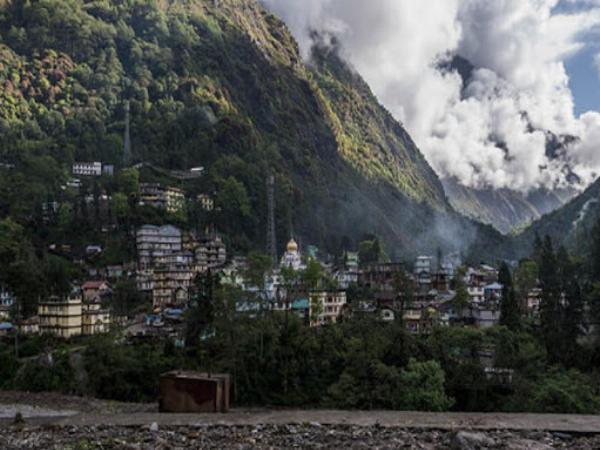
Chungthang Sikkim travel guide: a concise roadmap for visitors who want practical logistics, safety notes, and things to do in this quiet North Sikkim town where the Teesta and Lachung Rivers meet. This guide focuses on realistic planning, necessary permits, and on-the-ground tips to make the most of a stay in Chungthang.
A compact overview of what to expect in Chungthang, how to reach it, permit rules, a travel checklist, timing advice, and must-see spots. Includes a CHUNG Checklist and a short scenario illustrating a two-day visit.
Detected intent: Informational
Chungthang Sikkim travel guide: essential overview
Chungthang sits at ~1,300–1,400 m in North Sikkim and is a practical base for nearby attractions such as Gurudongmar Lake, Lachung, and the Dzongu reserve. The town's strategic location at the confluence of the Teesta and Lachung rivers makes it an entry point for higher-altitude excursions and a place to acclimatize. Visitors should plan for limited services, variable mobile coverage, and weather-dependent road access.
How to reach Chungthang and local transport
how to reach Chungthang from Gangtok
Road travel is the most common option. The drive from Gangtok to Chungthang takes 4–6 hours depending on road conditions and stops. Vehicles need to be arranged through licensed tour operators or private hires; shared taxis are available but infrequent. Key waypoints are Mangan and Singhik; allow extra time for mountain driving, photo stops, and checks at local permit points.
Nearest airports and railheads
The nearest airport with regular commercial service is Pakyong (near Gangtok) and Bagdogra (Siliguri) as the major rail/air hub. From either airport or Siliguri railway station, plan a road transfer to Gangtok and onward to Chungthang. Always factor in buffer time for delays and check current flight/rail schedules.
Planning your trip: best time to visit Chungthang Sikkim
Best time to visit Chungthang Sikkim is spring (March–May) and autumn (September–November). These windows offer stable weather, clearer skies for views, and milder temperatures. Monsoon months (June–August) bring landslide risk and limited accessibility; winter can be cold with occasional snow at higher altitudes, affecting onward travel to places like Gurudongmar.
Permits, safety, and regulations
Some areas in North Sikkim require permits. Verify the current permit rules with Sikkim state authorities before travel; the Sikkim Tourism Directorate maintains official guidance and forms. For border-area visits or high-altitude lakes, a restricted area permit or escorted travel may be required. Carry ID, passport/Voter ID, and photocopies for surface and permit checks.
CHUNG Checklist (named checklist for quick packing & prep)
- Climate layers: base layer, mid-layer, and windproof outer.
- Health kit: altitude medicine, basic first-aid, and water purification tablets.
- Updated permits and ID: printed copies and digital backups.
- Navigation: offline maps, local SIM or portable hotspot, and vehicle contact details.
- Gear: sturdy walking shoes, daypack, flashlight, and portable charger.
Practical tips for visiting Chungthang
- Book transport and accommodations in advance during high season (spring/autumn) because options are limited.
- Carry cash. ATMs may be absent; card acceptance is unreliable in smaller shops and homestays.
- Acclimatize: spend a night in Chungthang before heading to higher altitudes to reduce altitude sickness risk.
- Respect local rules and restricted zones — military and forest checks are common near border areas.
- Monitor weather forecasts and check with local contact or hotel for road status before departing on day trips.
Common mistakes and trade-offs
Trade-offs: staying longer in Chungthang improves acclimatization and reduces travel stress but means fewer days for other attractions. Attempting multiple high-altitude trips in a single day saves time but increases risk of altitude-related illness and mechanical delays.
Common mistakes:
- Underplanning permits: assuming no paperwork is needed for border-area lakes or restricted zones.
- Overpacking: heavy luggage makes mountain transfers cumbersome; prefer a compact daypack for excursions.
- Ignoring local advice: mountain drivers and homestay hosts often have the best, current local safety information.
Short scenario: two-day visit example
Arrival Day: Drive from Gangtok to Chungthang in the morning, check into a guesthouse, acclimatize with a short walk to the Teesta confluence, and prepare permits for the next day. Day Two: Early start toward Yumthang Valley or a guided visit to nearby cultural sites; return to Chungthang in the afternoon and rest. This pacing reduces altitude stress and keeps travel time reasonable.
Core cluster questions (for related articles and internal linking)
- What permits are required for travel in North Sikkim?
- How to plan a safe acclimatization schedule before Gurudongmar Lake?
- What are the best homestays and guesthouse options in Chungthang?
- Which local festivals and cultural sites are near Chungthang?
- How do road conditions vary seasonally between Gangtok and North Sikkim?
Final planning checklist and next steps
Before departure, verify permits, confirm vehicle bookings, pack the CHUNG Checklist items, and leave a copy of the itinerary with emergency contacts. Keep the trip flexible — mountain travel benefits from a conservative schedule.
Local etiquette and sustainability
Respect local communities by avoiding single-use plastics, following trail guidelines, and asking before photographing people or sacred sites. Support village economies by using local guides and homestays where possible.
When to choose Chungthang as a base
Choose Chungthang for quiet stays, acclimatization before higher passes, or as a logistics base between Gangtok and northern valleys. For travelers prioritizing comfort and frequent services, Gangtok or larger towns are better bases; Chungthang suits those seeking proximity to North Sikkim routes with modest amenities.
FAQ: Is this the right Chungthang Sikkim travel guide for first-time visitors?
Yes — this guide focuses on practical planning, permit awareness, and key local considerations that matter most to first-time visitors. For detailed permit forms and official updates, consult Sikkim state resources.
FAQ: What is the best time to visit Chungthang Sikkim?
Best months are March–May and September–November for stable weather and clearer views. Monsoon and heavy winter months reduce accessibility and increase risk.
FAQ: Do permits or guides cost extra in Chungthang?
Permit fees and guide charges vary with route and the need for an escorted trip. Budget extra for permits, guide fees for restricted areas, and possible vehicle permits. Always request receipts and confirmation from official or licensed providers.
FAQ: Can visitors rely on mobile and internet service in Chungthang?
Expect patchy mobile coverage. A local SIM may work in parts, but plan with offline maps and a portable charger. Inform accommodation providers of any necessary communication updates.
FAQ: How should emergencies be handled while traveling from Gangtok to Chungthang?
Carry emergency contact numbers, a basic first-aid kit, and a backup communication plan. Local police stations, district health centers, and nearby hospitals are the first points of contact; larger evacuation or specialized care will likely route through Gangtok or Siliguri depending on severity. Check permit conditions and local advisories before departure.