Double Bed Designs: Complete Guide to Wooden, Modern, and Multifunctional Styles
-
- April 22nd, 2026
- 1,335 views
Double Bed Designs: Styles, Materials and How to Choose
Intent: Informational
Understanding double bed designs helps match bedroom scale, sleeping needs, and lifestyle. This guide covers popular double bed designs, from classic wooden frames to modern multifunctional beds, with a practical checklist, a short real-world scenario, and actionable tips to choose a bed that fits both space and routine.
- Compare materials and construction: solid wood, engineered wood, metal, and upholstered frames.
- Balance aesthetics with function: storage, adjustable bases, and platform beds affect room layout.
- Use the SLEEP selection checklist to evaluate size, ergonomics, and features before buying.
Double bed designs: why style and function both matter
Choosing among double bed designs is about more than looks. Frame type, mattress compatibility, and support systems influence sleep quality and room flow. Consider headboard height for visual scale, under-bed storage for small rooms, and material durability for long-term value.
Core cluster questions
- Which double bed designs maximize bedroom storage?
- How do wooden double bed styles differ in construction and finish?
- What are the pros and cons of platform vs. slatted double bed frames?
- How to measure a room for a double bed and allow circulation space?
- Which modern multifunctional beds are best for small apartments?
Common categories of double bed designs
Classic wooden double bed styles
Wooden beds remain a go-to for durability and timeless appeal. Options range from solid hardwood frames with mortise-and-tenon joinery to veneered plywood that reduces cost. Popular classic styles include four-poster, sleigh, and mission frames. Finishes (oiled, lacquered, or waxed) affect maintenance and look. For a traditional bedroom, wooden double bed styles provide warmth and an easy way to coordinate with other furniture.
Modern multifunctional beds
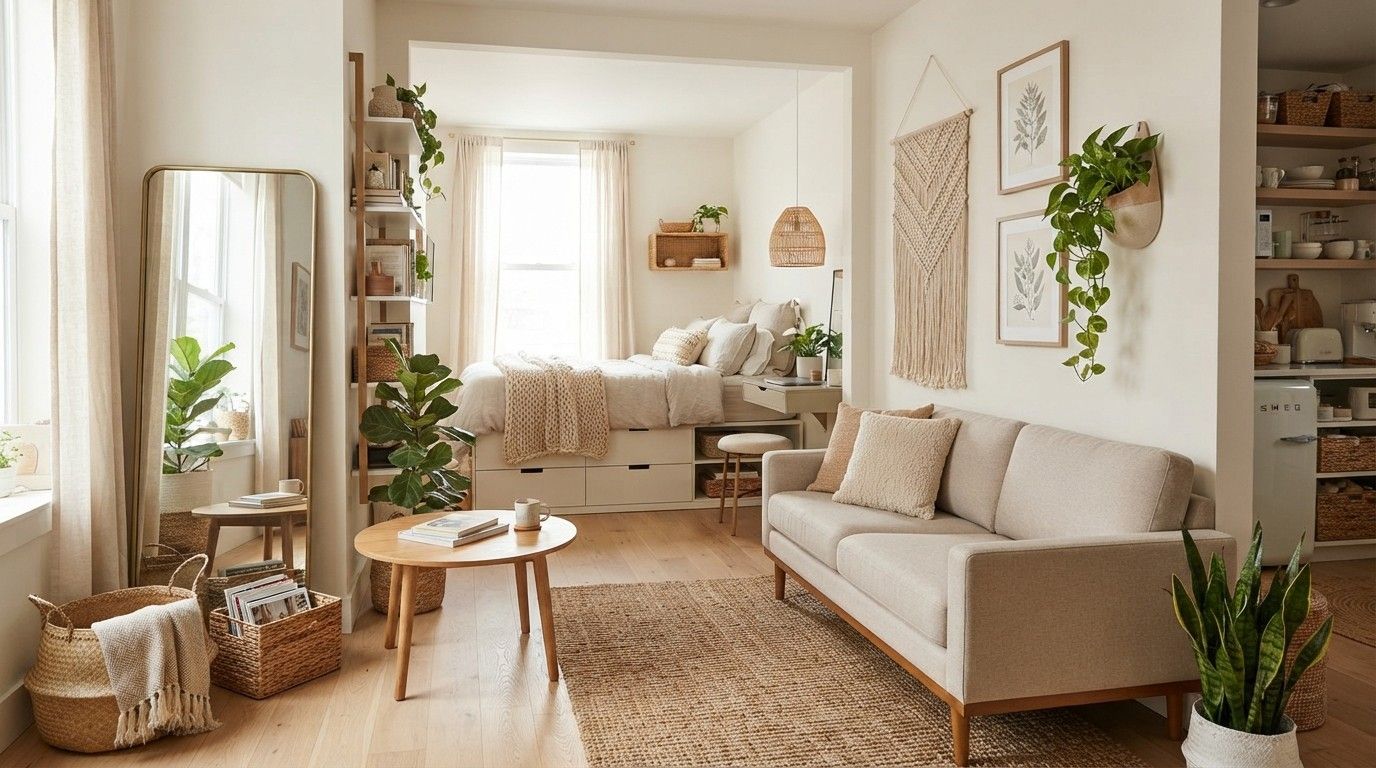
Modern multifunctional beds prioritize space efficiency and integrated features. Common elements: built-in storage drawers, lift-up storage platforms, headboards with shelving or lighting, and convertible frames that fold into seating or include a desk. Multifunctional beds suit studio apartments and guest rooms where maximizing square footage is essential.
Other popular types (metal, upholstered, platform)
Metal frames are lightweight and often budget-friendly; look for powder-coated finishes to prevent corrosion. Upholstered beds add softness and sound-dampening but may require more upkeep. Platform beds eliminate the need for a box spring and provide a low, contemporary profile.
SLEEP Selection Checklist (named framework)
Use the SLEEP framework to evaluate options quickly:
- Size: Confirm mattress dimensions and room circulation (leave 60–90 cm around sides if possible).
- Layout: Consider headboard placement, natural light, and proximity to doors.
- Ergonomics: Check mattress support, edge stability, and height for easy sitting/standing.
- Equipment: Note additional features—storage drawers, charging ports, lighting.
- Provenance: Review materials, joinery, and warranty to assess longevity.
Real-world example: Small-bedroom redesign
Scenario: A 3.2 m × 3.5 m bedroom needs a double bed, storage for clothing, and a workspace. Applying the SLEEP checklist leads to a low-profile platform bed with two under-bed drawers and a headboard shelf for lighting. Positioning the bed along the longest wall preserves circulation, while a floating desk replaces a bulkier dresser. The result: a functional layout that keeps walking paths clear and eliminates redundancy in furniture.
Practical tips for choosing and installing a double bed
- Measure twice: record room dimensions, door swing, and furniture clearance before selecting a frame.
- Match mattress support to the frame: slatted bases need slat spacing suitable for the mattress type to avoid warranty issues.
- Consider delivery and assembly access: confirm elevator and stair clearances to avoid returns or complicated disassembly.
- Prioritize ease of cleaning: elevated legs or removable slats simplify vacuuming and pest checks.
Trade-offs and common mistakes
Trade-offs to consider
Storage beds increase capacity but add weight and complexity—lift-up mechanisms can fail over time. Very low platform beds reduce visual clutter but make getting in and out harder for people with mobility issues. Solid wood offers longevity but often costs more than engineered materials.
Common mistakes
- Buying a frame before measuring mattress depth and door clearances.
- Assuming all mattresses fit all frames—some mattresses require specific support types for warranty compliance.
- Overlooking ventilation under the bed, which can lead to damp or odor in humid climates.
Safety and standards
For fire and structural safety, consult national product-safety guidance when selecting sleep products. For example, the U.S. Consumer Product Safety Commission provides resources on general furniture and sleep product safety considerations. U.S. Consumer Product Safety Commission is a useful starting point for safety best practices and recalls.
Final selection process (step-by-step)
- Measure room and note constraints (doors, radiators, windows).
- Decide priority features: storage, height, headboard, or purely aesthetic value.
- Match mattress support type and frame compatibility; verify manufacturer guidance.
- Confirm delivery logistics and warranty details before purchase.
- Test firmness and edge support when possible; ask about return windows.
Practical maintenance pointers
Rotate the mattress per manufacturer instructions, tighten visible hardware annually, and clean upholstered frames according to fabric instructions to extend life and maintain appearance.
FAQ
What are the most popular double bed designs?
Popular double bed designs include classic wooden frames (sleigh and four-poster), platform beds with low profiles, upholstered headboard frames for added comfort, and multifunctional beds with built-in storage or convertible features that fit small spaces.
How do wooden double bed styles differ in durability?
Solid hardwoods (oak, maple, walnut) offer the greatest longevity and can be refinished. Engineered wood or veneered panels are cost-effective but may delaminate or chip over time. Joinery type (dovetail, mortise-and-tenon) is a strong indicator of construction quality.
Are modern multifunctional beds suitable for long-term use?
Yes, if mechanics and storage systems are well-built. Check for sturdy lift mechanisms, reinforced drawer runners, and clear warranties. Simpler built-in storage tends to be more durable than complex convertible systems.
How much space is needed around a double bed for comfortable movement?
A minimum of 60 cm (24 inches) is recommended for a comfortable walking path around the sides, with 75–90 cm ideal for bedrooms with multiple functions or high-traffic routes.
Can a double bed design improve small bedroom storage?
Yes. Choosing a bed with integrated drawers, a lift-up storage platform, or shelving in the headboard can reclaim floor and wall space, making a small bedroom function like a larger one.