Display Boxes: Durable, Sustainable Presentation Alternatives for Retail and Events
-

- March 09th, 2026
- 1,779 views
Display boxes are a common choice for presenting products, samples, and promotional materials in retail stores, trade shows, and exhibition spaces. This article reviews presentation alternatives that endure—balancing durability, sustainability, cost, and visual impact—so planners and merchandisers can select solutions suited to specific environments and product types.
Compare alternatives to traditional display boxes by material (cardboard, corrugated, acrylic, metal, wood), intended use (temporary retail, long-term shelf, exhibition, point-of-sale), and lifecycle factors (reuse, recycling, end-of-life). Consider supply chain, branding needs, and local recycling standards. Official guidance on packaging and recycling is available from regulators such as the U.S. Environmental Protection Agency.
Display boxes: when to choose boxed presentation and when to consider alternatives
Traditional boxed displays remain useful for compact items and single-sku presentations, especially where protection and branding on multiple faces are important. Alternatives such as modular shelving, slatwall fixtures, pallet displays, acrylic risers, or hanging systems can offer better durability, easier restocking, or reduced waste depending on the retail context. Key decision factors include product weight, lifecycle (single use vs. repeated use), transport and storage constraints, and aesthetic goals.
Materials and construction options
Cardboard and corrugated solutions
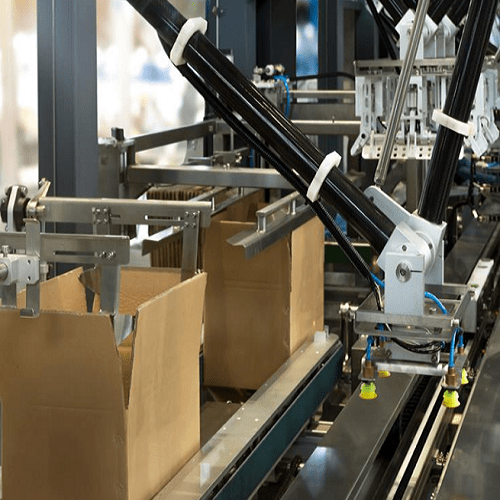
Corrugated cardboard is lightweight and inexpensive, often used for temporary displays and point-of-purchase stands. Flute type, linerboard strength, and coatings affect rigidity and moisture resistance. Printed corrugated displays can be cost-effective for short campaigns but typically have limited reuse potential.
Acrylic, polycarbonate, and plastics
Rigid plastics provide a premium look and strong durability for repeated in-store use. They are easy to clean and can be molded into custom shapes. Consider the environmental trade-offs: some thermoplastics are recyclable in specific systems, while others have limited recycling pathways.
Metal and wood fixtures
Metal and wood offer long service life and robustness for heavy products or high-traffic locations. Metal fixtures can be modular and collapsible for transport. Wood provides a natural aesthetic and can be sourced from certified suppliers to meet sustainability goals.
Design considerations for enduring presentation
Modularity and reusability
Designing modular units that can be reconfigured for different campaigns extends useful life and reduces waste. Interlocking panels, adjustable shelving, and universal hardware help adapt a single investment to multiple SKUs and layouts.
Branding and visual hierarchy
Effective presentation alternatives preserve brand visibility while enabling clear product hierarchy. Use consistent color, typography, and lighting strategies to match the brand while optimizing sightlines and accessibility for customers.
Transport, storage, and assembly
Consider flat-pack designs for ease of storage and lower transport volumes. Assembly time and required tools influence labor cost; designs that enable tool-free setup save time at installation and teardown.
Sustainability and regulatory context
End-of-life and recyclability are major concerns for choosing presentation materials. Reuse, repairability, and recyclable material selection reduce lifecycle impacts. National and regional regulators publish guidance on packaging and recycling; for example, the U.S. Environmental Protection Agency offers resources on reducing packaging waste and improving recycling systems.
Cost and lifecycle trade-offs
Upfront cost vs. total cost of ownership
Low-cost cardboard displays minimize upfront expense but often need replacement sooner, increasing lifetime cost. Durable materials involve higher initial investment but lower replacement frequency, potentially reducing total cost over time when amortized across many uses.
Inventory and asset management
Tracking reusable fixtures as assets supports redeployment across stores or events. Barcoding or RFID tagging helps manage distribution and maintenance schedules for longer-lived display systems.
Practical contexts for alternatives
Retail chains and supermarkets
Supermarkets often prefer pallet-ready displays or modular shelving that integrate into existing aisles. Durability and easy replenishment are priorities; displays that maximize shelf space and minimize staff time are beneficial.
Trade shows and exhibitions
Exhibition environments demand visually striking solutions that are also transportable. Lightweight, modular booths that pack flat and assemble quickly are favored. Trade show organizers and facility managers may have specific fire and safety standards that affect material selection.
Pop-up shops and short campaigns
Temporary activations often balance impact with low setup cost. Printed corrugated or inflatable elements can provide immediate visual effect with quick teardown and low storage needs.
Supplier selection and standards
Working with suppliers that comply with recognized standards—such as ISO quality management standards or material-specific certifications—helps ensure consistency and traceability. For sustainability certification and guidance, consult industry groups and academic lifecycle assessments when available.
FAQ
What are the most durable alternatives to display boxes?
Durable alternatives include metal and wooden fixtures, rigid acrylic or polycarbonate risers, and modular aluminum systems. Selection depends on weight capacity, expected handling, and desired lifespan.
How do display boxes compare to modular shelving in terms of sustainability?
Modular shelving tends to be more sustainable over time if it is reused repeatedly, whereas single-use cardboard displays have lower embodied impacts per unit but often higher lifecycle waste. Lifecycle assessment helps quantify trade-offs.
Are display boxes suitable for long-term retail use?
Traditional display boxes are most suitable for short-term campaigns or promotions. For long-term retail use, consider sturdier materials and modular designs that permit maintenance and reconfiguration.
How should recycling and end-of-life be handled for presentation materials?
Sorting materials by type and following local recycling guidelines is essential. Reuse and refurbishment strategies extend life. For regional guidance, consult official recycling resources such as the U.S. Environmental Protection Agency's information on recycling programs.