Display Boxes for Conservation: Uses, Materials, and Best Practices
-

- March 03rd, 2026
- 1,504 views

Get a free topical map and start building content authority today.
Display boxes play a central role in conservation by protecting objects from physical damage, dust, pests, and harmful environmental conditions while enabling study and public presentation. This article describes common types of display boxes, materials and construction approaches, environmental and handling considerations, and practical uses across museums, archives, and scientific collections.
- Display boxes provide physical protection and microclimate control for sensitive objects and specimens.
- Material choices such as archival board, inert plastics, and buffered linings influence long-term preservation.
- Design must consider humidity, light exposure, pests, and access for inspection or treatment.
- Standards from conservation authorities inform preventive conservation and collection care practices.
Why display boxes matter in conservation
Display boxes reduce risk by creating a controlled enclosure that limits direct handling, airborne pollutants, and fluctuating microclimates. For museums, archives, and natural history collections, these enclosures are part of preventive conservation strategies that extend object life and reduce the need for interventive treatments. Display boxes are used both for short-term exhibition and for long-term storage, so design and materials should reflect the intended use.
Common types and uses of display boxes
Exhibition vitrines and transport cases
Vitrines (transparent display cases) and transport cases protect objects during public display and movement. Exhibition vitrines balance visibility with environmental control, often incorporating UV-filtering glazings and seals. Transport cases add cushioning and shock mitigation for loans and fieldwork.
Storage boxes and archival housings
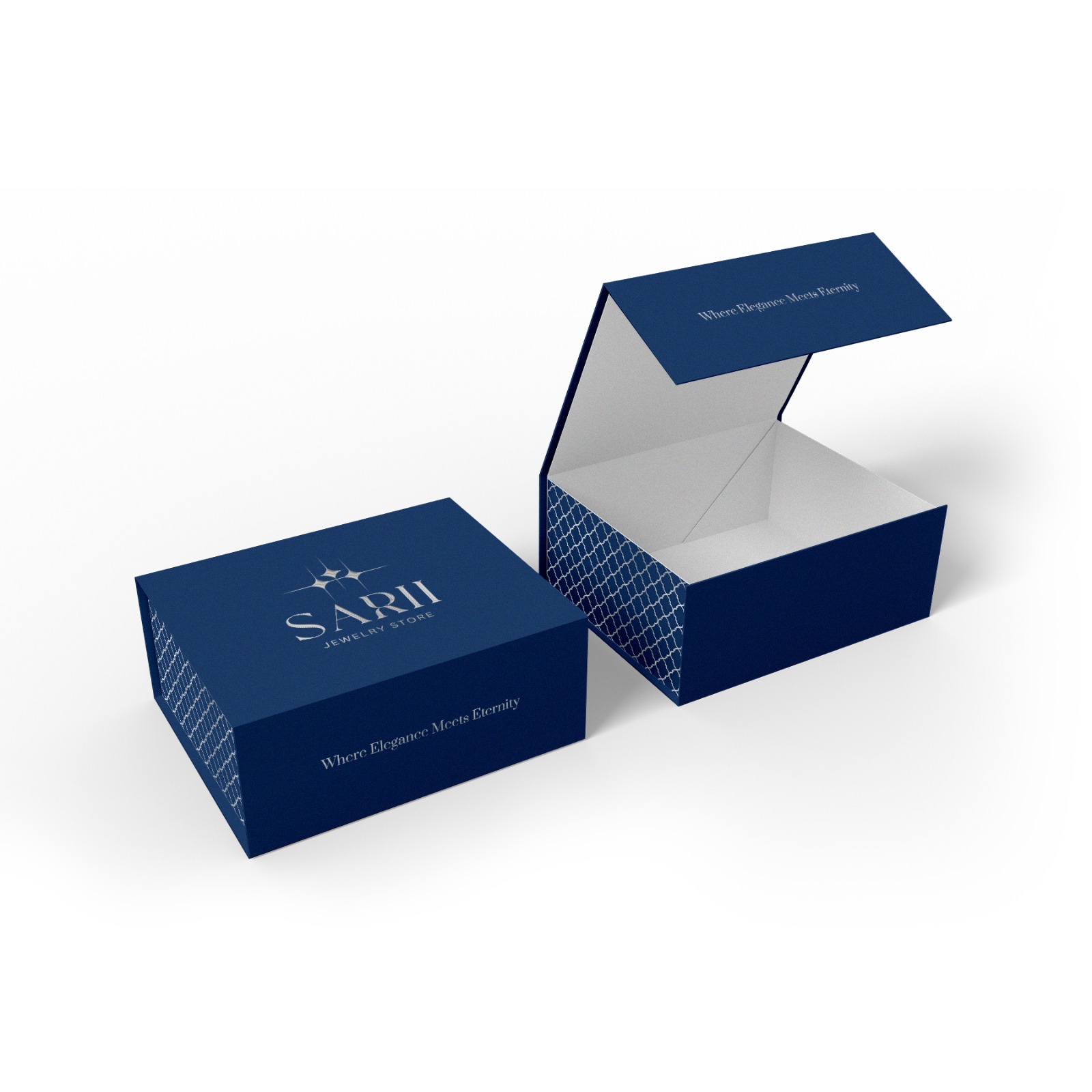
Storage display boxes are designed for long-term collection care. Archival-grade boxes use acid-free, lignin-free materials and may include buffered interleaving for paper or textiles. These housings reduce dust ingress, provide mechanical support, and help maintain a stable microenvironment.
Specimen trays and insect-proof boxes
Natural history collections use specialized boxes for mounted specimens, seeds, or botanical material. Insect-tight seals and integrated pest monitoring reduce biological risks. Some boxes are designed to facilitate freezing or anoxia treatments to mitigate active infestations.
Materials and construction considerations
Archival and inert materials
Choose materials that do not off-gas or chemically interact with objects. Common choices include buffered or unbuffered acid-free board, polyethylene (PE), polypropylene (PP), and polyester (Mylar) for sleeves and windows. Avoid PVC and materials with plasticizers that can migrate and harm sensitive surfaces.
Seals, closures, and glazing
Sealing methods affect microclimate stability. Gaskets or silicone seals can reduce air exchange for display cases, while archival tapes and folded joints are common for storage boxes. For glazing, use UV-resistant materials to protect light-sensitive items; glazing should also minimize reflected light and glare in exhibition settings.
Environmental control and preventive maintenance
Humidity and temperature
Relative humidity (RH) and temperature directly affect many materials. Display boxes can moderate short-term fluctuations but are not substitutes for proper HVAC control in galleries and storage areas. Use silica gel or other buffering agents inside sealed cases only after testing and monitoring to avoid overcorrection.
Light, pollutants, and pests
Design must limit exposure to visible and UV light for dyes, pigments, and organic materials. Filtration, low-intensity illumination, and timed lighting are common measures. Consider integrated pollutant-absorbing materials and pest management strategies consistent with institutional collection care policies.
Design and practical guidelines
Customization vs. modular systems
Custom-fitted boxes offer ideal support for unique objects; modular systems provide flexibility for changing collections. Evaluate object fragility, display needs, and storage space when selecting between custom and off-the-shelf solutions.
Access for research and conservation
Design display boxes to allow secure access for condition checks, photography, and treatment. Hinged lids, removable trays, or access panels reduce the need for repeated full-case opening that can disturb microclimates.
Standards, guidance, and professional practice
Conservation practices are informed by professional guidance from organizations such as the International Council of Museums (ICOM), the Getty Conservation Institute, and national museums. For institutional recommendations and practical guidelines on storage and display case construction, consult authoritative resources such as the U.S. National Park Service museum handbook which outlines preventive conservation and case design principles: National Park Service Museum Handbook. Documentation of condition and materials used is essential for long-term collection management.
Common applications across fields
Museum and cultural heritage
Display boxes present fragile textiles, ceramics, metalwork, and mixed-media objects while preserving context and provenance labels. Curatorial input guides interpretive display decisions alongside conservation requirements.
Archives and libraries
Manuscripts, maps, and rare books benefit from clam-shell boxes, phase-boxes, and encapsulation with inert polyester. Acid-free supports and correct shelving orientation reduce mechanical stress.
Scientific collections
Botanical sheets, zoological specimens, and geological samples require housings that permit sampling or analysis without causing damage. Integrated labeling and barcoding within display boxes support collection management systems.
Community and field conservation
Portable display boxes are used in fieldwork for stabilizing artifacts during excavation, transport, or temporary exhibition in outreach programs. Lightweight, inert materials and shock-absorbing interiors are priorities in these contexts.
FAQ
What are display boxes and how are they used in conservation?
Display boxes are enclosures used to protect, exhibit, and store objects. They reduce exposure to physical damage, dust, pests, and environmental fluctuations, and are used in museums, archives, natural history collections, and fieldwork for both short-term display and long-term preservation.
Which materials are safest for archival display boxes?
Archival board that is acid-free and lignin-free, inert plastics such as polyethylene and polypropylene, and polyester sleeves are commonly used. Avoid PVC and materials with unstable plasticizers; select buffered or unbuffered products based on the material sensitivity of the object.
How should a display box be maintained?
Monitor microclimate (temperature and relative humidity), check for pests, maintain clean interiors, and document any changes. Use trusted institutional protocols for preventive conservation and consult professional conservators for complex issues.
Can display boxes replace environmental controls in storage areas?
Display boxes can moderate short-term fluctuations and provide localized buffering but should not replace building-level HVAC and climate control systems required for long-term collection care. Integrated environmental systems remain the primary method for controlling RH and temperature across storage and exhibition spaces.
Who sets the standards for display box construction and use?
Standards and best practices are developed by conservation bodies, museums, and cultural heritage institutions. Examples of organizations that publish guidance include the International Council of Museums (ICOM), the Getty Conservation Institute, and national museum services. Institutional policies should align with these professional resources.