Do Sole Traders Need an Accountant? Practical Steps for Financial Clarity
-

- Published Updated
- 1,345 views
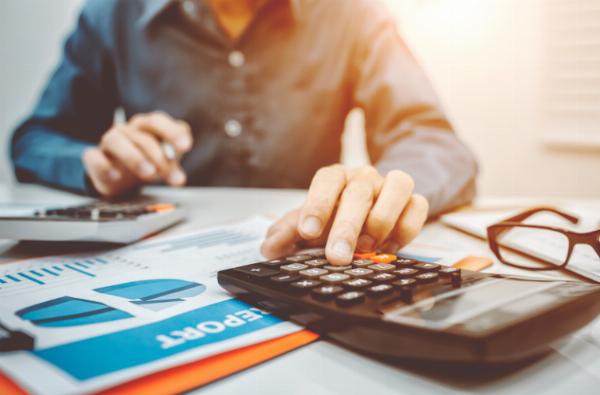
Many small business owners ask: do sole traders need an accountant when starting or running a one-person business? This article outlines typical situations where professional accounting help is useful, what tasks an accountant might perform, and practical steps for managing finances whether an accountant is engaged or not.
Hiring an accountant can add value for sole traders who have complex tax affairs, limited time, or plans to grow. For simple businesses with basic record keeping and few transactions, accounting software and clear processes can be sufficient. Key considerations include the complexity of tax obligations, time available, confidence with bookkeeping, and budget for professional fees.
Do sole traders need an accountant: key considerations
Deciding whether to hire an accountant depends on several factors: the volume and complexity of transactions, use of employees, need for tax planning, confidence with bookkeeping and compliance, and the value of time that might be freed by outsourcing financial tasks. Legal and regulatory responsibilities remain with the sole trader regardless of whether an accountant is used, so understanding basic obligations is important.
When an accountant is likely to be helpful
Complex tax situations
An accountant can help with more complex tax positions such as multiple income streams, capital gains events, rental income, or cross-border issues. Professional input can reduce the risk of filing errors and identify allowable expenses or reliefs that may not be obvious.
Limited time or financial expertise
Sole traders who prefer to focus on operations, sales, or service delivery may find it efficient to delegate bookkeeping, payroll, VAT returns, and year-end filings to an accountant. This can also help ensure deadlines are met and penalties avoided.
Planning to grow or hire staff
If planning to recruit employees, register for VAT, or expand operations, an accountant can advise on payroll setup, pension auto-enrolment obligations, and cash flow forecasting.
When an accountant may not be necessary
Small scale operations with simple records
For sole traders with low transaction volumes, straightforward income and expenses, and confidence in using bookkeeping software, handling accounts directly is often feasible. Basic record keeping, regular reconciliation, and timely tax return submission are the core tasks.
Using digital tools
Modern accounting software can automate invoicing, expense capture, bank feeds, and VAT returns. Many sole traders combine software with occasional professional advice (for example, at year end) rather than ongoing accounting support.
Typical services an accountant provides and costs
Common services include bookkeeping, VAT returns, payroll, self-assessment or corporation tax filings, year-end accounts, and tax planning. Pricing models vary: fixed monthly fees, hourly rates, or annual packages. Costs depend on complexity, transaction volume, and level of service. Small businesses should request a clear fee schedule and a list of included services before engaging an accountant.
How to choose an accountant
Qualifications and professional bodies
Look for accountants who are members of recognised professional bodies (for example, in the UK: ICAEW, ACCA, or Association of Accounting Technicians). Membership often indicates adherence to professional standards and continuing education.
Ask about experience and software
Choose a practitioner with experience serving similar types of sole traders. Confirm which accounting platforms are supported and whether cloud-based collaboration is available for real-time bookkeeping.
Record keeping and compliance basics for sole traders
Sole traders are generally required to keep accurate records of income and allowable expenses, retain receipts and invoices, and submit tax returns and any required payroll or VAT filings. Record retention periods vary by jurisdiction; official guidance from tax authorities provides specific timelines and requirements. For example, HM Revenue & Customs (HMRC) offers guidance for self-employed workers and sole traders on record keeping and tax obligations (HMRC guidance).
Alternatives to a full-service accountant
Part-time bookkeeping services, virtual finance assistants, or periodic consultations with an accountant can be cost-effective options. These arrangements allow sole traders to maintain control over day-to-day finances while accessing professional advice for complex matters or year-end checks.
Preparing to work with an accountant
Before engaging an accountant, compile clear records, recent tax returns, bank statements, and details of any business loans or assets. Agree on communication channels, deliverables, and timelines. A written engagement letter that sets out responsibilities and fees helps manage expectations for both parties.
Common pitfalls to avoid
- Delaying bookkeeping: falling behind increases time and cost to catch up.
- Mixing personal and business finances: separate accounts simplify record keeping and reduce errors.
- Not confirming fee structures: unclear costs lead to unexpected charges.
- Assuming filing is automatic: regulatory deadlines and filings remain the sole trader's responsibility unless formally delegated.
Next steps for sole traders
Assess the complexity of the accounting workload, estimate the value of time saved by outsourcing, and compare potential costs against benefits such as reduced compliance risk and improved financial planning. Consider starting with an initial consultation or a small, defined engagement to evaluate fit.
FAQ
Do sole traders need an accountant for tax filing?
Not always. Many sole traders can complete self-assessment tax returns independently, especially where income and expenses are straightforward. An accountant can be helpful for complex returns, identifying reliefs, or reducing the likelihood of errors.
How much does an accountant cost for a sole trader?
Costs vary widely by location and services required. Simple annual accounts and a tax return may be relatively inexpensive, while ongoing bookkeeping and payroll increase fees. Request written quotes from several providers for comparison.
What basic records should a sole trader keep?
Keep records of all sales and income, receipts and invoices for expenses, bank statements, payroll records (if applicable), and documentation for asset purchases. Retention periods differ by jurisdiction; consult the relevant tax authority for specifics.
Can accounting software replace an accountant?
Accounting software can handle many routine tasks and improve accuracy, but it does not replace professional judgment for tax planning, complex compliance issues, or representation in the event of an audit. Many sole traders use software alongside occasional professional advice.
How to find a qualified accountant for a sole trader?
Search for professionals who are members of recognised accounting bodies, ask for references from similar businesses, and request a clear engagement letter. Check credentials and experience in serving sole traders before committing to a longer-term arrangement.