Home Elevator Cost in Delhi: Complete Price Guide, Installation Steps, and Savings
-

- Published Updated
- 894 views
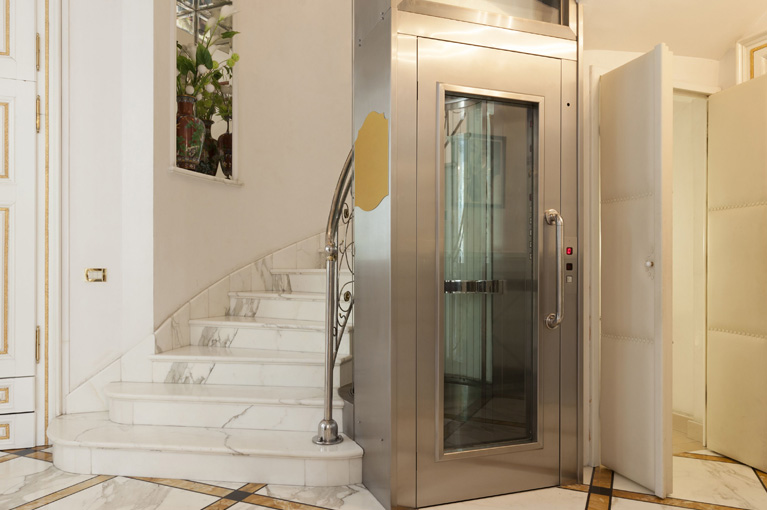
Planning a residential lift starts with understanding the home elevator cost in Delhi. This guide breaks down typical price ranges, installation factors, and practical steps to get an accurate, actionable budget for a home elevator project.
Typical home elevator cost in Delhi ranges from approximately INR 4 lakh to INR 20 lakh depending on capacity, travel height, drive type, finishes, and civil work. This article explains the cost drivers, provides a named checklist (ELEVATE), a sample scenario, practical tips, and common mistakes to avoid.
Detected intent: Informational
What affects the home elevator cost in Delhi
Several variables determine the residential lift price in Delhi. Key factors include elevator type (machine-room-less vs hydraulic), number of stops and travel height, load capacity, cabin finish and accessories, structural or pit work, electrical and safety upgrades, and local permits. Regional labour rates and vendor support packages also influence the final quote.
Major cost components
- Equipment: motor, controller, cabin, doors
- Installation: hoistway preparation, pit, machine room or MRL setup
- Finishes and accessories: cabin paneling, glass, remote controls
- Safety compliance: emergency alarm, backup power, safety gear
- Maintenance contract and warranty options
Typical price ranges and examples
Expect wide ranges. Common residential lift price Delhi examples:
- Basic MRL 2-stop, 2-person lift: INR 4–7 lakh (including standard installation).
- 3–4 stop, 4-person traction lift with mid-range finishes: INR 8–12 lakh.
- High-end cabin, glass shaft, 6-person capacity, bespoke finishes: INR 15–20 lakh+.
Real-world scenario
Scenario: 3-storey private home (ground + 2 floors), 4 stops, 4-person MRL lift, standard stainless-steel cabin, required pit depth 400 mm, minor shaft modification, and local electrical upgrade. Typical estimate: equipment INR 5,00,000; installation and civil INR 1,50,000; safety & electrical INR 50,000; taxes and permits INR 25,000. Total around INR 7,25,000.
ELEVATE Checklist: a named framework to estimate cost
Use the ELEVATE Checklist to structure budget and decisions:
- Evaluate needs — stops, capacity, travel height
- Layout check — shaft, pit, headroom, structural changes
- Elevator type — MRL, hydraulic, traction
- Vendors quotes — get 3 detailed bids with breakdowns
- Accessories & finishes — select essential vs optional items
- Timeframe — schedule and disruption planning
- Estimate final costs — include maintenance & contingency (10%)
How to get accurate quotes and reduce surprises
Practical tips
- Request itemized quotes showing equipment, civil work, electrical, and commissioning separately.
- Compare at least three suppliers and verify references or past installations.
- Confirm compliance with local building regulations and applicable standards from the Bureau of Indian Standards: Bureau of Indian Standards (BIS).
- Budget a 10%–15% contingency for unforeseen civil or electrical work.
Trade-offs and common mistakes
Common mistakes that increase final cost:
- Choosing lowest bid without checking what’s excluded — cheaper quotes often omit civil work or VAT.
- Underestimating pit/headroom requirements, leading to extra structural work.
- Opting for high-end finishes prematurely — finishes can be upgraded later at lower cost if core installation is planned well.
Trade-offs to consider: a machine-room-less (MRL) lift saves space and may reduce civil work but can cost more for the equipment; hydraulic lifts are smooth for low-rise buildings but require a pit and oil maintenance; premium cabins add upfront cost but increase property value and user experience.
Permits, standards, and maintenance
Securing municipal permits and adhering to safety standards is essential. Refer to national and local building codes and verify that the chosen system meets BIS or relevant international standards. Factor routine maintenance contracts (typically annual) into the life-cycle cost — a conservative annual maintenance estimate is 2%–5% of the equipment cost.
Core cluster questions
- What is the difference between MRL and hydraulic home elevators?
- How much civil work is needed to install an elevator in an existing house?
- What capacity and speed are recommended for a family home elevator?
- How long does a residential elevator installation take from permit to commissioning?
- What are typical maintenance costs and warranty terms for home lifts?
Final checklist before signing a contract
- Confirm itemized scope, schedule, and payment milestones.
- Verify safety features and emergency procedures (backup power, alarm).
- Ensure warranty and maintenance contract details are included in writing.
- Retain drawings and as-built documentation for future resale value.
Frequently asked questions
What is the average home elevator cost in Delhi?
Average ranges are INR 4 lakh to INR 20 lakh depending on stops, capacity, drive type, and finishes. A mid-range 3-stop, 4-person lift commonly falls around INR 8–12 lakh including installation and basic civil work.
How does residential lift installation cost Delhi compare between MRL and hydraulic systems?
MRL lifts often have higher equipment costs but lower structural or machine-room expenses. Hydraulic systems can be cheaper for very low-rise installations but require pit and higher maintenance costs over time.
Can an elevator be added to an existing house without major renovation?
Often yes, if the layout allows a compact MRL lift or through careful shaft planning. However, expect some civil modifications; an accurate site survey is essential to avoid surprises.
How long does installation usually take?
Typical installation time ranges from 4 to 12 weeks after permits and site readiness, depending on complexity and supplier timelines.
What should be included in a maintenance contract for home elevators?
Include periodic safety inspections, lubrication and adjustments, emergency response times, parts coverage details, and clear pricing for consumables and replacements.