How to Identify Pure Double Filtered Groundnut Oil Before You Buy
-

- September 10th, 2026
- 3,137 views
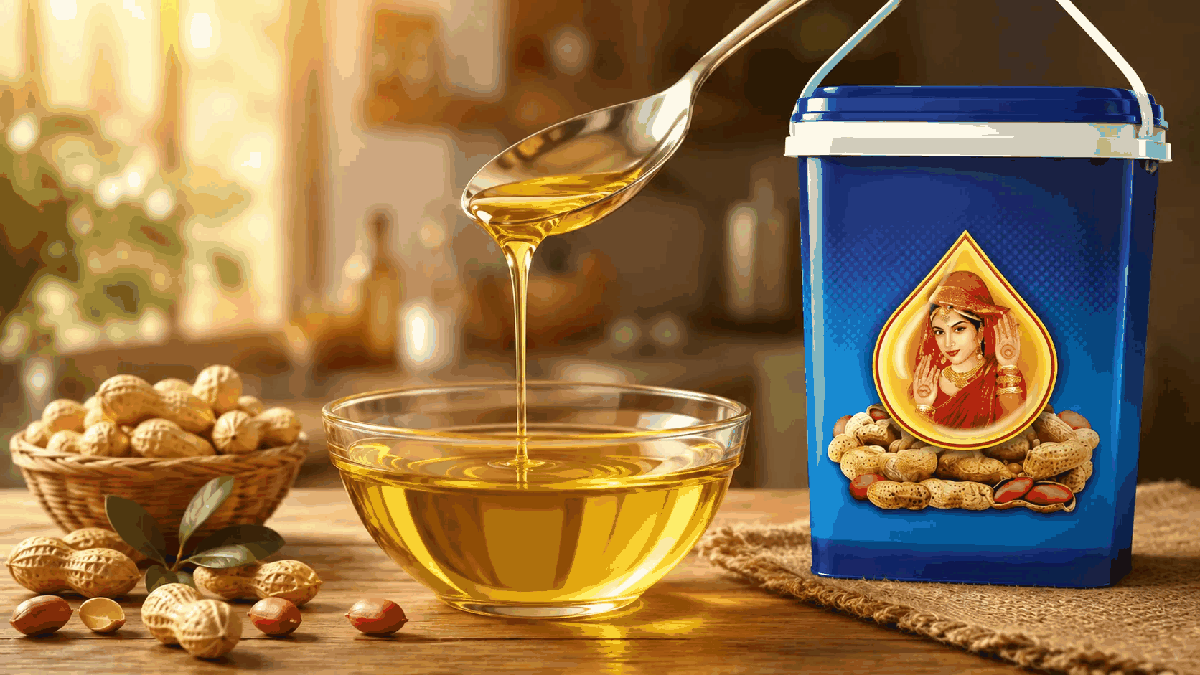
Walk down the cooking-oil aisle of any grocery store, or scroll through one online, and you'll run into the same word again and again: pure. Every bottle claims it. Every label promises freshness and better taste. The problem is, none of that tells you much on its own—so how do you actually tell a genuinely good bottle from a mediocre one?
For most Indian households, cooking oil isn't a once-in-a-while purchase. It shows up in breakfast, in the evening's snacks, in festive sweets, and in nearly everything that comes out of the kitchen. So the oil you choose ends up shaping the flavor of meals you cook for years, not just the one dish in front of you.
That daily use is exactly why so many families stick with double filtered groundnut oil. It skips the heavy refining that strips oils of their character, relying instead on two rounds of filtration to clear out impurities while keeping the natural nutty aroma and taste intact. Whether you're cooking for four people or feeding a full restaurant, that difference shows up in the food.
If you're eyeing a bottle for the kitchen at home or thinking about a groundnut oil 15 kg bucket because you go through oil fast, it helps to actually know what “pure” looks like in practice—not just what the label says. That's what this guide is for: the real signs of good oil, the mistakes people make when buying it, and what's worth paying attention to before you commit to a brand.
Why Purity Matters More Than Price
It's tempting to shop by price alone—grab whichever bottle costs the least and move on. Saving money is fair enough, but the cheapest oil on the shelf isn't automatically the smartest buy.
Good groundnut oil cooks consistently, smells the way it should, and brings out flavors that a lesser oil just can't. A poor one, on the other hand, can quietly throw off a dish you've made a hundred times—and that's a frustrating way to find out you picked wrong.
So instead of asking which oil is cheapest, it's worth asking a different question: which oil can I trust every single time I cook with it?
Oil you use daily isn't really an expense in the usual sense. It's closer to an investment—one that pays off in every meal that comes out of your kitchen.
What Is Double Filtered Groundnut Oil?
Double filtered groundnut oil gets its name from the process: the oil passes through two separate filtration stages after it's extracted. That extra pass clears out particles and impurities without the aggressive processing that strips an oil down to something flavorless.
It's a gentler approach than heavy refining. Instead of stripping the oil of everything, double filtration keeps it clear while leaving the natural aroma and taste that people actually want in their cooking.
You can usually spot it by a few things:
• A natural, pleasant aroma
• A clean golden colour
• Reliable performance when you cook with it
• Genuine groundnut flavour
• Batch-to-batch consistency
It's a big part of why this style of oil has stayed popular across Gujarat and beyond.
10 Ways to Identify Pure Double Filtered Groundnut Oil
1. Read the product label carefully.
A brand that's confident in its product won't hide behind vague packaging. The label should spell things out clearly.
Before you buy, check that it actually mentions:
• Double Filtered Groundnut Oil
• Manufacturer's name
• FSSAI license number
• Manufacturing date
• Batch number
• Net quantity
• Storage instructions
If all of that is printed clearly, it's usually a decent sign the manufacturer isn't cutting corners elsewhere either.
2. Observe the Natural Colour
Genuine groundnut oil tends to sit somewhere in a bright golden-yellow range — clean and clear, not murky, not oddly pale.
That said, don't panic over small shifts in shade from one bottle to the next. Groundnuts vary a bit season to season, and the color can shift slightly along with them without meaning anything's wrong.
3. Pay Attention to the Aroma
Smell is probably the fastest way to judge a bottle before you've even cooked with it.
Fresh, good-quality double-filtered oil has a mild, nutty smell that feels natural rather than manufactured.
If instead you're picking up a sharp chemical note, something unpleasant, or nothing at all, that's worth pausing over—it's usually a sign the oil won't cook the way you're hoping.
4. Check the Manufacturer's Reputation
A brand's track record tells you more than its packaging ever will.
Before buying, it's worth asking a few questions: How long has this company actually been making edible oils? Do real customers seem happy with it? Is the manufacturing information upfront and clear, rather than buried or vague? Does the brand have a reputation for staying consistent batch after batch?
Manufacturers who've been at this a while tend to have quality checks baked into how they work — and it shows in the product.
5. Inspect the Packaging
Whether you're picking up a small bottle or committing to a groundnut oil 15 kg bucket, take a moment to actually look at the packaging before you pay.
Check for a proper seal, no signs of leakage, printing that's legible rather than smudged, a container that isn't dented or damaged, and manufacturing details you can actually read.
Damaged packaging isn't just cosmetic — it can genuinely affect how fresh the oil stays.
6. Buy from Trusted Sources
Where you buy matters almost as much as what you buy.
Stick to sources you know you can trust: the manufacturer's own website, authorised dealers, established supermarkets, or online marketplaces with a solid track record.
Buying from a source like that dramatically lowers the odds of ending up with something old, mishandled, or outright fake.
7. Check the Manufacturing Date
Freshness isn't a minor detail with cooking oil—it's the whole point.
Before you buy, glance at the manufacturing date, the expiry date, and any best-before information printed on the bottle.
Oil that's been packed recently is simply going to perform and taste better than something that's been sitting around for months.
8. Compare Quality, Not Just Price
It's an easy trap: grabbing whatever's cheapest without thinking much further.
A better approach is weighing product quality, brand reputation, manufacvalue—notturing standards, what other customers say, how it's packaged, and the overall value — not just the number on the price tag.
Good cooking oil is one of those purchases where spending a little more upfront tends to pay for itself in the kitchen.
9. Read Genuine Customer Reviews
Before you check out an online order, it's worth spending a few minutes with the reviews.
Look at what people say about the taste, how fresh it arrived, whether the packaging held up, how the delivery went, and their overall experience.
A pattern of positive feedback across many buyers is usually a much better signal than any single glowing review.
10. Choose a Brand That Values Quality
The best brands aren't just selling a bottle of oil—they're earning trust, purchase after purchase, through consistency and honest manufacturing practices.
Once you notice you're getting the same reliable quality every time you buy from a particular brand, you've essentially found the one worth sticking with.
Common Mistakes People Make While Buying Groundnut Oil
Even people who've been buying cooking oil for years slip into a few predictable mistakes.
• Choosing whatever's cheapest without a second thought
• Skipping over the manufacturing date
• Not actually reading the label
• Buying from sellers they don't really know
• Ignoring what other customers have said
• Overlooking damaged or questionable packaging
• Getting swayed by flashy advertising instead of substance
Steering clear of these habits alone can noticeably improve what ends up in your kitchen.
Why Many Families Prefer Groundnut Oil 15 kg Buckets
For households that cook often or businesses running a kitchen day in and day out, a groundnut oil 15 kg bucket tends to make a lot more sense than smaller bottles.
Better Value
Buying in bulk almost always works out cheaper per liter than picking up several small bottles over time.
Convenient Storage
One large bucket means fewer trips to restock and a kitchen that stays consistently supplied.
Suitable for Commercial Kitchens
Restaurants, hotels, caterers, and anyone making snacks at scale go through oil fast. A 15 kg bucket keeps operations running without constant reordering.
Consistent Quality
Because a bulk pack comes from a single batch, you get the same cooking performance across every meal made from it — no subtle shifts from bottle to bottle.
Why Gujarat Is Known for Premium Groundnut Oil
Gujarat has held its place as one of India's leading groundnut-producing states for a long time now. The climate suits the crop, and generations of agricultural know-how have gone into growing groundnuts that genuinely taste better.
That foundation is exactly why so many households look to Gujarat when they think about quality groundnut oil.
Anyone searching for the best cooking oil in Gujarat tends to gravitate toward manufacturers who pair strong raw materials with modern production methods and genuine quality control—not just marketing.
Choosing the Best Groundnut Oil in Rajkot
Rajkot in particular has built a solid name for itself in edible oil manufacturing, supplying households across Gujarat and well beyond.
If you're hunting for the best groundnut oil in Rajkot, a few things are worth weighing: how experienced the manufacturer is, the actual quality of the product, what customers say about it, how transparent the manufacturing process is, how reliable the packaging is, and whether supply stays consistent.
Picking a manufacturer who checks those boxes makes every future purchase a lot less of a gamble.
Why Rani Oil Is a Trusted Choice
At Rani Oil, quality starts at the source — with carefully selected groundnuts — and carries through every stage of production after that.
Every batch of double filtered groundnut oil is made with an eye on consistency, freshness, and getting it right for the people who buy it. Whether it's a bottle for daily home cooking or a groundnut oil 15 kg bucket for a commercial kitchen, the goal stays the same: oil people can count on.
From family kitchens across Gujarat to restaurants and food businesses, a lot of customers keep coming back to Rani Oil simply because it delivers what it promises, batch after batch.
Conclusion
Cooking oil deserves more thought than just glancing at the price tag or the flashiest packaging on the shelf. A few extra minutes spent checking the manufacturer, the label, the freshness, the packaging, and what other buyers have experienced can save you from a disappointing purchase.
If double filtered groundnut oil that actually delivers on quality, consistency, and real flavour is what you're after, starting with a manufacturer you can trust makes all the difference.
Whether that means a bottle for everyday family cooking or a groundnut oil 15 kg bucket for bulk needs, choosing genuine oil means every dish starts on solid ground.
Choose carefully today, and the payoff shows up in every meal from here on.
Frequently Asked Questions (FAQs)
1. What is double filtered groundnut oil?
It's oil that's gone through two stages of filtration, clearing out impurities while holding onto its natural aroma, color, and flavor.
2. How can I identify pure groundnut oil?
Check the label, the FSSAI license, the manufacturing date, the packaging quality, the manufacturer's reputation, and customer reviews—and stick to sellers you actually trust.
3. Is a groundnut oil 15 kg bucket suitable for home use?
Yes — large or joint families, along with restaurants, caterers, and food businesses, often prefer 15 kg buckets for the convenience and better value they offer.
4. Why do many buyers prefer groundnut oil from Gujarat?
Gujarat is one of India's top groundnut-producing states, with a long-standing reputation for turning out quality oil.
5. Where can I buy genuine Double Filtered Groundnut Oil?
Stick to trusted manufacturers, authorized dealers, or official websites so you know what you're getting is authentic.