How to Choose a Hard Tonneau Cover for Everyday Truck Use
-

- September 08th, 2026
- 46 views

FREE SEO Topical Map Generator: Find Your Next Content Ideas
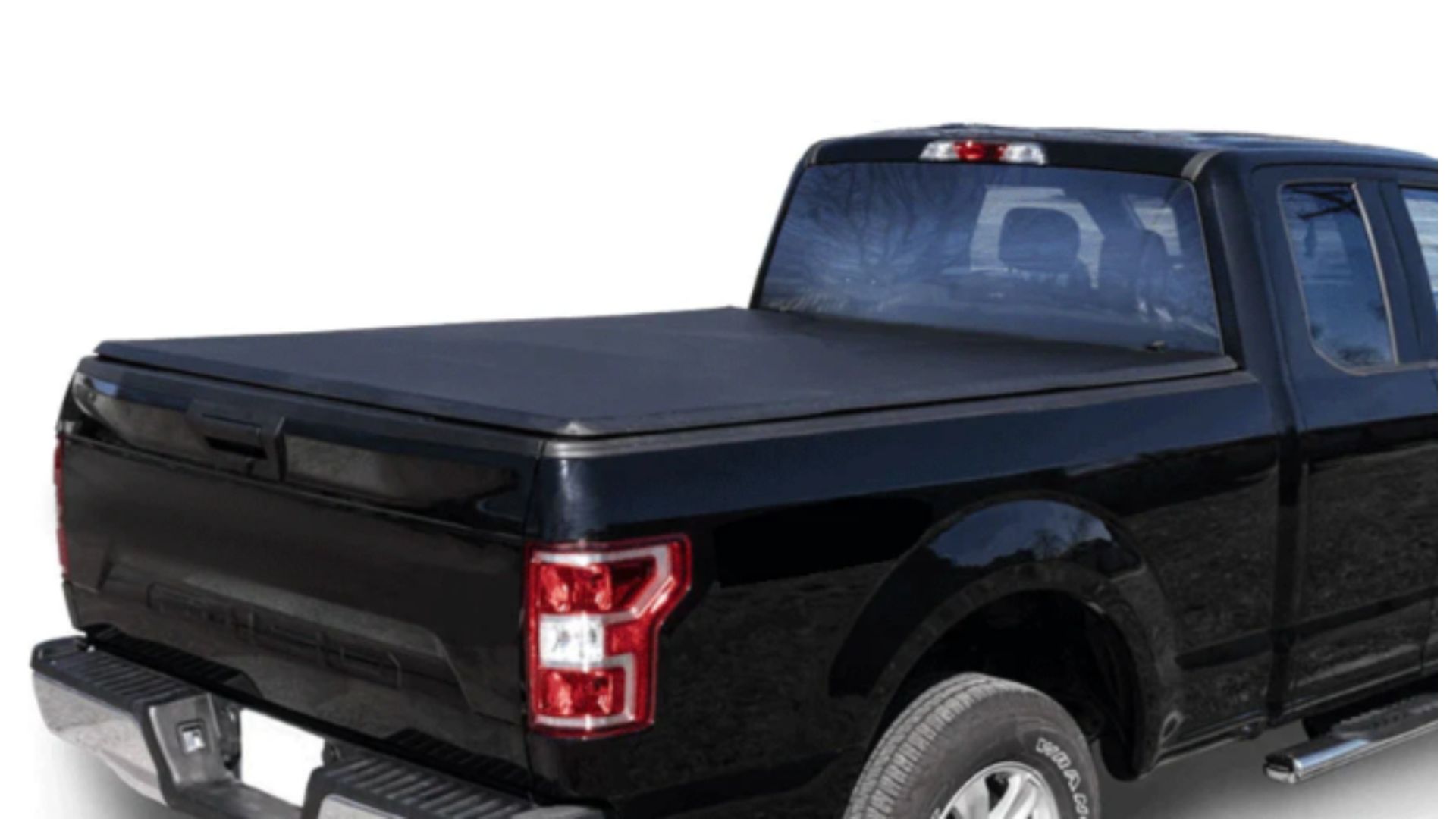
If you drive your truck daily and need real security, weather protection, and easy access without gimmicks, a hard tonneau cover is one of the best upgrades you can make. In this guide, I’ll walk you through exactly how to choose the right hard cover for everyday use—based on how these covers actually perform in the real world, not just marketing specs.
Why a Hard Tonneau Cover for Daily Driving?
Hard tonneau covers aren’t just “nicer looking” than soft ones—they solve specific everyday problems:
Security: Hard panels resist cutting and prying far better than vinyl. Research shows locking hard covers can reduce cargo theft incidents by up to 79%, and trucks with covers see about 70% fewer insurance claims.
Weather sealing: Quality hard covers use EPDM perimeter seals and dual-action tailgate seals that keep rain, dust, and road spray out much better than soft roll-ups.
Durability: Aluminum and reinforced composite panels hold up to sun, snow loads, and minor impacts without sagging or stretching like fabric.
Fuel economy: Real-world tests show hard folding and retractable covers can improve highway MPG by roughly 1.4–6% depending on truck and driving style.
Visit... https://bisontonneaucovers.com/collections/hard-covers
If your truck is a daily workhorse, those benefits compound quickly.
Step 1: Decide Which Hard Cover Type Fits Your Routine
There are three main hard cover styles. Each has trade-offs that matter more for everyday use than you might think.
Hard Folding (Tri-Fold / Quad-Fold)
How it works: Rigid aluminum or composite panels fold up toward the cab in 2–4 sections.
Best for:
Maximum security on a budget
Heavy snow or harsh climates
People who don’t need full bed access every single day
Pros:
High security: Hard folding covers are about 89% more effective than soft covers against opportunistic theft, according to ASTM-style testing cited in 2025 reviews.
Strong load rating: Many support 300–500+ lbs of static weight when evenly distributed.
Good value: Typically $600–$1,000, roughly half the price of premium retractables.
Cons:
Blocks rear window when fully folded up.
Partial bed access unless you fully fold it.
Real-world note: In my experience, hard folders are the “set it and forget it” option for contractors and tradespeople who want strong security without fiddly mechanisms.
Retractable Hard (Manual or Powered)
How it works: Interlocking aluminum slats slide into a canister at the front of the bed.
Best for:
Frequent, varied bed access (tools one minute, full-length lumber the next)
People who want a clean, low-profile look and don’t mind paying more
Users planning roof racks or overland setups (T-slot systems)
Pros:
Excellent security: Blocks about 95% of quick breaches in Car and Driver-style testing; breach time often 5–10+ minutes with power tools.
Full, adjustable access: Locks in any position along the bed.
Rack-friendly: Models like the RetraxPRO XR integrate T-slot rails for crossbars and overland racks.
Cons:
Canister uses 10–12 inches of bed space at the front.
Higher cost: Usually $1,000–$2,500+ depending on brand and features.
Slightly more complex installation and maintenance.
Real-world note: If you’re constantly in and out of the bed and value quick, one-handed access, retractables feel worth the premium—especially if you plan to add racks later.
Hard Roll-Up (Aluminum Slats)
How it works: Aluminum slats roll up into a low-profile bundle at the front, without a big canister.
Best for:
Security + full bed access without a bulky canister
Owners who want a hard cover but hate the look/size of retractable canisters
Pros:
Strong security with zero window obstruction when rolled.
Full bed access like a soft roll-up, but with hard-panel protection.
Cons:
Typically more expensive than standard soft options.
Slight rear view block when fully rolled, depending on design.
Step 2: Match the Cover to Your Truck and Bed
Fitment is where many people go wrong. A “universal” mindset leads to leaks, rattles, and premature wear.
Check Exact Year, Make, Model, and Bed Length
Verify your truck’s year, model, cab style, and bed length (e.g., 5'7", 6'4", 8').
Pay attention to special bed types:
Ram Multi-Function Tailgate
GMC CarbonPro composite beds
Ford bed rail caps or factory track systems
Manufacturers publish fitment charts for each cover. For example, Retrax lists specific part numbers for 2023–2026 Chevy Colorado/GMC Canyon 5'2" beds and calls out CarbonPro compatibility. BAKFlip MX4 has separate installation sheets for Silverado/Sierra EV and other configurations.
Tip: If you’re between model years or have a mid-cycle refresh, check the manufacturer’s fitment guide directly rather than relying on a generic retailer listing.
Decide: Clamp-On vs. Drill-Mount
Most modern hard covers use clamp-on rails that bolt to your existing bed rails—no drilling required.
Clamp-on systems (e.g., BAKFlip MX4, RetraxPRO XR) use stainless steel clamps and hex bolts to secure side rails.
Drill-mount may be required for some one-piece or custom setups, but it’s rare for mainstream hard folders and retractables.
For everyday trucks, clamp-on is usually the best balance of security and reversibility.
Step 3: Evaluate Security Features That Actually Matter
Not all “locking” covers are equally secure. Look for these specifics:
Panel and Slat Construction
Aluminum panels (often 0.75–1.5 mm thick) resist punctures and prying far better than thin composite or plastic.
Popular Mechanics benchmark testing in 2026 found hard folding covers provide about 3x the puncture resistance of soft vinyl, while retractable aluminum covers reach nearly 5x.
Locking Mechanism
Tailgate-integrated locks: Many hard folders lock automatically when the tailgate is locked (e.g., BAKFlip MX4 dual-action tailgate seal and latching system).
Keyed or keyless retractable locks: Retractable covers often use a keyed lock at the rear panel or a keyless handle that locks the slats in place.
Data from cargo security studies shows:
Locking tonneau covers can reduce cargo theft incidents by up to 79%.
When paired with tailgate locks, effectiveness rates reach around 92% according to the National Cargo Security Council.
Realistic Breach Times
Understanding how long it takes to breach a cover helps set expectations:
Soft covers: 30–60 seconds with a knife.
Hard folding: 2–5 minutes with a crowbar.
Retractable/one-piece hard: 5–10+ minutes, often requiring power tools.
For everyday use, that delay is often enough to make a thief move on.
Step 4: Consider Load Capacity and Rack Plans
If you carry heavy gear or plan to add racks, load ratings matter.
Static vs. Dynamic Load
Static load: Weight sitting on the cover when the truck is parked (e.g., snow, gear).
Dynamic load: Weight while driving (e.g., rooftop tent, rack cargo).
Examples from manufacturer
RetraxPRO XR:
Up to 500 lbs static load evenly distributed on the aluminum slats.
With a rack system like Yakima Overhaul HD, dynamic load capacity can reach around 1,500 lbs when properly distributed, though the cover-plus-rack system itself is often rated around 125–300 lbs dynamic depending on configuration.
Hard folding covers: Commonly rated for 200–600 lbs static, depending on brand and panel design.
If you plan to run a roof-top tent, bikes, or kayaks, a T-slot retractable (like RetraxPRO XR) or a hard folder with confirmed rack compatibility is essential. Always check both the cover and rack manufacturer’s load tables before buying.
Step 5: Don’t Overlook Installation and Maintenance
A hard cover that’s poorly installed or neglected will leak, rattle, and wear out early.
Installation Reality Check
Most hard covers can be installed in 30–60 minutes with basic hand tools and two people:
BAKFlip MX4: Many customers complete installation in under 30 minutes using the clamp-on rail system and a standard hex wrench.
RetraxPRO XR: Typically requires two people to lift the canister assembly (about 70–90 lbs), align rails, clamp, attach drain tubes, and test retraction several times.
UnderCover and similar: No-drill clamps allow setup in under 30 minutes for most users.
Key steps that affect long-term performance:
Clean bed rails thoroughly before installing rails.
Ensure rails are square and level before tightening clamps.
Route drain tubes correctly (for retractables) to avoid water pooling.
Test open/close cycles multiple times to confirm smooth operation and proper latch engagement.
If you’re not comfortable doing this yourself, many dealers and truck accessory shops offer professional installation—often required to keep full warranty coverage on rack/cover combos.
Maintenance That Extends Life
Hard covers are low-maintenance, but not no-maintenance.
Routine care:
Hose off loose dirt in the shade to prevent streaking.
Wash with mild automotive soap and water; avoid bleach, acids, or harsh degreasers.
Rinse thoroughly and air-dry; gently pat stubborn spots instead of scrubbing hard.
Seasonal tips:
In winter, clear snow with a soft broom or push broom to avoid scratching and overloading. Some hard covers support very high snow loads (up to 2,000 lbs on certain models), but it’s still wise to clear heavy accumulations regularly.
Inspect seals and latches a few times per year; clean EPDM seals with soapy water and, if needed, a rubber protectant to prevent drying and cracking.
Proper care directly affects how long your cover stays watertight and secure.
Step 6: Compare Warranty and Long-Term Value
Warranty terms tell you a lot about how much a manufacturer stands behind their product.
Typical warranty structures:
BAKFlip MX4: Around 3–5 years covering defects in materials and workmanship for panels, hinges, and hardware; finish often covered separately against fading, peeling, and cracking under normal use.
RetraxPRO XR / MX: “Legendary Lifetime Warranty” for the original owner against defects in materials and workmanship; replacements issued at no cost for the life of the cover.
UnderCover and similar: Often offer limited lifetime or multi-year warranties depending on the model line.
When you factor in:
70% fewer insurance claims for trucks with covers
1.4–6% fuel savings on highway driving
Strong theft deterrence (up to 79–92% reduction with locking systems)
a quality hard cover often pays for itself over a few years, especially if you carry valuable tools or gear.
Common Mistakes to Avoid
Based on what I see repeatedly in forums and buyer reviews:
Buying purely on price: Cheap hard covers often skimp on seal quality, latch strength, and panel thickness—leading to leaks and rattles within a year.
Ignoring bed rail type: Factory bed caps, rail systems, and composite beds can change how clamps fit. Always confirm compatibility with your exact bed configuration.
Overloading without checking ratings: Putting a heavy rack or gear on a cover not rated for dynamic load can void warranties and damage the cover.
Skipping maintenance: Dirty seals and neglected drains cause most “leaky cover” complaints, not the cover design itself.
A Simple Decision Framework
If you’re still unsure, ask yourself:
How often do I need full, unobstructed bed access?
Daily or multiple times a day → lean retractable or hard roll-up.
A few times a week or less → hard folding is usually enough.
What am I protecting?
High-value tools/equipment → prioritize hard folding or retractable with strong locks.
General cargo, sports gear → any quality hard cover will help, but security specs still matter.
Do I plan to add racks or overland gear?
Yes → T-slot retractable (e.g., RetraxPRO XR) or a hard folder with confirmed rack compatibility.
No → hard folding gives the best security-to-price ratio.
What’s my realistic budget over 5+ years?
If you plan to keep the truck, investing in a higher-end hard cover with a strong warranty often costs less per year than replacing a cheap one twice.
Final Thoughts
Choosing a hard tonneau cover for everyday truck use isn’t about finding the “best” cover in a vacuum—it’s about matching the cover type, security level, load capacity, and warranty to how you actually use your truck day to day.
Start with your routine (access needs, cargo value, rack plans), then narrow by fitment and reputable brands with clear installation instructions and solid warranties. Done right, a hard tonneau cover is one of those rare upgrades that makes your truck more secure, more efficient, and easier to live with every single day.