Dr's Secret Bio Herbs Coffee: Claims, Evidence, Safety, and How to Evaluate
-
- March 16th, 2026
- 260 views

FREE SEO Topical Map Generator: Find Your Next Content Ideas
Dr's Secret Bio Herbs Coffee claims: what the product says and what to check
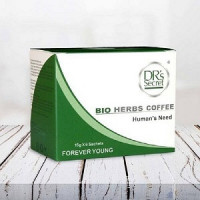
Dr's Secret Bio Herbs Coffee claims to combine coffee with herbal extracts for wellness benefits such as increased energy, improved digestion, or reduced stress. This article explains those claims, reviews common ingredients, and gives a practical checklist for evaluating the product's safety and evidence.
Detected intent: Informational
Understanding Dr's Secret Bio Herbs Coffee claims
Claims often fall into categories: energy/alertness (from caffeine), digestive support (from herbs like ginger or fennel), adaptogenic effects (from herbs described as adaptogens), and general wellness (antioxidant content). An evidence-based approach treats each claim separately and asks: what ingredient supports it, what dose is used, and what clinical data exists?
What the label typically lists
- Roasted coffee or instant coffee base (source of caffeine and antioxidants)
- Herbal extracts (examples: ashwagandha, ginger, turmeric, ginseng, cinnamon)
- Flavorings, sweeteners, or additional botanicals
How claims map to evidence
Not all herbs have the same quality of research. For example, some adaptogens have small clinical trials suggesting stress-related benefits, while other botanicals are supported only by laboratory or animal data. Regulatory oversight for herbal supplements differs from pharmaceuticals in many countries, so label claims are often general.
HERB Safety & Evidence Checklist (named framework)
Use the HERB Safety & Evidence Checklist to assess any herbal coffee product before regular use.
- H: Herb identity — Are full botanical names and standardized extract ratios listed?
- E: Evidence — Is there human clinical trial data for the claimed benefit at the listed dose?
- R: Risks — Are known side effects, contraindications, and interactions listed on the label?
- B: Batch transparency — Is third-party testing, lot number, or certificate of analysis available?
Practical quick checks
- Look for full ingredient lists and amounts (not just proprietary blends).
- Search for clinical studies on the specific herb and the specific dose used.
- Confirm the caffeine content if stimulant effects are a concern.
Common ingredients and what they may do
Typical components include coffee (caffeine), adaptogens (ashwagandha or rhodiola), spices (cinnamon, turmeric), and digestive herbs (ginger, fennel). Each brings different mechanisms: caffeine for stimulation, phytochemicals for antioxidant activity, and certain herbs for potential stress-modulating effects. However, evidence varies by ingredient and formulation.
Secondary keyword note
Investigate herbal coffee ingredients and herbal coffee side effects individually rather than assuming the blend produces the same effects as isolated ingredients.
Real-world example: evaluating a single packet
Scenario: A consumer receives a single-serve packet labeled as "coffee plus ashwagandha and turmeric" promising "calm energy." Apply the HERB checklist: confirm ashwagandha type and mg per serving, check turmeric extract and whether it's bioavailable (e.g., with piperine), look for third-party testing, and compare the ashwagandha dose to doses used in clinical trials. If the ingredient amounts are far below effective trial doses, the claimed benefit is unlikely at that serving size.
Safety, regulation, and a trusted resource
Herbal blends are regulated differently than drugs in many jurisdictions. For safety and interaction guidance, consult official sources such as the National Center for Complementary and Integrative Health: NCCIH - Herbs and Supplements. That site summarizes common herb safety issues and research quality.
Practical tips (actionable)
- Compare ingredient amounts to doses used in human studies before expecting the same effect.
- Check for potential interactions with prescription drugs — talk to a clinician or pharmacist if taking blood thinners, antidepressants, or blood pressure medications.
- Start with one serving to assess tolerance, especially when caffeine plus herbs may amplify effects.
- Prefer products that publish third-party testing or certificates of analysis for contaminants and potency.
Trade-offs and common mistakes
Trade-offs: herbal blends can add flavor and potential benefits but may dilute active doses versus standalone supplements. Consumers often assume "natural" means safe — that is a common mistake. Not measuring dose, ignoring interactions, and trusting vague label claims are frequent errors. Another trade-off is taste versus potency: flavored blends may contain fillers or added sugars that reduce the concentration of active botanicals.
Core cluster questions
- What ingredients are commonly used in herbal coffee blends and what do they do?
- How to check if an herbal coffee's claims are backed by clinical evidence?
- What are the potential interactions between herbal coffee and prescription medications?
- Which safety tests or certifications matter for botanical coffee products?
- How to compare herbal coffee to taking individual herbal supplements?
When to consult a professional
Seek medical advice if pregnant, nursing, managing a chronic condition, or using medications with known herb interactions. A pharmacist or clinician can review ingredient lists and identify risks related to blood pressure, bleeding risk, or metabolic interactions.
Bottom line
Dr's Secret Bio Herbs Coffee claims combine coffee benefits with herbal effects; however, the real impact depends on ingredient identity, dose, and quality control. Use the HERB Safety & Evidence Checklist, consult trusted resources, and apply the practical tips above to make an informed choice.
What are Dr's Secret Bio Herbs Coffee claims?
This product's label may claim increased energy, digestive comfort, reduced stress, or general wellness depending on the herbs included. Verify each claim by checking ingredient amounts and whether human studies support the specific effect at those doses.
Are herbal coffee ingredients safe?
Safety varies by herb, dose, and individual health. Some herbs are well tolerated in common doses, while others can interact with medications or cause adverse effects. Consulting official sources and a healthcare professional is advised for personalized guidance.
How to tell if the product has real clinical evidence?
Look for published human clinical trials that use the same botanical form and dose listed on the product label. Absence of such studies means the claim is unsupported by direct clinical evidence.
Can herbal coffee cause side effects or interactions?
Yes. Herbal coffee side effects can include increased heart rate, gastrointestinal upset, headaches, or interactions with drugs (for example, herbs affecting blood clotting or liver enzymes). Review ingredients and consult a clinician when in doubt.
How should consumers evaluate marketing claims for herbal coffee?
Check ingredient transparency, clinical evidence, third-party testing, and safety information. Avoid assuming benefits without dose-appropriate research and be cautious of broad or therapeutic-sounding claims that lack scientific support.