How a Dubai Property Advisor Helps Buyers Evaluate Long-Term Property Value
-

- Published Updated
- 71 views
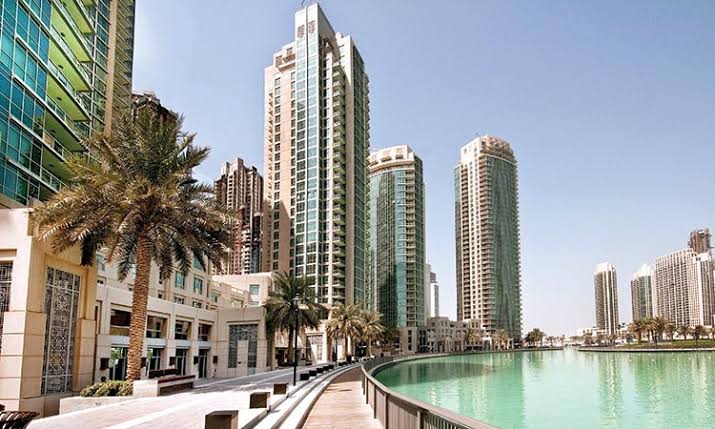
A property purchase can influence a buyer’s finances and daily life for years, so the decision should go beyond attractive interiors or a tempting introductory price. Buyers need to consider construction quality, practical layouts, community facilities, recurring expenses, and the possibility that their needs may change. A Dubai property advisor can help organise these questions into a clear evaluation process, allowing buyers to compare homes based on evidence rather than first impressions.
Look at Functionality, Not Just Finishing
During a viewing, it is easy to focus on flooring, kitchen finishes, lighting, and the view. These details matter, but they should not distract from the property’s everyday usability. Check room sizes, storage, natural light, ventilation, privacy, parking, and access to shared facilities. Consider whether the layout will still work if your household or routine changes.
For a completed home, inspect visible signs of wear and ask about maintenance history where available. For a property that is still being built, review the specifications and contractual descriptions carefully instead of assuming promotional images show the final result.
A Dubai property advisor can help buyers create a consistent inspection checklist and identify questions that require a technical professional. A viewing is not a substitute for an appropriate inspection or a review of the legal documents.
Consider the Building as Well as the Unit
Shared areas can affect comfort and ongoing costs. Ask about building management, lift maintenance, parking arrangements, security, waste collection, and the condition of communal facilities. A beautifully presented apartment may still be less suitable if its management arrangements or recurring charges do not fit the buyer’s expectations.
Study the Community’s Long-Term Practicality
A property’s surroundings influence how useful it remains over time. Check transport options, road access, grocery stores, healthcare, schools, leisure facilities, and typical travel times to places you visit regularly. If you are buying from overseas, arrange a live viewing or ask a trusted local representative to check the area at different times.
Future development can sometimes improve a location, but proposed infrastructure and planned amenities should be verified. Do not assume that every announced project will be completed on the expected schedule or that it will automatically increase property prices.
A Dubai property advisor should distinguish between current facilities, confirmed plans, and speculation. Buyers can then decide whether the location works for their own lifestyle or investment goals without depending on optimistic predictions.
Calculate the Full Cost Before Comparing Prices
Two properties with similar asking prices can have different ownership costs. Transfer and registration charges, agency fees, financing costs, service charges, maintenance, insurance where applicable, furnishing, and repairs may all affect affordability. For a rental property, management fees and periods without tenants also need to be considered.
Before you Buy property in Dubai, request a written breakdown of the expected one-time and recurring expenses. If a mortgage is involved, speak to a suitable lender about eligibility, deposit requirements, interest terms, and monthly repayments. Keep a reserve for unexpected costs instead of allocating the entire budget to the purchase.
An Investment property should be assessed using realistic income and expense assumptions. Compare expected rent with ongoing charges, repairs, management costs, and possible vacancy. Gross rental yield alone does not show the owner’s final return, and future appreciation is never guaranteed.
Compare Potential Resale Appeal Carefully
Buyers who may sell in the future should consider what could make a property practical for a wider group of future purchasers. Useful layouts, reasonable running costs, convenient transport, access to services, and a well-maintained building may matter to future buyers. However, no single feature guarantees resale demand or a particular selling price.
Review comparable properties and consider how long they have been listed, where reliable data is available. Ask whether the asking price reflects the property’s actual condition, size, location, and building expenses. Avoid treating a seller’s prediction of future value as established fact.
A Dubai property advisor can help structure a comparison of available options, but buyers should review the evidence themselves and consider independent valuation advice when appropriate. For Dubai property investment, compare several realistic scenarios rather than relying on one expected outcome.
Understand Ready and Off-Plan Choices
Completed properties offer the opportunity to inspect the actual unit, building, and surrounding area. Buyers may be able to assess maintenance, access, and immediate usability before proceeding. The property may also be suitable for occupancy or rental sooner, depending on the transaction.
Off-plan developments may offer staged payments and a choice of units, but the buyer needs to understand the developer’s track record, project details, construction progress, payment milestones, and contract terms. Completion dates can change, and market conditions may be different by the time the property is ready.
When comparing ready vs off-plan Dubai options, consider your time horizon, available funds, and ability to manage uncertainty. A Dubai property advisor can explain the differences, while the buyer should verify the project through appropriate official channels and have important contractual terms reviewed.
Verify Documents and Relevant Registration Details
Before paying a deposit or signing an agreement, confirm the identity and authority of the parties involved and ensure the documents describe the correct property. Read the payment schedule, completion conditions, cancellation provisions, and any applicable charges. Ask for written explanations of unclear clauses.
RERA property verification Dubai may be relevant when checking applicable broker, project, or transaction information. Use the official channels appropriate to the specific check. RERA property verification Dubai is one part of due diligence and should not replace reviewing ownership documents, contracts, and the property’s actual condition.
For off-plan purchases, confirm relevant project and developer details. For completed homes, review ownership information and any outstanding charges that could affect the transaction. Seek qualified legal or technical advice if you do not understand a document or discover conflicting information.
Think About Management After Purchase
Long-term value also depends on how well a property is maintained. Owners should understand who handles repairs, how service requests are submitted, how building charges are collected, and what responsibilities fall to the owner. If the property will be rented, compare management providers and understand their fees, services, and contract terms.
Buyers living outside the UAE should plan how they will receive notices, pay bills, arrange inspections, and respond to urgent issues. Keep digital copies of contracts, receipts, approvals, and important communications in an organised location.
A Dubai property advisor can help buyers identify these practical questions before completion, but management arrangements should be confirmed directly with the relevant provider. Planning for ownership in advance can reduce confusion later.
Use a Consistent Method to Make the Final Choice
Compare shortlisted properties against the same criteria: total cost, condition, layout, location, ongoing charges, document status, and suitability for your intended use. Record the strengths, limitations, and unanswered questions for each option. This approach can reveal trade-offs that may be overlooked when buyers compare homes based only on photographs or asking prices.
A Dubai property advisor can help organise this comparison, but the final decision should reflect the buyer’s budget, goals, and comfort with risk. Take time to verify claims and avoid committing simply because a seller says the opportunity is limited.
Conclusion
Evaluating long-term property value requires more than choosing an attractive home or expecting prices to rise. Buyers should inspect practical features, research the community, calculate the complete cost of ownership, verify documents, and plan for future maintenance. These steps help create a more balanced view of a property’s advantages and limitations.
Whether the goal is to Buy property in Dubai for personal use or consider Dubai property investment, the decision should be based on current evidence and realistic assumptions. Compare ready vs off-plan Dubai options carefully, complete the relevant RERA property verification Dubai checks, and remember that rental income and resale prices are not guaranteed. A Dubai property advisor can help buyers organise their research, but independent verification remains essential. An Investment property should be chosen with realistic expectations about costs, demand, and uncertainty. A well-researched decision can help buyers select a property that suits their needs and financial plans over time.