PRP Hair Treatment in Dubai: Natural, Clinically Supported Options and Checklist
-
- March 13th, 2026
- 636 views

FREE SEO Topical Map Generator: Find Your Next Content Ideas
PRP hair treatment Dubai is a minimally invasive option that uses a patient’s own platelets to support scalp health and stimulate hair follicles. This guide explains how PRP works, what to expect in Dubai clinics, the evidence and safety considerations, and a practical checklist for choosing and preparing for treatment.
- PRP uses concentrated platelets from the patient’s blood to deliver growth factors to the scalp.
- Typical courses are 3 monthly sessions, then maintenance every 3–6 months.
- Choose a medically supervised clinic with clear platelet-preparation protocols.
Commercial Investigation
PRP hair treatment Dubai: how it works and who benefits
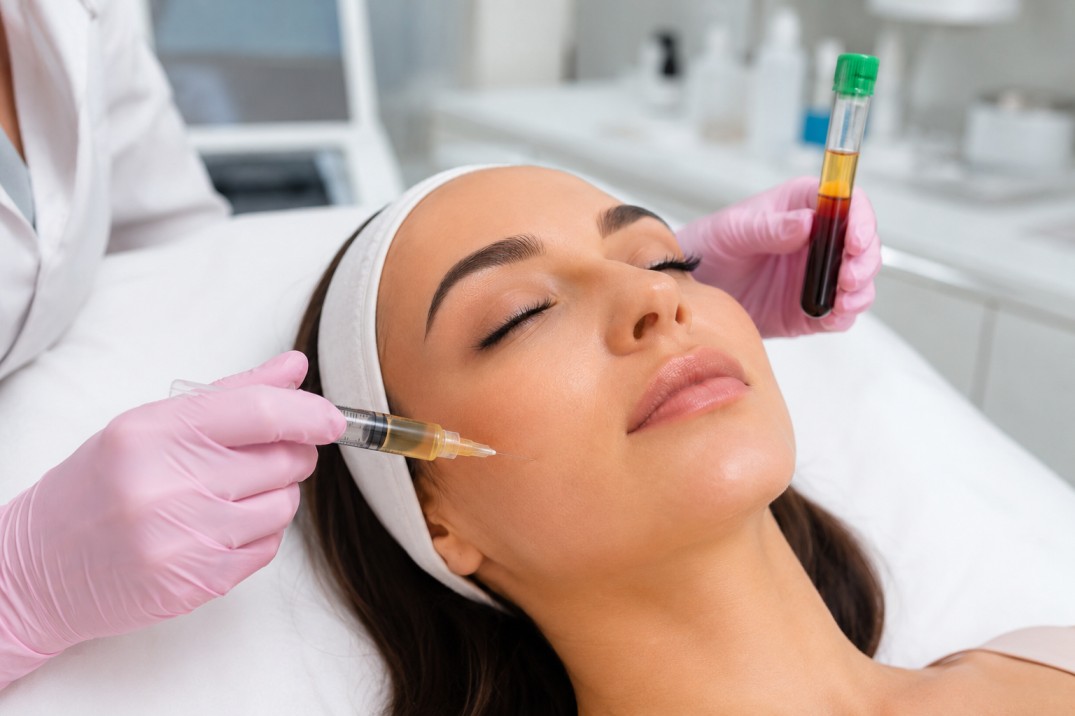
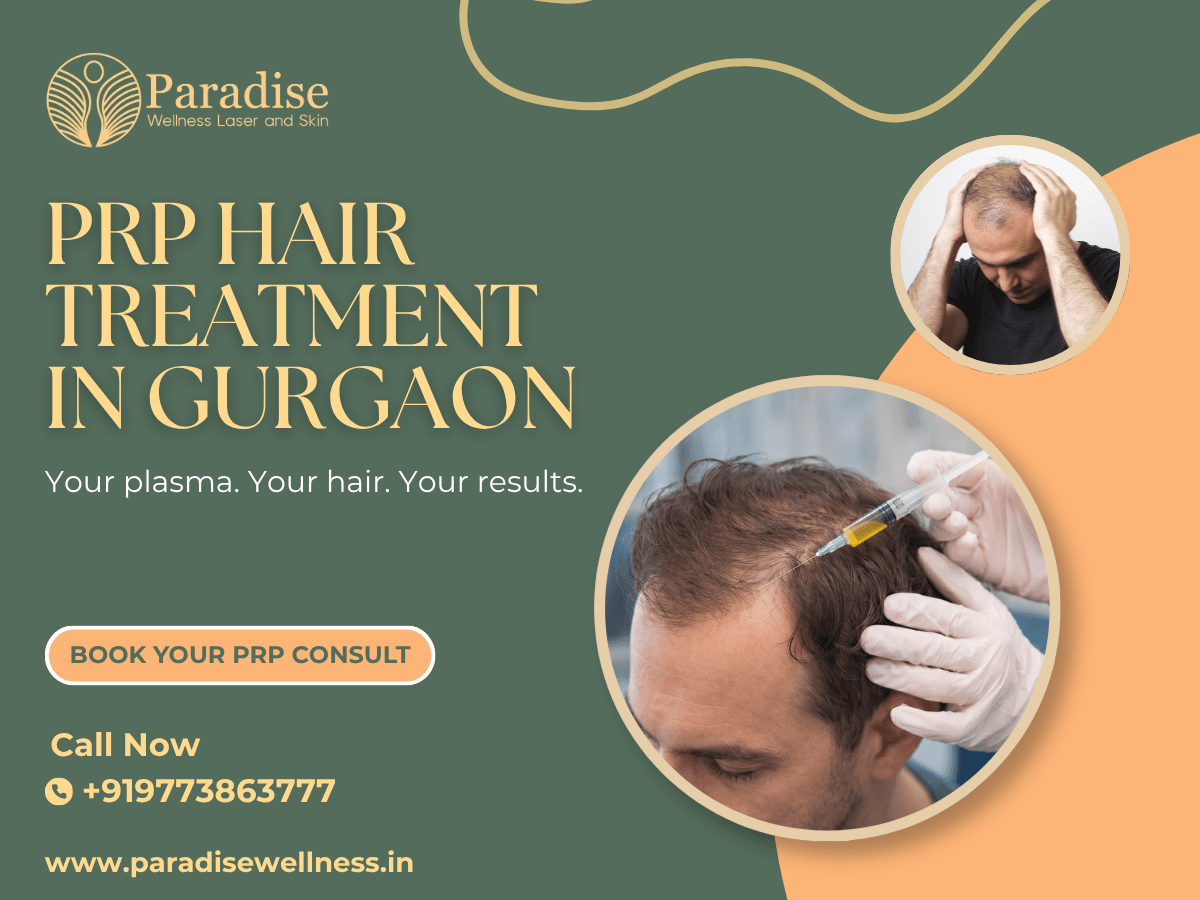
Platelet-rich plasma (PRP) is created by centrifuging a blood sample to concentrate platelets and growth factors. Injected into the scalp, PRP aims to improve hair density and slow progression of common hair loss types such as androgenetic alopecia and thinning related to chronic telogen effluvium. Suitable candidates typically include people with early to moderate hair loss and intact hair follicles. PRP is not a cure-all and works best when combined with a broader hair-loss management plan.
What to expect during treatment
Pre-treatment assessment
A medical history, scalp and hair assessment, and baseline photos are standard. Discuss medications, bleeding disorders, and expectations. Clinics in Dubai should document platelet count and the PRP preparation method.
Typical session outline
- Blood draw (about 10–20 ml).
- Processing in a centrifuge to separate platelets.
- Scalp cleansing and local anesthesia as required.
- Injections across the thinning areas; session lasts 30–60 minutes.
Evidence, safety, and standards
Clinical studies show variable but generally positive results for PRP in androgenetic alopecia when protocols are standardized. Safety is favorable because PRP uses autologous blood, which reduces allergy risk. Key variables include platelet concentration, activation method, injection depth, and session frequency. For an authoritative overview of PRP and hair restoration best practices, see the International Society of Hair Restoration Surgery guidance: ISHRS — Platelet-Rich Plasma.
Costs and practical considerations in Dubai
Prices in Dubai vary by clinic, number of sessions, and whether additional treatments (microneedling, topical prescriptions) are included. Expect to compare clinics on:
- Physician qualifications and experience.
- Laboratory documentation of platelet counts and concentration protocol.
- Before-and-after results and standardization of follow-up.
PRP CARE Checklist (named framework)
Use the PRP CARE Checklist before booking or undergoing treatment:
- Pre-screening: medical history, scalp diagnosis, photos.
- Reporting: documented platelet count and kit/spec details.
- Protocol: session frequency, volume injected, activation method.
- Clinician: licensed physician or trained injector with hair-loss experience.
- Aftercare: realistic timeline, side-effect plan, and maintenance schedule.
- Review: documented follow-up and outcome metrics at 3–6 months.
- Education: written consent and explanation of alternatives (topicals, oral meds, transplant).
Real-world example
A 35-year-old with early male-pattern thinning booked a course of three monthly PRP sessions. Baseline photos and a scalp assessment were recorded. After three sessions, subtle improvement in hair density and reduced shedding were documented at the 6-month review. Ongoing maintenance sessions were scheduled every 4–6 months alongside a topical therapy for consistent results.
Practical tips
- Confirm the clinic documents platelet concentration and centrifuge method; not all PRP is the same.
- Ask to see standardized before-and-after photos with timepoints and consistent lighting.
- Avoid clinics that promise guaranteed regrowth or pressure immediate multi-session packages without assessment.
- Plan for a minimum three-session course spaced 4–6 weeks apart to assess initial response.
Trade-offs and common mistakes
Trade-offs
PRP is low-risk and uses the patient’s blood, but results are slower and less predictable than surgical hair restoration. Combining PRP with medical therapies increases complexity and cost but often improves outcomes.
Common mistakes to avoid
- Skipping a medical evaluation—some hair loss requires hormonal or dermatologic treatment first.
- Choosing price over documented protocols—cheap PRP with unknown platelet levels is common.
- Expecting immediate or dramatic regrowth—improvements are gradual over months.
Core cluster questions
- How many PRP sessions are typically needed for measurable improvement?
- What is the difference between PRP and other injectable scalp therapies?
- How are PRP results measured and documented in a clinic?
- Can PRP be combined safely with topical or oral hair-loss medications?
- What follow-up and maintenance schedule gives the best long-term outcome?
Choosing a clinic in Dubai
Prioritize clinics where a licensed physician performs the assessment, the PRP preparation is documented, and follow-up outcomes are measured. Verify that infection control, consent, and adverse-event protocols are in place.
When to seek medical alternatives
If hair loss is rapid, patchy, or accompanied by scalp symptoms (severe itching, pain, scarring), consult a dermatologist; PRP may not be appropriate for inflammatory or scarring alopecias.
FAQ: Is PRP hair treatment Dubai suitable for everyone?
PRP can help many people with early to moderate non-scarring hair loss, but suitability depends on scalp condition, medical history, and realistic expectations. A medical assessment is required.
How long until results are visible from PRP hair treatment Dubai?
Early changes in shedding may be noticed within 2–3 months; measurable density improvements typically appear between 4–6 months after the initial course. Individual response varies.
Does PRP for hair loss Dubai clinic treatment hurt and are there side effects?
Local anesthesia or topical numbing reduces discomfort. Side effects are usually minor—temporary redness, swelling, bleeding at injection sites—and more serious complications are rare when performed by trained clinicians.
Can PRP be combined with other treatments?
Yes. PRP is often combined with topical treatments, low-level laser therapy, or microneedling. Combining with oral medications may increase effectiveness but requires medical oversight.
How to verify a clinic’s PRP protocol?
Ask for written descriptions of the centrifuge kit, platelet counts before and after concentration, session frequency, and documented follow-up photos with timepoints.