Dubai Weight Loss Injections — Costs, Effectiveness, and Practical Considerations
-

- February 23rd, 2026
- 1,238 views

FREE SEO Topical Map Generator: Find Your Next Content Ideas
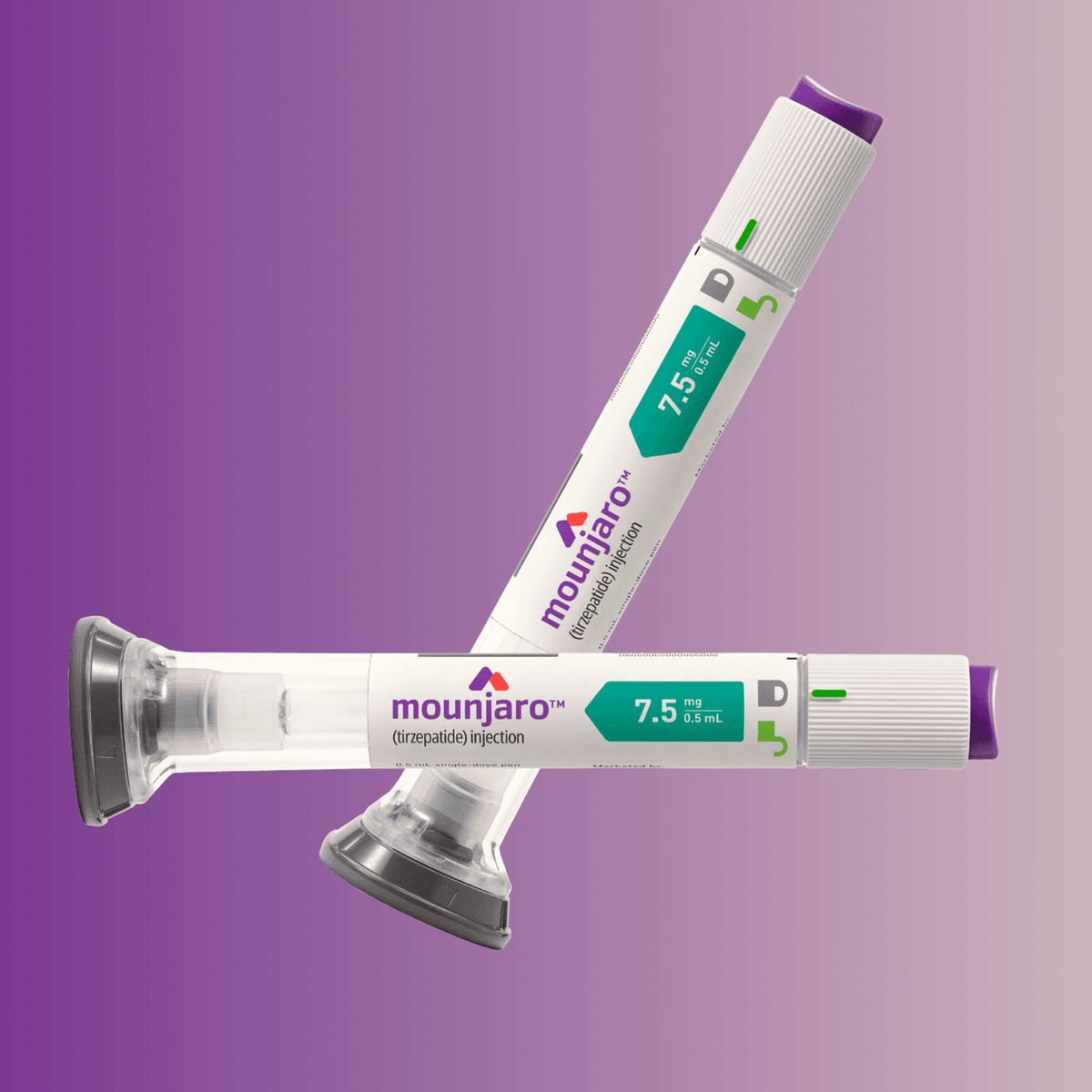
Interest in Dubai weight loss injections has grown as several injectable medications and treatment programs for weight management have become more widely available. This article examines typical cost components, reported outcomes from clinical studies and real-world use, safety considerations, and practical steps for comparing options in Dubai.
- Costs vary by medication type (GLP-1 receptor agonists are commonly used), dosage, clinic fees and follow-up care.
- Clinical trials show several injectable drugs can reduce weight; real-world results depend on adherence, lifestyle change and medical supervision.
- Safety, regulatory oversight and qualified clinical teams matter; check local regulators and documentation.
Dubai weight loss injections: cost overview
Costs for injections in Dubai reflect multiple factors: the active medication, whether the dose is daily or weekly, clinic consultation fees, laboratory tests, and ongoing follow-up. Some clinics bundle medication with a program that includes dietitian visits and monitoring, while others charge separately for each component. These combined elements determine the total cost over weeks or months.
Cost components to expect
Typical components include:
- Medication cost (varies by class and dose)
- Initial physician consultation and eligibility assessment
- Baseline and follow-up blood tests (for safety monitoring)
- Administration fees if injections are given in-clinic
- Ongoing follow-up appointments, lifestyle counselling or weight-management programs
How injectable weight-loss treatments work
Pharmacology and expected effects
Many modern weight-loss injections used globally act on pathways that regulate appetite and metabolism; a commonly referenced class is GLP-1 receptor agonists. Clinical trials published in peer-reviewed journals report average body-weight reductions over months when medication is combined with lifestyle interventions. Results vary by individual baseline body mass index (BMI), dose, adherence and metabolic factors.
Difference between clinical trial results and real-world outcomes
Controlled trials provide useful benchmarks for efficacy and safety, but outcomes in routine clinical practice can be lower or higher depending on patient selection, the level of multidisciplinary support (nutrition, exercise, behavioural therapy), and monitoring for side effects.
Comparing cost vs. results
Evaluating value
Value assessment pairs the financial cost with expected clinical outcomes and non-financial benefits such as improved metabolic markers, reduction in obesity-related symptoms and quality-of-life changes. Longer-term benefit depends on continued therapy and lifestyle adjustments; stopping medication often leads to some degree of weight regain unless other measures are maintained.
Factors that influence the balance
- Medication class and dose (weekly vs daily injections)
- Baseline health status and comorbidities
- Availability of allied services (dietitians, exercise physiologists, behavioural support)
- Duration of treatment and follow-up
Safety, regulation and choosing a clinic
Regulation and oversight
Regulatory oversight and licensed practitioners reduce risk. Local regulators set rules for prescribing and administering prescription medications; confirm that a clinic is licensed and that prescribers are registered with relevant professional bodies. For regulatory information in the UAE, consult the Dubai Health Authority: Dubai Health Authority.
Monitoring and potential side effects
Common side effects reported with several injectable agents include gastrointestinal symptoms and, less commonly, laboratory abnormalities. Safety monitoring typically includes baseline tests and scheduled follow-ups. Discussing contraindications, medication interactions and monitoring requirements with a licensed prescriber is important before starting any medical treatment.
Practical steps when considering treatments in Dubai
Checklist before starting
- Confirm the prescriber’s credentials and clinic licensing
- Request an itemised cost estimate that includes medication, tests and follow-up
- Ask for evidence of likely outcomes and timelines, based on clinical data relevant to the medication class
- Ensure a written follow-up plan for monitoring and managing side effects
Questions to ask a clinic
- Which medication and dose are proposed, and why?
- What is the expected timeline for measurable weight change?
- Which baseline tests and ongoing monitoring will be provided?
- How are follow-ups scheduled and how are adverse effects handled?
Evidence and long-term considerations
Research context
Randomised controlled trials and systematic reviews published in medical journals are primary sources for assessing efficacy and safety. Long-term outcome data are still accumulating for newer agents, and durability of weight loss often depends on continued therapy or sustained lifestyle change.
Financial planning
Because injections may be a long-term expense, planning should account for medication costs, clinic visits and any supportive services. Some patients pursue time-limited courses with reassessment; others continue maintenance dosing under medical supervision.
Non-medical options
Weight management strategies also include nutritional interventions, physical activity programs and behaviour support; these may be recommended alongside or instead of medication depending on individual needs.
Conclusion
Weighing cost versus results for Dubai weight loss injections involves assessing medication type, clinic services, expected clinical outcomes and safety monitoring. Regulation, qualified clinical teams and transparent pricing help inform value. Combining medical treatment with lifestyle support is frequently associated with better long-term outcomes.
FAQ
Are Dubai weight loss injections effective?
Clinical trials show many injectable agents can produce clinically meaningful weight loss when combined with lifestyle interventions; individual results vary. Effectiveness in a local setting depends on medication choice, adherence, and the level of multidisciplinary support provided.
How much do injections typically cost in Dubai?
Costs vary widely. Total expense depends on the specific medication, dose frequency, clinic consultation fees, required tests and the length of the program. Request an itemised quote and ask what is included before starting treatment.
What safety checks are usually required?
Typical safety checks include a medical history review, baseline blood tests and periodic monitoring during treatment. Discuss known side effects, contraindications and monitoring plans with the prescriber.
How long should treatment last to see results?
Some individuals see measurable weight changes within weeks, with more substantial reductions over several months. Duration depends on the medication protocol, dose escalation schedules and individual response. Long-term maintenance strategies should be discussed with the treating clinician.
Where to verify clinic licensing and practitioner credentials?
Check local health regulators and professional boards for licensing information and practitioner registration. The Dubai Health Authority provides regulatory oversight and resources for healthcare services in Dubai.