E-commerce Ad Networks: How They Boost Conversions and Maximize ROI
-

- February 23rd, 2026
- 1,233 views

FREE SEO Topical Map Generator: Find Your Next Content Ideas
E-commerce ad networks and conversion growth: an overview
E-commerce ad networks connect retailers and advertisers to audiences across websites, apps, and connected platforms. E-commerce ad networks increase conversions by combining audience targeting, dynamic creative optimization, and measurement tools to move shoppers from awareness to purchase. The networks often integrate with merchant data, measurement partners, and demand-side platforms to deliver relevant ads at scale.
- E-commerce ad networks target high-intent shoppers using first-party and contextual signals.
- Tech features like dynamic creative and real-time bidding personalize ads and improve click-to-sale rates.
- Measurement, attribution, and A/B testing enable optimization of conversion rate and cost-per-acquisition.
- Privacy rules (GDPR, CCPA) and best practices affect tracking and require server-side or first-party strategies.
How e-commerce ad networks help increase conversions
Audience segmentation and targeting
Ad networks use demographic, behavioral, and purchase-intent signals to segment audiences. Segments can include cart abandoners, repeat purchasers, or lookalike audiences built from first-party data. Delivering ads to higher-intent groups typically raises conversion rates compared with untargeted campaigns.
Retargeting and sequential messaging
Retargeting reconnects visitors who showed interest but did not convert. Sequential messaging can present different creative and offers as a shopper moves through the consideration funnel, which often improves conversion likelihood compared with a single static ad.
Dynamic creative and product feeds
Dynamic creative optimization (DCO) and product feed integration let networks display the most relevant products, prices, and promotions in real time. Showing the specific product a user viewed or complementary items increases relevance and can shorten the path to purchase.
Real-time bidding and inventory reach
Programmatic real-time bidding (RTB) helps advertisers buy impressions at scale across publishers while targeting specific user segments. Broad reach combined with selective bidding on high-value impressions improves return on ad spend (ROAS) and overall conversions.
Key features that drive conversions
Attribution and measurement
Robust attribution models (last-click, multi-touch, incrementality testing) help identify which ads and channels actually drive conversions. Ad networks often provide pixel-based or server-to-server tracking and integrate with analytics platforms to report conversions and revenue. Industry measurement standards are documented by organizations such as the IAB, which can guide viewability and reporting practices.
Optimization and machine learning
Machine learning models optimize bids, placements, and creative combinations to prioritize conversions. Automated optimization reduces manual effort and can discover patterns in which inventory or messaging yields the best conversion rates.
Conversion-focused ad formats
Formats such as shoppable ads, rich media, and interactive units reduce friction by allowing users to see product details or add items to cart directly from the ad experience. These formats shorten the buyer journey and can increase conversion velocity.
Measurement, testing, and attribution approaches
A/B and multivariate testing
Regular A/B testing of creative, call-to-action wording, landing pages, and offers helps identify what drives the highest conversion rate. Multivariate testing can assess combinations of variables when more than one element changes.
Incrementality and lift testing
Incrementality testing (holdout groups, geo-experiments) estimates the causal impact of ads on conversions, distinguishing true lift from conversions that would have happened without advertising. This approach provides a clearer view of ad effectiveness than attribution alone.
Common conversion metrics
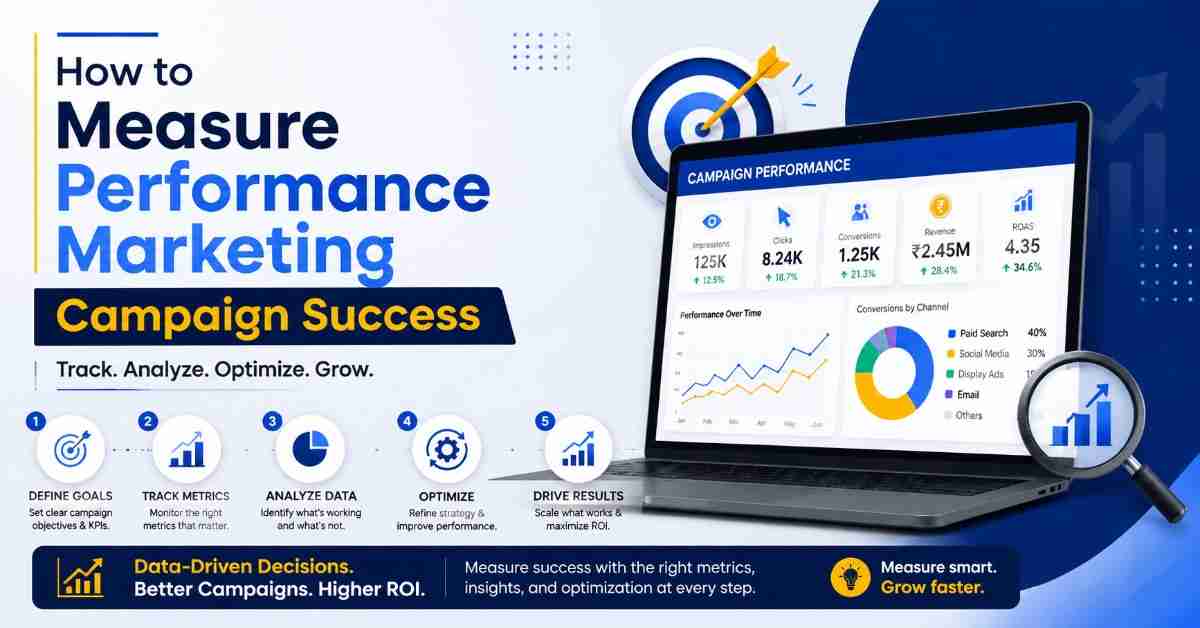
Key measures include conversion rate, cost per acquisition (CPA), return on ad spend (ROAS), average order value (AOV), and lifetime value (LTV). Tracking these over time enables optimization toward profitable conversions rather than just clicks or impressions.
Privacy, compliance, and data strategies
Privacy regulations and tracking changes
Privacy frameworks like GDPR and CCPA affect cookie use and data sharing. Ad networks and advertisers must adapt with strategies such as first-party data collection, server-side tracking, contextual targeting, and consent management.
Reducing fraud and ensuring viewability
Ad fraud and non-viewable impressions reduce conversion efficiency. Use viewability standards, fraud detection tools, and publisher vetting to focus spend on inventory that can legitimately produce conversions.
Implementation considerations for merchants
Integrating product feeds and analytics
Accurate product feeds and clear analytics integration are essential. Ensure catalog metadata, availability, and pricing are synchronized to prevent mismatches that can harm conversion rates and customer trust.
Choosing the right partner and KPIs
Select networks or solutions that support conversion-focused features—dynamic creative, attribution, data integration—and align on KPIs such as CPA or ROAS. Contracts should clarify data ownership, measurement methods, and privacy responsibilities.
FAQ
What are e-commerce ad networks and how do they work?
E-commerce ad networks are platforms that connect advertisers and retailers to ad inventory across publishers and apps. They use targeting signals, product feeds, and bidding systems to deliver relevant ads and track conversions through pixels, server-to-server events, or measurement integrations.
Can ad networks improve conversion rate for small online stores?
Yes. Smaller merchants can use ad networks to reach prospects with tailored messages, retarget past visitors, and use dynamic creatives to show relevant products. Effective measurement and careful budget control help ensure spend targets conversions rather than only clicks.
How do privacy rules like GDPR affect conversion tracking?
Privacy regulations restrict some tracking methods and require consent for personal data processing. Merchants should use consent management platforms, prioritize first-party data collection, and consider privacy-friendly tactics such as contextual targeting and server-side event tracking.
What metrics should be tracked to measure conversion impact?
Track conversion rate, CPA, ROAS, AOV, and LTV. Complement those with incrementality tests and attribution analyses to understand true lift from ad spend.