Behind the Credits: The Songwriting Work of E. Jerome Gordon III Across Artists and Platforms
-

- Published Updated
- 8,875 views

Building a Career Through Songwriting and Composition
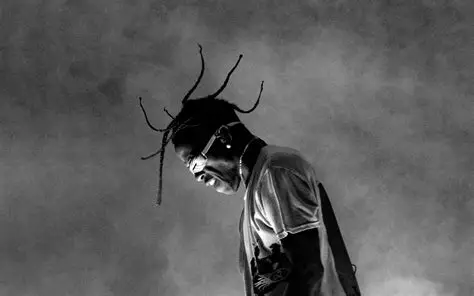
While many artists are recognized for what audiences see on stage or hear on streaming platforms, much of the music industry is built by those working behind the scenes. E. Jerome Gordon III, known professionally as 7Kulture, represents both sides of that world. As a performer, he has developed his own identity through music that blends purpose with personal storytelling. As a songwriter and composer, he has contributed to projects that extend far beyond his own name, shaping music across artists, genres, and media platforms.
Born in Chicago, Gordon entered the music industry with a strong focus on writing and composition. Before his work with 7Kulture became widely recognized, he was already laying the foundation as Koa Jerome, developing both his artistic voice and his technical skills as a songwriter. This early stage of his career helped establish the discipline required for work that often happens without public attention but carries significant creative responsibility.
Songwriting is often one of the least visible but most important parts of music creation. It demands an understanding of melody, structure, emotion, and audience connection. Gordon’s reported credits across multiple projects suggest a writer capable of adapting to different sounds while maintaining clarity of message. His work spans not only personal releases but also compositions linked to producers, performers, and entertainment platforms.
Among his reported songwriting and composition credits is Run Run Run - House Mix by MaWayy, released in 2021, where he is listed as a composer. The project reflects dance and electronic influences, showing his ability to work beyond the country and to draw on inspirational themes often associated with his personal music. This flexibility is one of the strongest indicators of a songwriter’s range, proving that creative skill is not limited to one style.
Another example is Everything by Koa Jerome, released in 2020, where he is also credited as a composer. This project connects his personal artistry with his technical role behind the music, highlighting how writing and performance often intersect in his career. It reflects a creator who understands both the emotional side of music and the structural work required to bring it to life.
His credit on Pink & Patron by Viceversa in 2012 demonstrates that his songwriting involvement reaches back more than a decade. This longer timeline suggests that Gordon’s industry presence has been built through sustained work rather than sudden visibility. Longevity in songwriting often depends on reliability and adaptability, two qualities essential for maintaining relationships across the business.
Expanding Across Artists, Genres, and Media Platforms
Additional reported credits include Down by Tavo the Producer in 2022 and Empty by Mage the Producer in 2023, both listing him as a composer. These projects show continued engagement with different collaborators and reinforce his presence within the production side of the industry. Songwriters who remain active across multiple years and projects often do so because they bring consistency, professionalism, and a strong understanding of what artists need.
Beyond individual tracks, Gordon has also been associated with major names in the entertainment business. Reported connections include work linked to The-Dream, Melanie Fiona, French Montana, Mally Mall, DaniLeigh, and Ava Max. These associations place him in conversations that reach across R&B, hip-hop, pop, and mainstream commercial music. Working within such varied creative spaces requires more than talent. It requires the ability to understand different artistic identities and contribute without losing originality.
His work is not limited to recording artists alone. Gordon has also been linked to organizations and media platforms, including FOX, NBC, Girl Scouts of the USA, and Capitol Records. These relationships reflect another important side of songwriting and composition: music created for brand identity, campaigns, and media storytelling. Writing for television, organizations, or branded initiatives requires a different kind of discipline: the music must support a broader message while remaining memorable.
This kind of work often goes unnoticed by the public, yet it plays a major role in shaping how audiences experience both entertainment and brands. A songwriter who can move between personal records and institutional projects demonstrates a high level of professional adaptability. Gordon’s involvement across these spaces reflects that versatility.
Balancing Independent Artistry with Creative Purpose
What makes his songwriting especially notable is how closely it aligns with his broader artistic values. Even as he works across genres and platforms, his own music as 7Kulture remains rooted in themes of faith, social awareness, and personal growth. This balance between commercial work and personal purpose is not always easy to maintain. Many artists struggle to separate industry demands from creative identity, but Gordon appears to use both spaces to strengthen each other.
His independent imprint, 7dvyz, also known as 7days, supports this balance by giving him greater ownership over his music and creative direction. Independence allows him to move between collaboration and personal projects without losing control of his vision. It also reflects a growing trend among modern artists who understand that ownership is just as important as exposure.
In today’s music business, success is often measured by visibility, but the strongest careers are usually built through substance. Songwriters and composers create the foundation on which artists, campaigns, and productions stand. E. Jerome Gordon III’s work behind the credits shows a career shaped by consistency, versatility, and long-term thinking.
As 7Kulture, he brings purpose to the front of the stage. As a songwriter, he builds the structure behind it. Together, these roles create a fuller picture of an artist who understands music not only as performance but as craft. His journey across artists and platforms proves that lasting influence often begins where few people are looking, in the writing room, long before the spotlight arrives.