Meeting Global Demand with E-Learning Education: Scalable Solutions for Access and Quality
-
- February 27th, 2026
- 1,521 views

FREE SEO Topical Map Generator: Find Your Next Content Ideas
Meeting Global Demand with E-Learning Education
E-learning education is increasingly discussed as a response to rising global demand for accessible, flexible, and cost-effective learning. As student populations grow, workforce reskilling accelerates, and barriers to traditional classroom instruction persist, digital learning models can expand reach and provide alternative pathways for formal and informal education.
This article outlines what e-learning education is, the main formats and technologies, documented benefits and limitations, policy and infrastructure considerations, and practical steps for institutions and learners. References to international evidence and regulation are included to support planning and evaluation.
Benefits of e-learning education for global access
Digital learning environments can reduce geographic and time-related barriers by delivering courses to learners who cannot attend in-person classes. E-learning supports lifelong learning, complements formal schooling, and allows for scalable training for large workforces. Additional benefits often cited in research and policy reviews include improved flexibility, personalized pacing, and the potential for lower per-learner delivery costs in the long term.
Common e-learning formats and technologies
Self-paced online courses
These courses provide recorded lectures, readings, quizzes, and assessments that learners can complete on their own schedule. They are useful for broad audiences and asynchronous learning.
Instructor-led online courses
Live sessions led by instructors combine scheduled classes with online discussion forums, assignments, and feedback. This model retains some elements of classroom interaction while increasing geographic reach.
Blended and hybrid models
Blended learning mixes in-person and online activities. Hybrid models can be designed to maximize the strengths of both modes and are commonly used in higher education and vocational training.
Mobile learning and microlearning
Short, focused learning units optimized for smartphones expand access where desktop computing is limited. Microlearning supports rapid skill acquisition and retention through bite-sized modules.
Evidence, quality, and regulation
Studies and international organizations emphasize that outcomes for e-learning depend on design, learner support, instructor training, and assessment methods. Quality assurance frameworks are evolving to cover digital credentials, proctored assessments, and learning analytics. National regulators, accreditation bodies, and education ministries play a role in defining standards and recognition of online qualifications; international organizations such as UNESCO and the OECD provide comparative data and guidance for policy development.
Infrastructure, equity, and inclusion considerations
Successful deployment of e-learning requires sufficient internet connectivity, reliable electricity, appropriate devices, and digital literacy. The digital divide means that without targeted investment, marginalized groups risk further exclusion. Policy measures—such as subsidized connectivity, community access points, and inclusive content design—are important to ensure equitable benefits.
Challenges and common limitations
Challenges include variable learner motivation in fully remote formats, difficulties in replicating hands-on practical training online, assessment integrity, and maintaining student engagement. Cultural and language barriers also influence adoption. Addressing these limitations often requires mixed delivery models, robust learner support services, and evaluation metrics tied to learning outcomes rather than enrollment alone.
Policy and implementation steps for institutions
Assessment and planning
Conduct needs assessments to identify target learners, technological readiness, and curriculum suitability for online delivery.
Design and pedagogy
Adopt evidence-based instructional design, active learning strategies, and accessibility standards to support diverse learners.
Quality assurance and accreditation
Engage with national regulators and recognized accreditation entities to ensure credentials and quality mechanisms meet recognized standards.
Monitoring and evaluation
Track learner outcomes, completion rates, and skills gains to refine offerings and demonstrate impact to stakeholders and funders.
International perspectives and data sources
Global agencies collect data and issue guidance on digital learning policy, access, and best practices. For example, UNESCO provides resources on technology in education and policy frameworks for remote learning. Other sources include OECD reviews of education technology and World Bank analyses of digital skills and infrastructure.
Further reading: UNESCO: Education and technology resources
Practical tips for learners
When choosing online learning options, consider accreditation, learning outcomes, required time commitment, support services, and device compatibility. Verify whether credentials are recognized by employers or education authorities where recognition matters.
Future directions
Advances in adaptive learning, artificial intelligence tutoring, virtual and augmented reality for simulations, and improved broadband access are likely to expand the range and quality of e-learning offerings. Policy coordination, investment in infrastructure, and attention to equity will shape whether these advances narrow or widen global education gaps.
References and authoritative bodies
Relevant organizations and sources for policymakers and practitioners include UNESCO, the Organisation for Economic Co-operation and Development (OECD), and the World Bank. National education ministries and accreditation agencies provide local regulatory guidance and standards.
FAQ
What is e-learning education and how does it work?
E-learning education refers to learning activities delivered or supported through digital technologies. It can be asynchronous (self-paced) or synchronous (live online sessions), and often includes multimedia content, assessments, discussion forums, and instructor feedback. Effectiveness depends on course design, learner support, and access to necessary technology.
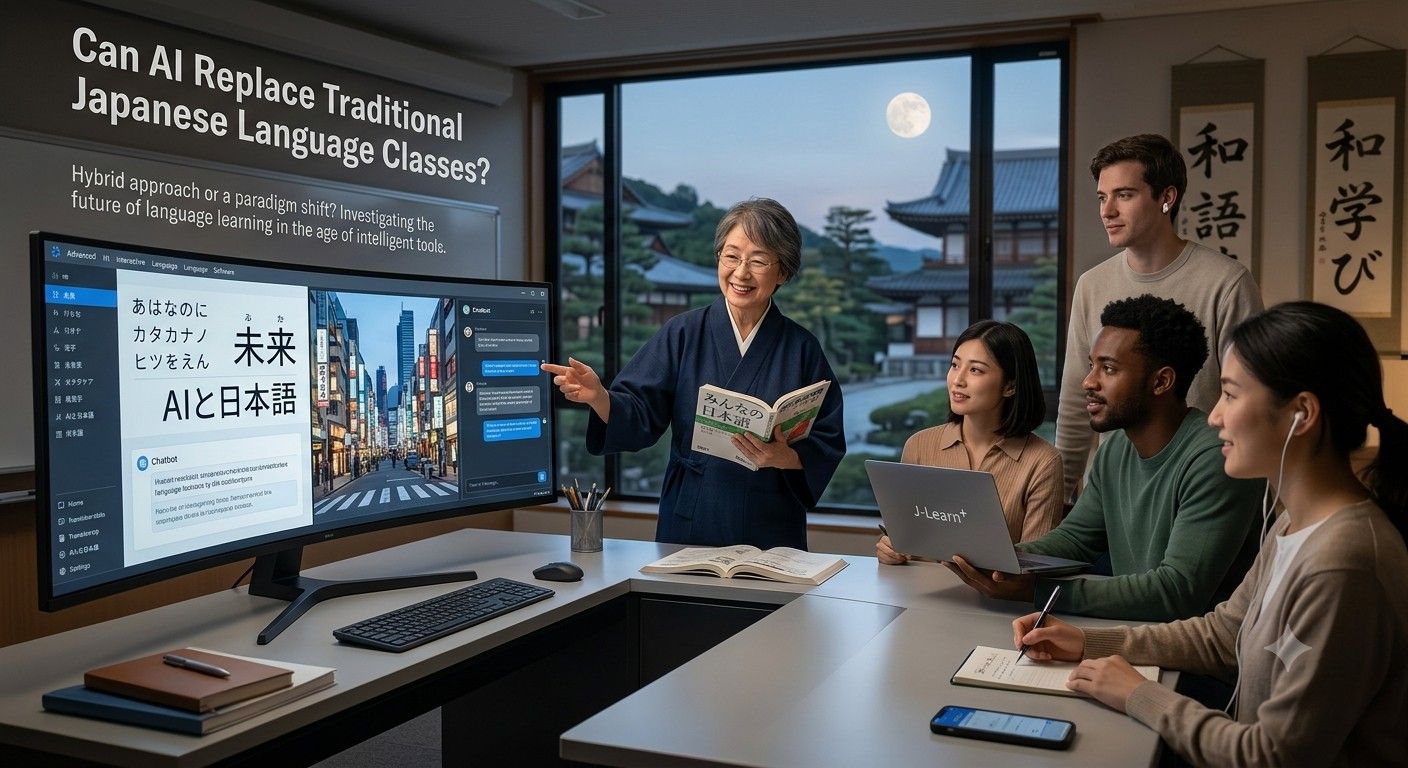
Can e-learning replace traditional classroom education?
In some contexts and subjects, e-learning can substitute for classroom instruction, but many programs benefit from hybrid approaches. Practical skills that require hands-on practice often need in-person components or simulation technologies to achieve equivalent outcomes.
What are the main barriers to scaling e-learning globally?
Main barriers include insufficient internet and electricity infrastructure, lack of devices, limited digital literacy, regulatory and accreditation uncertainty, and funding for sustainable program delivery. Addressing these barriers requires coordinated public and private investment and inclusive policy design.
How can institutions ensure quality in online programs?
Quality assurance involves clear learning outcomes, robust assessment methods, instructor training for online pedagogy, accessibility standards, and monitoring of learner performance. Engaging with recognized accreditation bodies helps align programs with national or sectoral standards.