Ear Piercing Across Cultures: Tradition, Style, and Meaning
-

- February 23rd, 2026
- 1,721 views
Ear Piercing: Cultural Significance and Contemporary Style
Ear piercing is a widely practiced form of body adornment that carries varied meanings across time and place. From rites of passage and religious symbolism to contemporary fashion and personal identity, ear piercing links craft, culture, and social norms. This article reviews historical roots, regional practices, and modern considerations, with reference to public health guidance and scholarly perspectives.
Ear piercing has long served as a marker of status, belonging, and aesthetic preference. Practices differ by region and community, shaped by religion, rite of passage traditions, gender norms, and fashion. Contemporary attention to hygiene and regulation complements cultural practices; relevant public health agencies provide safety guidance.
Historical roots and anthropological perspectives
Archaeological evidence and ethnographic records show that ear piercing is an ancient practice. Earrings and ear ornaments appear in artefacts from Bronze Age civilizations and were used by a wide range of societies, from South Asia to sub-Saharan Africa and pre-Columbian America. Anthropologists note that ear piercing has been used to signal social status, tribal affiliation, marital status, and age group, making it a durable and adaptable cultural practice.
Regional traditions and meanings
South Asia
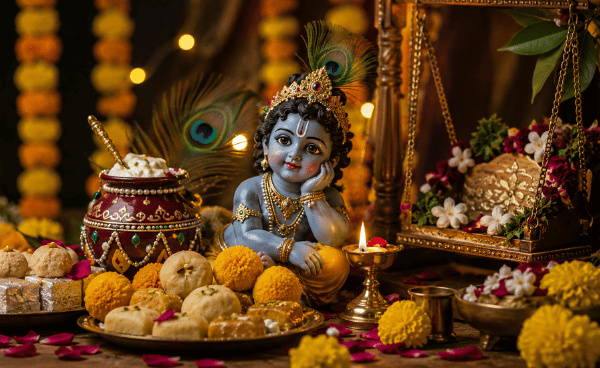
In many South Asian cultures, ear piercing is performed in infancy or early childhood and often coincides with religious rites and family ceremonies. Jewelry styles, such as studs or jhumkas, can carry regional or community-specific symbolism and may be associated with auspiciousness and protection.
Africa
Across parts of Africa, ear piercing and ear stretching have longstanding aesthetic and social meanings. Ear ornaments may indicate ethnic identity, social rank, or age. Materials and designs are influenced by local resources, trade networks, and ceremonial use.
Indigenous Americas
Many Indigenous communities of the Americas incorporate ear piercing within broader traditions of adornment and body modification. Practices vary substantially by nation and community and are often embedded within cosmology, healing, and community belonging.
Rites of passage, religion, and identity
Ear piercing commonly functions as a rite of passage. In multiple cultures, the act of piercing marks transitions such as childhood to adolescence, or signals readiness for marriage and parenthood. Religious traditions—including Hindu, Christian, and Indigenous practices—may ascribe spiritual meaning to ear ornaments and the timing of piercing. For many individuals, ear piercing also expresses gender identity, personal aesthetics, or political and social identity.
Fashion, globalization, and changing styles
Global fashion trends and the international jewelry trade have diversified the meanings and forms of ear piercing. Contemporary styles range from traditional lobes to cartilage piercings, multiple piercings, and hybrid looks informed by global subcultures. Social media, celebrity visibility, and affordable jewelry manufacture have accelerated the spread of new looks while traditional motifs persist in many communities.
Health, safety, and regulation
Public health authorities and regulatory bodies provide guidance on hygiene, instrument sterilization, and facility standards related to body art, including ear piercing. Regulations vary by country and locality: some jurisdictions require licensing for practitioners, training standards, or inspections of facilities. For general safety information and infection-prevention recommendations, consult recognized public health resources such as the Centers for Disease Control and Prevention (CDC). Mention of this guidance does not substitute for professional medical consultation.
Choosing a practitioner and preserving tradition
Where ear piercing is part of cultural ceremonies, traditional practitioners or elders may perform the procedure according to established forms and ritual protocols. In commercial settings, licensed piercers and accredited studios typically follow standardized hygiene protocols. Respect for cultural context can coexist with attention to safety: many communities adapt modern equipment and sterilization techniques while preserving ritual meaning.
Conservation of cultural heritage
Ear piercing traditions form part of broader efforts to document and preserve intangible cultural heritage. Museums, cultural centers, and academic researchers collaborate with communities to record meanings, techniques, and material culture. Organizations such as UNESCO support initiatives that recognize and protect living cultural practices, while ethnographers emphasize community-led documentation and transmission of skills.
Conclusion
Ear piercing remains a dynamic intersection of tradition and style. It can signify belonging, beauty, and identity while evolving through global exchange and contemporary fashion. Awareness of local customs, respect for ritual significance, and attention to hygienic and regulatory standards together support meaningful and safe practice.
Frequently Asked Questions
What is the cultural significance of ear piercing?
Ear piercing has multi-layered cultural significance: it can act as a rite of passage, a marker of social or marital status, a religious symbol, and a form of personal or group identity. Meanings differ by region, community, and historical context.
At what age is ear piercing culturally performed?
Customary ages vary widely. Some cultures perform ear piercing in infancy, others at puberty or before marriage, and many individuals choose to pierce as adults. Age-related practices often reflect ritual timing, family decisions, and local norms.
Are there universally accepted safety standards for ear piercing?
Safety standards differ across countries and municipalities. Many places require licensing or adherence to infection-control protocols for body-art practitioners. For authoritative public health information, consult national or local public health agencies.
Can ear piercing be part of cultural preservation efforts?
Yes. Documentation, intergenerational teaching, and community-led cultural programs help preserve traditional piercing practices, jewelry-making techniques, and the meanings attached to them.