Electricity Transmission Infrastructure Market Winning Strategies Strengthen Grid Expansion, Modernization, Resilience
-

- September 21st, 2026
- 51 views
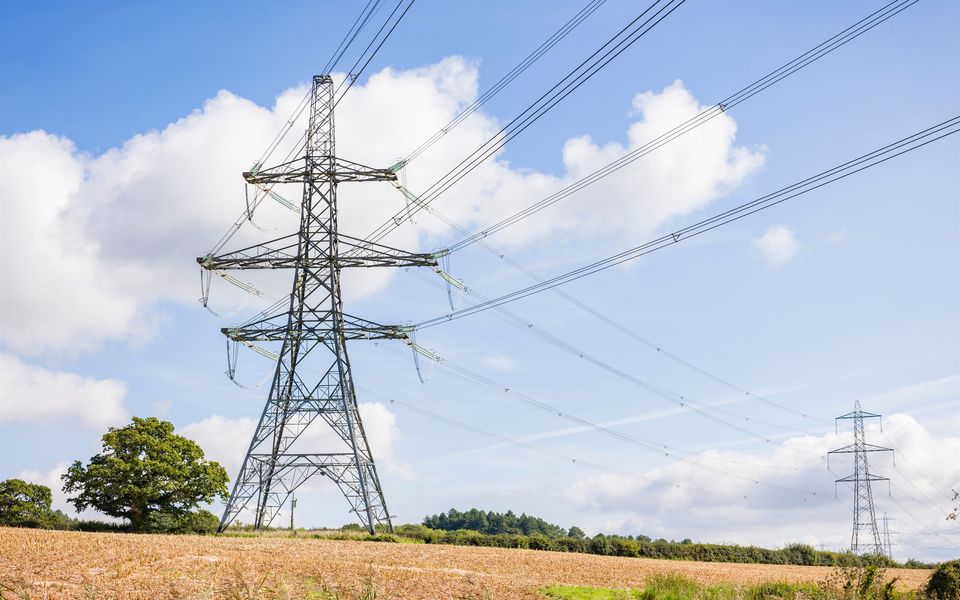
Strategic Approaches to Transmission Infrastructure Development
Electricity transmission infrastructure is entering a period of significant transformation as power systems accommodate renewable generation, electrification, industrial growth, digital technologies, and changing electricity demand. Transmission companies, utilities, equipment manufacturers, engineering firms, and technology providers must adapt their strategies to address increasingly complex infrastructure requirements.
The electricity transmission infrastructure market winning strategies increasingly center on integrated planning, efficient asset utilization, technology adoption, resilient project execution, supply-chain preparedness, and long-term stakeholder coordination. Organizations that align these capabilities with changing grid requirements can strengthen their position across the evolving transmission ecosystem.
Prioritize Integrated Grid Planning
One important strategy is to move beyond isolated transmission projects and adopt broader system-level planning. Transmission requirements are closely connected with renewable generation, energy storage, electrification, industrial development, and changing demand patterns.
Organizations can evaluate multiple future scenarios to understand how generation and consumption may evolve. This approach helps identify infrastructure requirements under different operating conditions and supports more flexible investment decisions.
Integrated planning can also improve coordination between transmission projects and generation-development timelines.
Maximize Existing Infrastructure
Building new transmission corridors is important, but improving the utilization of existing infrastructure can provide another strategic pathway.
Advanced conductors, dynamic line-rating systems, power-flow controls, improved monitoring, and targeted substation upgrades can increase the usefulness of established transmission corridors under suitable conditions.
This approach can be particularly relevant where new rights-of-way are difficult to obtain. Combining physical upgrades with operational technologies can help organizations address capacity requirements through multiple solutions.
Accelerate Digital Transformation
Digitalization is becoming a core element of modern transmission management. Utilities and infrastructure operators can deploy sensors, intelligent electronic devices, digital substations, automated controls, communication networks, and analytics platforms to improve network visibility.
Digital technologies can support equipment monitoring, fault detection, asset management, operational planning, and maintenance decisions.
A successful digital strategy should also include cybersecurity, data governance, interoperability, workforce training, and lifecycle management rather than focusing solely on individual technology purchases.
Strengthen Asset Management
Condition-based asset management can help organizations make more informed decisions about aging transmission equipment. Instead of treating assets according to uniform maintenance schedules, operators can use equipment condition, criticality, performance history, and network importance to guide interventions.
Predictive analytics can support earlier identification of potential equipment problems.
This strategy can help organizations coordinate maintenance and modernization while improving visibility into long-term capital requirements.
Build Resilient Infrastructure
Resilience should be incorporated into transmission planning from the earliest stages of project development. Transmission assets may be exposed to extreme heat, storms, flooding, wildfires, heavy rainfall, and other environmental conditions.
Strategic approaches can include stronger structures, improved drainage, enhanced inspection, vegetation management, network redundancy, emergency restoration planning, and strategic inventories of critical equipment.
Designing for resilience can help organizations address environmental risks while improving the long-term durability of infrastructure.
Develop Strong Equipment Procurement Strategies
Specialized transmission equipment can influence project schedules, making procurement strategy an important competitive capability.
Utilities and developers can improve planning by identifying critical equipment early, coordinating manufacturing schedules, maintaining qualified supplier networks, and evaluating alternative sourcing options.
Long-term relationships with equipment manufacturers can also support better coordination between engineering, manufacturing, delivery, and construction schedules.
For manufacturers, investing in production flexibility and advanced equipment capabilities can help address changing transmission requirements.
Invest in Workforce Development
Modern transmission infrastructure requires expertise across traditional electrical engineering and emerging digital disciplines. Organizations need professionals skilled in high-voltage systems, protection, automation, power electronics, cybersecurity, data analytics, construction, and asset management.
Workforce development can include technical training, knowledge-transfer programs, apprenticeships, cross-functional education, and partnerships with academic or professional institutions.
Maintaining institutional knowledge is equally important as experienced transmission professionals transition out of the workforce.
Expand Advanced Transmission Technology Capabilities
Technology selection can provide organizations with additional tools for addressing network constraints. HVDC systems can support selected long-distance applications, while advanced conductors can increase capacity on suitable existing routes.
Flexible AC transmission technologies, dynamic line ratings, advanced monitoring, and power-flow management systems can improve network flexibility.
Rather than adopting technology solely because it is new, organizations can evaluate solutions according to system requirements, technical compatibility, lifecycle costs, operational benefits, and scalability.
Strengthen Stakeholder Coordination
Transmission projects involve numerous stakeholders, including utilities, grid operators, regulators, landowners, communities, renewable developers, equipment suppliers, contractors, and government organizations.
Early and consistent coordination can improve communication around project requirements, route development, construction schedules, environmental considerations, and technical specifications.
Clear responsibilities and structured communication channels can reduce misunderstandings and help maintain alignment throughout the project lifecycle.
Improve Project Execution
Large transmission projects benefit from disciplined project-management practices. Detailed scheduling, risk assessment, procurement coordination, construction planning, quality control, and commissioning procedures can help organizations manage complex developments.
Digital project-management tools can provide greater visibility into progress, equipment delivery, workforce requirements, and potential schedule issues.
Early identification of project risks allows teams to develop mitigation measures before problems affect critical milestones.
Develop Supply-Chain Resilience
Transmission infrastructure depends on materials, components, specialized equipment, logistics providers, engineering services, and construction contractors.
Organizations can strengthen supply-chain resilience by diversifying suppliers, improving demand forecasting, establishing strategic inventories for critical components, and maintaining visibility across procurement networks.
Manufacturers can also invest in production capacity and flexible manufacturing processes to respond to changing infrastructure requirements.
Focus on Long-Term Network Flexibility
The future transmission system will need to accommodate changing electricity generation and demand. Infrastructure designed with flexibility in mind can be better positioned to respond to evolving system conditions.
Scalable substations, adaptable control systems, expandable network configurations, and technology-ready infrastructure can support future modifications.
Flexible design can be particularly valuable when long-lived transmission assets must operate under uncertain future conditions.
Strategic Direction for Transmission Participants
The electricity transmission infrastructure market winning strategies increasingly combine physical infrastructure development with digital capabilities, advanced technologies, asset intelligence, resilient design, supply-chain management, and integrated planning.
Organizations can strengthen their long-term capabilities by maximizing existing network capacity while developing new infrastructure where necessary. Investment in skilled personnel, technology, procurement systems, and stakeholder coordination can further support effective project execution.
As electricity networks become more interconnected and dynamic, strategic success will depend on the ability to balance capacity expansion, modernization, reliability, flexibility, cost management, and changing power-system requirements across the entire infrastructure lifecycle.
Written as -https://www.pristinemarketinsights.com/electricity-transmission-infrastructure-market-report-report