Laser Hair Removal in Riyadh: A Practical Guide to Clinics, Costs, and Aftercare
-

- February 28th, 2026
- 641 views
Choosing laser hair removal in Riyadh is a common next step for people seeking a longer-term reduction in unwanted hair. This guide explains how the procedure works, how to pick a clinic, what costs to expect, and how to get the safest, most effective results.
- Laser hair removal in Riyadh requires matching laser type to skin tone, checking clinic licensing, and planning multiple sessions.
- Expect a range of prices; ask for package rates and written consent.
- Use the LASER CARE checklist for practical quality control and read the five core cluster questions below for further research topics.
Laser hair removal in Riyadh: how it works and who it helps
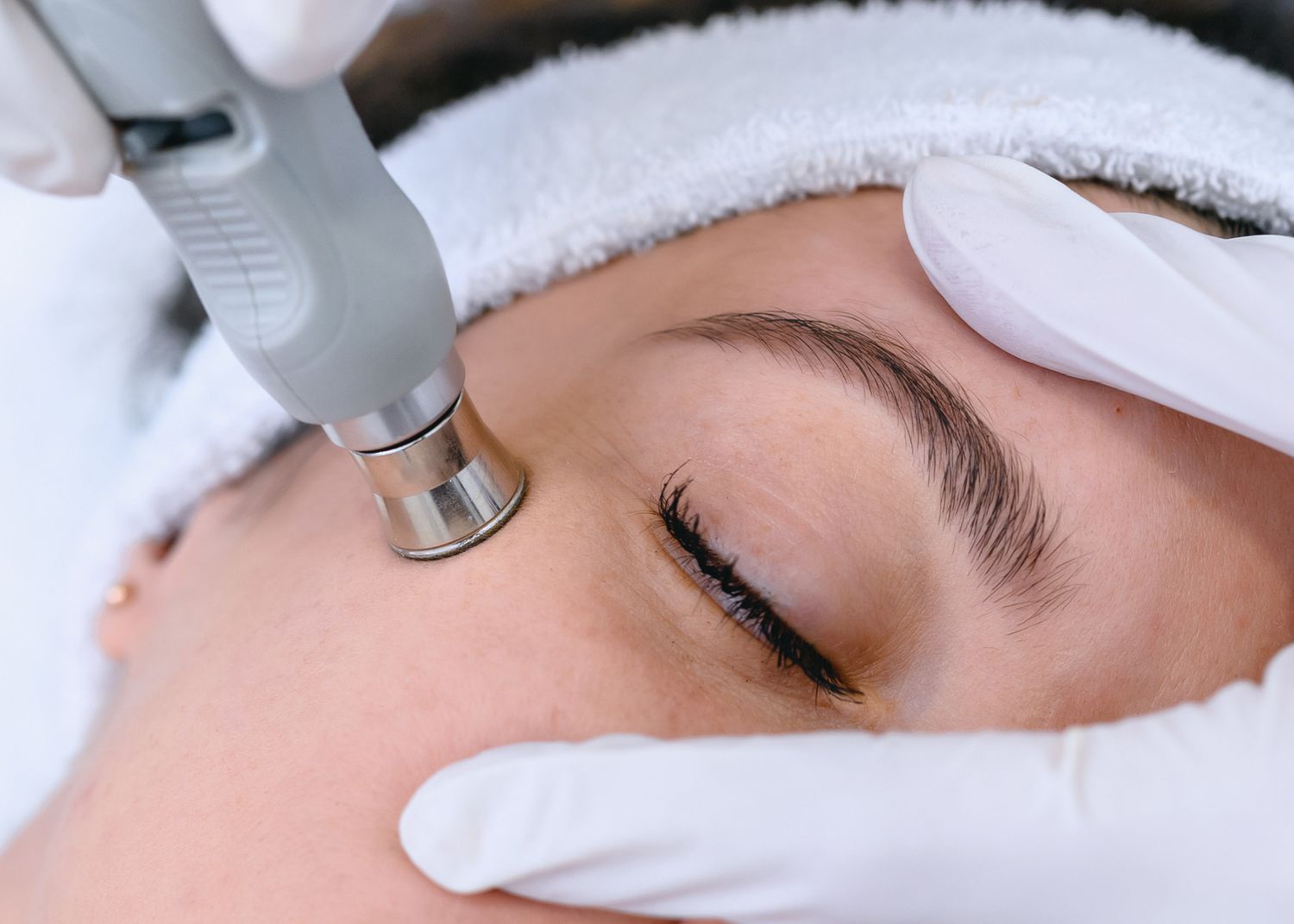
Laser hair removal uses concentrated light to damage hair follicles and reduce hair growth over time. Different laser systems (diode, Alexandrite, Nd:YAG) target pigment and heat differently, so skin tone, hair color, and the treatment area determine the best device. For people living in Riyadh, clinics commonly offer sessions that take 4–8 treatments spaced weeks apart; maintenance sessions may be required.
Practical checklist: LASER CARE checklist for choosing a clinic
- Licensed facility: Verify clinic registration with the Saudi Ministry of Health and clinician credentials.
- Assessment: Expect a pre-treatment skin assessment and medical-history review.
- Suitable device: Confirm the clinic has lasers suitable for your Fitzpatrick skin type (Nd:YAG for darker skin tones; Alexandrite/diode for lighter tones).
- Expectations: Clear discussion of realistic results and number of sessions.
- Risks & consent: Written consent and explanation of potential side effects.
- Cost transparency: Itemized pricing, package deals, and refund/cancellation policy.
- Aftercare instructions: Written post-care steps and contact for complications.
- Records: Keep a copy of settings used and photos for follow-up.
- Expertise: Ask about staff training and continuous professional education.
What to expect in Riyadh clinics and common price factors
Price estimates vary by area treated, laser type, and clinic reputation. Search terms like "laser hair removal cost Riyadh" and "best clinics for laser hair removal Riyadh" surface a broad range; expect higher-end clinics to charge more for advanced devices and experienced practitioners. Many clinics offer package pricing for full-course treatment.
Key factors that affect cost
- Area size (small areas like upper lip vs. large areas like legs)
- Number of sessions required based on hair density and growth cycle
- Device type: diode and Alexandrite are common; Nd:YAG is preferred for darker skin
- Clinic reputation and included services (consultations, follow-ups, top-ups)
Preparing for treatment and aftercare
Preparation improves safety and outcomes. Avoid tanning and sun exposure for several weeks, stop waxing/plucking before sessions (shaving is allowed), and disclose medications that increase photosensitivity. After treatment, use sunscreen, avoid hot baths and vigorous exercise for 24–48 hours, and follow the clinic's wound-care instructions.
Practical tips
- Book a consultation to confirm device type and a written treatment plan.
- Take photographs of the treated area before the first session and keep them for progress checks.
- Ask the clinic for a session-by-session price and what follow-up is included.
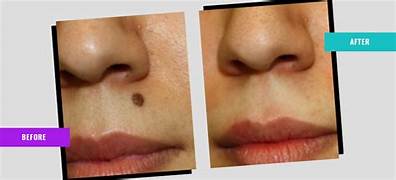
- Check for prior client results or anonymized before/after photos to set realistic expectations.
Trade-offs and common mistakes
Choosing a clinic based only on price or promotional offers is a frequent mistake. Lower cost can mean older equipment or undertrained staff. Another trade-off is speed versus safety: aggressive settings may reduce hair faster but increase the risk of burns or pigmentation, especially for darker skin tones. Prioritizing licensed clinicians and proper settings typically yields better long-term value than the lowest upfront price.
Core cluster questions for further reading
- How many laser hair removal sessions are needed for durable results?
- Which laser types are safest for darker skin tones?
- What are the expected side effects and how common are they?
- How to verify a Riyadh clinic's licensing and practitioner credentials?
- How to compare package pricing and aftercare services between clinics?
Short real-world example
A 30-year-old client with light-brown hair and Fitzpatrick type IV skin schedules a consultation in north Riyadh. The clinic recommends diode laser sessions every 6–8 weeks with an estimated 6 treatments. The client receives a written plan, pays for a 6-session package that includes two maintenance touch-ups, and follows post-care sunscreen guidelines. Results show a steady reduction in hair density after the third session, with minor temporary redness resolved within 48 hours.
For clinical background on safety and when to consult a dermatologist, see guidance from the American Academy of Dermatology: AAD — Laser Hair Removal.
Choosing between clinics: questions to ask
- Is the facility registered with the Saudi Ministry of Health and are staff credentials available?
- Which laser model will be used and why is it appropriate for this skin type?
- Are before/after photos and client references available?
- What is included in the quoted package and what are the policies for missed sessions?
FAQ
How much does laser hair removal in Riyadh cost?
Costs vary by treated area, number of sessions, and clinic. Expect a range; request itemized quotes and package pricing. Clinics often provide discounts for multiple-session packages.
Is laser hair removal safe for darker skin tones?
Yes—when performed with the appropriate device (often Nd:YAG) and conservative settings. Choose clinics experienced with a range of Fitzpatrick skin types to reduce risk of hyperpigmentation.
How many sessions are usually needed?
Most patients need 4–8 sessions spaced several weeks apart. Hair growth cycles and individual response determine the exact number; maintenance sessions may be necessary.
What side effects should be expected?
Common short-term effects include redness, swelling, and mild discomfort. Less common issues include blistering or temporary pigment changes. Proper pre- and post-care reduces risks.
How to prepare for an initial consultation?
Bring a list of medications, history of sun exposure or tanning, and any prior hair-removal treatments. Ask the clinic to explain the device choice, expected sessions, and aftercare in writing.