Email Deliverability Basics: How to Make Marketing Emails Reach the Inbox
-

- February 23rd, 2026
- 1,361 views
Email deliverability determines whether email messages reach recipients' inboxes or are diverted to spam folders. Good email deliverability depends on technical authentication, sending reputation, subscriber engagement, and compliance with regulations. Understanding these factors helps marketers and communicators improve delivery rates and maintain sender credibility.
- Core elements affecting email deliverability: authentication (SPF, DKIM, DMARC), IP and domain reputation, and list hygiene.
- Monitor engagement metrics (opens, clicks, bounces) and remove inactive addresses to reduce spam complaints and bounces.
- Comply with applicable regulations and display clear unsubscribe options; consult official guidance for laws such as CAN-SPAM.
- Test sending infrastructure and content regularly, and use feedback loops and monitoring tools to respond to deliverability issues.
Email deliverability: key factors that affect delivery
Authentication protocols: SPF, DKIM, DMARC
Authentication signals confirm that an email originated from an authorized sender and has not been altered. Standard protocols include Sender Policy Framework (SPF), DomainKeys Identified Mail (DKIM), and Domain-based Message Authentication, Reporting & Conformance (DMARC). Implementing all three reduces the chance that mailbox providers mark messages as suspicious, and DMARC provides reporting that helps detect unauthorized use of a domain.
Sending infrastructure and IP reputation
Deliverability depends on the reputation of sending IP addresses and domains. Dedicated IPs give full control over reputation but require consistent sending patterns; shared IPs spread reputation across many senders. Major factors that affect reputation include complaint rates, bounce rates, spamtrap hits, and sudden spikes in volume. Use warm-up processes for new IPs and monitor blacklists to detect issues promptly.
List management and hygiene
Clean address lists reduce bounces and spam complaints. Remove hard bounces immediately and soft bounces after repeated attempts. Use confirmed (double) opt-in where appropriate to verify addresses at subscription. Periodically prune inactive subscribers and suppress addresses that trigger spam traps. Verification services can identify invalid or high-risk addresses before sending.
Content quality and engagement metrics
Message content also influences deliverability. Avoid misleading subject lines, excessive use of spam-trigger words, and poorly structured HTML. Prioritize relevant content and clear calls to action. Mailbox providers increasingly use engagement signals (opens, clicks, replies, time spent reading) to decide whether to place future messages in the inbox. Segment lists and personalize content to increase engagement.
Compliance and legal considerations
Follow applicable email laws and regulations in sending jurisdictions. Regulations typically require truthful header information, functioning unsubscribe mechanisms, and timely honoring of opt-out requests. For guidance on U.S. requirements under the CAN-SPAM Act, consult the Federal Trade Commission's compliance resources: FTC CAN-SPAM guidance. Be aware of regional data protection rules that may affect consent and retention practices.
Monitoring, testing, and recovery strategies
Key metrics to track
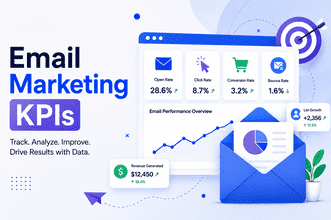
Track delivery rate, bounce rate, complaint rate (spam reports), open and click rates, and unsubscribe rate. Monitor feedback loops provided by major mailbox providers to receive complaint notifications and remove complaining recipients. Aggregate metrics over time to spot trends and compare against industry benchmarks.
Inbox placement testing and seed lists
Use inbox placement testing and seed lists to check where messages land across providers and regions. Tests help identify provider-specific issues, content triggers, or authentication problems. Run tests after configuration changes or before major campaigns.
Handling reputation problems
When deliverability drops, pause large sends, investigate recent changes (content, volume, IPs), and check blacklists. Reduce sending frequency to rebuild reputation, remediate spamtrap hits, and engage active subscribers first. Implement corrective steps like tightening opt-in, improving content relevance, and resolving authentication or DNS problems.
Best practices checklist
- Publish and maintain SPF, DKIM, and DMARC records for sending domains.
- Warm up new IP addresses gradually and keep sending patterns consistent.
- Use confirmed opt-in where practical and validate addresses at collection.
- Segment lists to match content to recipient interests and reduce complaints.
- Provide a clear, working unsubscribe link and honor requests promptly.
- Monitor deliverability metrics and provider feedback loops regularly.
- Document sending policies and retention schedules to align with data protection rules.
Tools and signals to support deliverability decisions
Monitoring and reporting tools
Use reputation monitoring services, SMTP logs, and DMARC reports to detect issues early. Aggregate reports from mailbox providers and compare performance by campaign, segment, and infrastructure to inform changes.
Feedback loops and certifications
Enroll in mailbox provider feedback loops where available to receive complaint notifications. Consider industry certifications or whitelist programs if eligible and appropriate; these programs can help with placement but do not replace good sending practices.
Documentation and organizational roles
Assign responsibility for DNS records, bounce handling, and complaint management. Keep documentation for authentication records, sending IPs, and escalation processes so technical teams can respond quickly to outages or reputation issues.
Conclusion
Improved email deliverability requires attention to authentication, reputation management, list hygiene, content relevance, and legal compliance. Continuous monitoring, testing, and incremental improvements reduce the risk of messages being routed to spam folders and help preserve sender trust over time.
Frequently asked questions
What is email deliverability and why does it matter?
Email deliverability refers to the ability of an email to reach the recipient's inbox rather than being blocked or classified as spam. High deliverability ensures messages are seen by intended recipients, protects sender reputation, and improves engagement and campaign effectiveness.
How do SPF, DKIM, and DMARC help deliverability?
SPF authorizes sending IP addresses for a domain, DKIM signs messages cryptographically to verify integrity, and DMARC sets policy and reporting for domain-based authentication. Together they reduce spoofing and provide mailbox providers with signals that the sender is legitimate.
Can poor list hygiene hurt sender reputation?
Yes. High bounce rates, spamtrap hits, and low engagement damage IP and domain reputation. Regularly removing invalid or inactive addresses and implementing opt-in verification reduces these risks.
How should complaints and unsubscribe requests be handled?
Unsubscribe requests should be honored promptly and clearly; complaints should be tracked and the complaining addresses suppressed. Use feedback loop data and complaint rates to identify problematic campaigns or segments and take corrective action.
How long does it take to recover deliverability after a problem?
Recovery time varies depending on the cause and severity. Minor issues might be resolved in days, while rebuilding a damaged reputation can take weeks or months. Focus on reducing complaint and bounce rates, improving engagement, and following provider guidance to accelerate recovery.