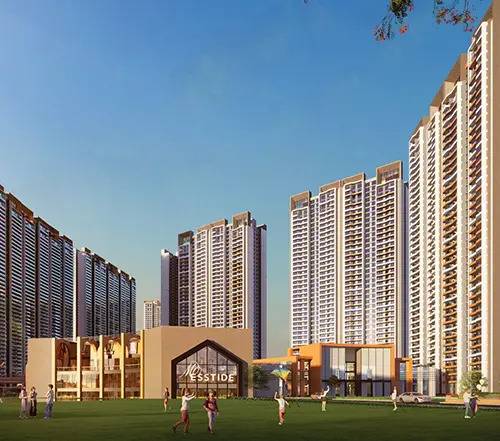
Embassy Springs: Community Guide to Nature-Forward Modern Living
-

- April 06th, 2026
- 419 views

FREE SEO Topical Map Generator: Find Your Next Content Ideas
Embassy Springs real estate draws attention from buyers who want a balance of green space, walkability, and contemporary homes. This guide explains what the community offers, how to evaluate properties, and practical steps for living well in a neighborhood that blends nature and modern conveniences.
- Detected dominant intent: Informational
- Who this helps: prospective residents, local planners, and real-estate shoppers
- Key takeaways: community features, the GREEN-LIFE Checklist, trade-offs, and 5 practical tips
Embassy Springs real estate: Overview of the neighborhood
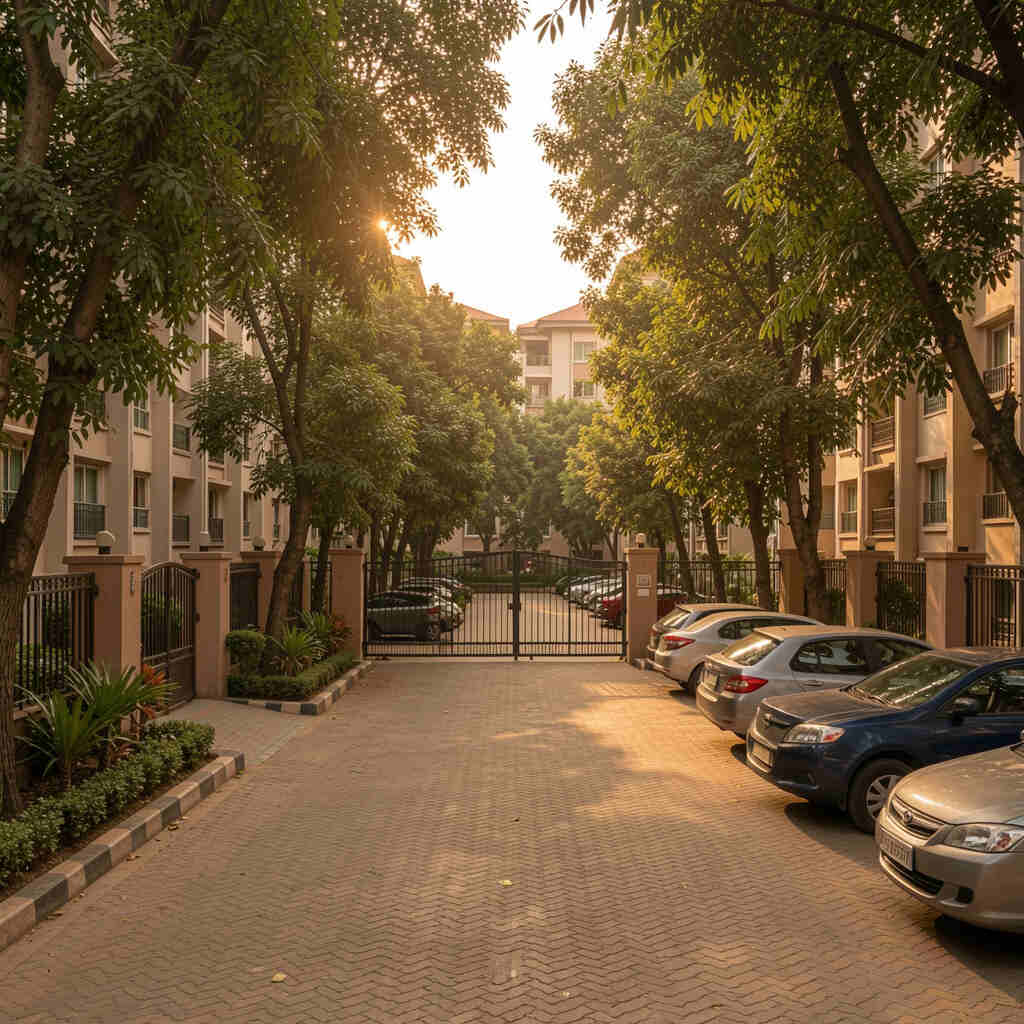
Embassy Springs combines planned streetscapes, public green corridors, and contemporary residences. The neighborhood typically includes mixed housing types—single-family homes, townhouses, and occasionally apartments—integrated with parks, trail networks, and community amenities. Buyers often weigh access to nature, commuting time, and the cost premium that landscaped, amenity-rich communities can carry.
What to expect: Amenities, parks, and daily life
Embassy Springs amenities and parks: What to expect
Expect maintained parks, playgrounds, and pedestrian trails designed to connect residential clusters. Common amenity features include community centers, bike lanes, pond or water-feature landscaping, and localized retail nodes. Such features support outdoor recreation, neighbor interaction, and better walkability scores.
Embassy Springs neighborhood guide: Who it’s for
The neighborhood suits families who value outdoor play areas and safe walking routes, professionals who prioritize a short commute to transit or business centers, and downsizers who want low-maintenance yards but access to community programming. Consider factors like HOA rules, property tax rates, and school district boundaries when evaluating fit.
Practical assessment framework: the GREEN-LIFE Checklist
Use the GREEN-LIFE Checklist to evaluate any property or community investment in Embassy Springs. This named checklist provides a repeatable assessment across five dimensions:
- Green access — proximity to parks, trails, and tree canopy
- Resilience — flood zones, drainage, and stormwater design
- Energy & utilities — efficiency features and sustainable infrastructure
- Engagement — community programs, HOA activity, and neighbor connectivity
- Neighborhood services — retail, transit, schools, and healthcare access
- Layout — lot orientation, sunlight, and privacy
- Inspections — structural, pest, and mechanical checks
- Financials — HOA fees, taxes, and long-term maintenance costs
- Experience — daily commute time, noise, and local culture
Real-world example: Choosing a home in Embassy Springs
A couple with one school-age child compares two listings. Home A is a four-bedroom single-family lot adjacent to a linear park but has a higher HOA fee for landscape maintenance. Home B is a renovated townhouse closer to transit with no yard but lower monthly dues. Using the GREEN-LIFE Checklist, the couple ranks items: green access and schools are high priority, resilience and low maintenance are medium, while commute time is a tie. They choose Home A after confirming school boundaries, a recent roof inspection, and acceptable HOA reserves—trading slightly higher monthly costs for immediate outdoor access and more living space.
Practical tips for buyers and residents
- Visit at different times of day and week to evaluate noise, foot traffic, and lighting patterns.
- Ask for HOA meeting minutes and reserve schedules to understand future fees and planned projects.
- Check local flood maps and drainage designs—green features can reduce runoff but do not eliminate flood risk.
- Prioritize a complete inspection (roof, HVAC, foundation) if the property is adjacent to landscaped water features or mature trees.
- Confirm walkability to essential services—groceries, schools, and transit—rather than relying only on promotional maps.
Trade-offs and common mistakes when choosing a nature-forward modern neighborhood
Common trade-offs
Properties near well-designed green spaces often command higher prices and HOA fees. Choosing a home with extensive landscaping may reduce personal yard work but increase monthly community costs and reliance on HOA governance. Proximity to parks improves lifestyle and resale value but can also increase occasional noise or event-related parking demands.
Common mistakes to avoid
- Assuming all green amenities guarantee lower utility bills—landscape irrigation and water features can add to costs.
- Skipping a full inspection because the community looks new or well-maintained.
- Overvaluing short-term aesthetics without checking long-term maintenance plans and HOA reserve funds.
Evidence and standards: why green design matters
Landscape and green-infrastructure strategies—like bioswales, permeable paving, and native planting—help manage stormwater, improve urban biodiversity, and reduce urban heat islands. For guidance on green infrastructure best practices and benefits, see the U.S. Environmental Protection Agency's overview of green infrastructure policies and outcomes (EPA: Green Infrastructure).
Core cluster questions
- How do HOA fees and rules typically affect cost of living in a nature-focused community?
- What should buyers inspect when a property borders a park or water feature?
- How does proximity to green space influence resale value and marketability?
- What sustainability features deliver the best long-term cost savings?
- Which local services most affect daily convenience in a planned community?
Next steps: how to act on this guide
Create a short shortlist using the GREEN-LIFE Checklist and schedule staged site visits. Obtain HOA documents, recent inspection reports, and a map of local services before making an offer. If financing, ask lenders about insurance requirements for properties near water features or significant tree cover.
Monitoring neighborhood change
Track planned public works, school rezoning, and local development proposals. These factors can shift the balance between nature amenities and traffic or density. Local planning commissions and municipal websites publish agendas and plans for community input—subscribe or attend to stay informed.
Is Embassy Springs real estate a good investment?
That depends on personal goals. For those prioritizing quality of life, access to green space, and strong neighborhood programming, Embassy Springs real estate can be a sound long-term choice. Evaluate through the GREEN-LIFE Checklist, confirm financials (HOA, taxes, insurance), and compare similar nearby neighborhoods.
How much do HOA fees typically cover in nature-forward communities?
HOA fees often cover common-area landscaping, trail maintenance, amenity upkeep, and sometimes basic exterior maintenance. Review the HOA budget and reserve study to see what is included and what requires special assessments.
What inspection risks are unique to homes near parks and water features?
Look for drainage and grading issues, root intrusion from mature trees, insect pressures (termites near woodpiles or mulch), and any signs of periodic flooding. A qualified inspector can identify areas where landscaping or site work may affect the home over time.
How to balance commute time with the desire for green space?
Map actual travel times during peak hours and consider transit alternatives. A slightly longer commute may be offset by daily quality-of-life gains; prioritize what matters most for everyday routines.
Can modern community design reduce maintenance and utility costs?
Yes—features such as energy-efficient building envelopes, native drought-tolerant planting, and centralized stormwater systems can lower utility and maintenance burdens. Verify these features during the inspection and review documentation such as builder warranties and energy reports.