Immediate Dental Care in Escondido: How to Find an Emergency Dentist Fast
-

- March 14th, 2026
- 294 views

Get a free topical map and start building content authority today.
When a tooth is broken, knocked out, or causing severe pain, knowing where to go matters. This guide explains options and immediate steps for finding an Emergency dentist Escondido and what to do before arriving. Detected intent: Informational
- Call a local emergency dental clinic or your regular dentist if pain, swelling, bleeding, or a knocked-out tooth occurs.
- Follow the ABC-Triage checklist to prioritize care and preserve teeth.
- Bring recent X-rays, a list of medications, and insurance or payment info if possible.
- For life-threatening swelling or difficulty breathing, call 911 immediately.
Find an Emergency dentist Escondido now: first steps and when to go
When this counts as an emergency
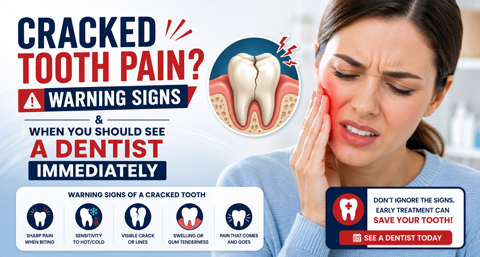
Seek immediate dental care for: uncontrolled bleeding, severe facial swelling, intense pain not relieved by over-the-counter medicine, a tooth that has been completely knocked out, or signs of a spreading infection (fever plus swelling). For life-threatening airways or major trauma, call 911 first.
How to contact care fast
Start by calling a local 24-hour dental clinic, urgent dental care center, or the after-hours number for a regular dentist. For people searching specifically for urgent help, using search terms like "urgent dental care Escondido" or "24-hour dental clinic Escondido" will surface walk-in options and emergency hotlines. Keep one authoritative source in mind for guidance on dental emergencies from the American Dental Association.
ABC-Triage checklist for dental emergencies (named framework)
Use the ABC-Triage checklist to evaluate urgency and prepare for the appointment:
- A — Airway & Alert: Is breathing normal? Any signs of severe facial trauma or airway compromise? Call 911 if yes.
- B — Bleeding: Apply firm pressure with gauze. If heavy bleeding persists after 15–20 minutes, seek emergency care.
- C — Crown & Contour: Is a tooth broken, loose, or missing? Keep fragments or a knocked-out tooth in milk or saline if possible for reimplantation attempts.
- D — Discomfort management: Use recommended OTC pain relievers and cold compresses. Avoid aspirin on active bleeding.
- E — Extras: Collect medications, allergies, recent X-rays, and contact info for the patient’s regular dentist or specialist.
What to expect at the emergency visit
Expect a quick triage on arrival, pain control (local anesthetic or oral meds), and a limited exam with X-rays when needed. Treatments may include temporary restorations, splinting of loose teeth, antibiotics for infection, or instructions for referral to an oral surgeon. If a tooth is knocked out, a dentist may attempt reimplantation depending on time out of the mouth and condition of the root.
Real-world scenario
Example: A 12-year-old is hit in the mouth during a soccer match and loses a front tooth. Parents rinse the tooth with saline (no scrubbing), hold it by the crown, and place it in milk on the drive to a local emergency dentist. The dentist reimplants and splints the tooth within an hour, improving chances of long-term survival.
Practical tips to prepare and respond
- Have a small emergency kit: sterile gauze, a container with lid, milk or saline, and the patient’s medication list.
- Call ahead when possible so the clinic can prepare pain control and prioritize care.
- For a knocked-out permanent tooth, aim for reimplantation within 60 minutes; store the tooth in milk if immediate reimplantation is not possible.
- Avoid placing an unconscious person in a supine position without checking breathing; if airway is compromised, call 911.
Common mistakes and trade-offs
Common mistakes and trade-offs include:
- Waiting too long: Minor pain can escalate to an infection; early assessment reduces the risk of tooth loss.
- Using inappropriate storage for a knocked-out tooth: Dry storage greatly reduces success of reimplantation; milk or specialized preservation kits are better.
- Rushing to the emergency room for non-life-threatening dental pain: ERs can manage severe infections but often cannot provide definitive dental procedures; an emergency dentist usually offers faster definitive care.
Insurance, costs, and payment considerations
Emergency visits can be priced differently from routine appointments. Verify coverage with dental insurance or be prepared for out-of-pocket costs for same-day procedures. Many emergency clinics accept major dental plans, cash, or credit cards and may offer sliding-scale or payment plans. If an extraction or surgery is required, get a clear estimate and ask about follow-up care.
Local resources and follow-up
After initial emergency care, follow up with a regular dentist or a specialist (endodontist or oral surgeon) for definitive treatment: root canal, permanent crown, or surgical repair. Keep a record of the emergency visit, medications prescribed, and any radiographs provided.
Practical tips (3–5 actionable points)
- Call the clinic before heading over so staff can triage and prepare pain control.
- Bring a photo ID, insurance card, medication list, and any dental X-rays if available.
- For a knocked-out permanent tooth, rinse briefly, handle by the crown, and place in milk; reimplantation chance falls with time.
- Use cold packs externally for swelling—20 minutes on, 20 minutes off—to limit inflammation.
- Follow antibiotic prescriptions fully if given; do not stop early because pain improves.
Core cluster questions
- How quickly should a knocked-out tooth be treated for best results?
- What are the signs of a dental infection that needs immediate care?
- How to reduce pain and swelling while waiting for an emergency dentist?
- What should be included in a dental emergency kit for families?
- When is an emergency room visit necessary for a dental problem?
Next steps
If in Escondido and facing an acute dental problem, call a local emergency dental clinic or the after-hours line of a regular dental office. For airway problems, severe trauma, or uncontrollable bleeding, call 911. Keep this checklist handy and prepare an emergency kit to improve outcomes.
FAQ: When should someone call an Emergency dentist Escondido?
Call an emergency dentist for uncontrolled bleeding, severe pain, swelling that affects breathing or swallowing, a knocked-out permanent tooth, or signs of spreading infection (fever, swelling, red streaks). For life-threatening symptoms, contact emergency medical services immediately.
FAQ: Can a knocked-out tooth be saved?
Yes—if a permanent tooth is replanted promptly and handled correctly. Store the tooth in milk, saline, or a tooth-preservation solution and see a dentist within 60 minutes for the best chance of successful reimplantation.
FAQ: What should be in a dental emergency kit?
Include sterile gauze, a small container with lid, milk or saline, over-the-counter pain relievers, a cold pack, and a list of medications and allergies. These items help manage bleeding and preserve knocked-out teeth until treatment.
FAQ: How much will an emergency dental visit cost?
Costs vary by clinic and treatment. Simple exams and pain control have lower fees; extractions, splinting, or surgery cost more. Check with the clinic about payment options and confirm insurance acceptance when possible.
FAQ: What are common mistakes people make in dental emergencies?
Common mistakes include waiting too long to seek care, storing a knocked-out tooth dry, and assuming an ER can provide definitive dental repairs. Prompt contact with an emergency dentist improves outcomes.