How HR Teams Can Use Employee Data to Improve Workplace Decisions
-

- Published Updated
- 1,634 views
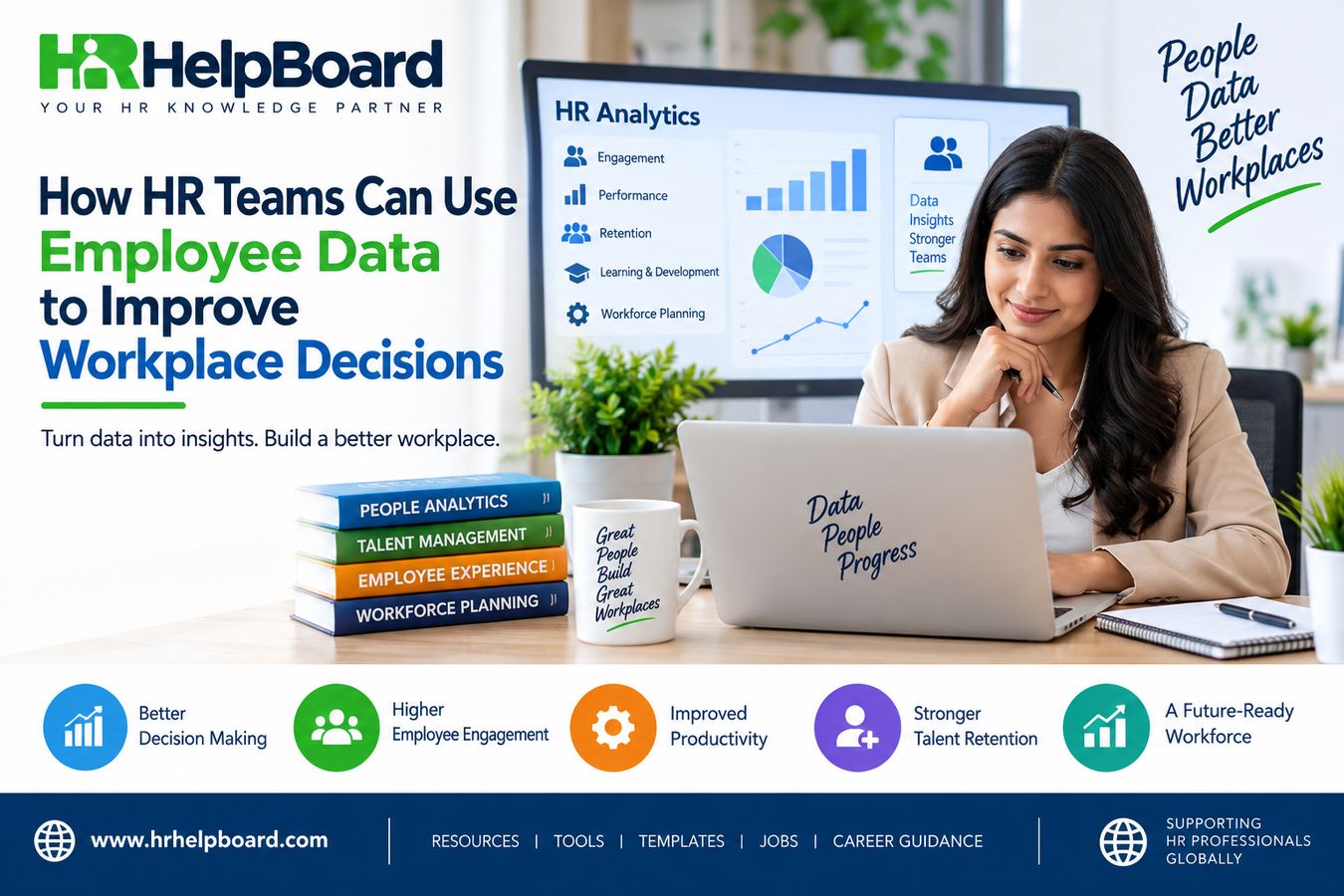
Employee data can help HR teams understand workforce trends, identify areas that need attention, and make more informed workplace decisions. When used responsibly, HR data can provide useful insights into employee engagement, performance, retention, learning, workforce planning, and other areas of people management.
Modern HR teams collect information from many sources, including employee surveys, performance reviews, attendance systems, learning platforms, recruitment processes, and workforce management tools. The challenge is not simply collecting more information. It is turning relevant data into practical insights while protecting employee privacy.
Understand What Employee Data Can Tell You
Employee data can help HR teams identify patterns that may not be visible through individual conversations alone. For example, HR professionals can examine employee engagement trends, training participation, turnover patterns, absenteeism, internal mobility, and workforce demographics.
The purpose should be to answer practical business and people-related questions. Instead of collecting information without a clear purpose, HR teams can identify the decisions they need to make and determine which data can help inform those decisions.
Measure Employee Engagement
Employee engagement surveys can provide HR teams with information about how employees experience their workplace. Survey results can highlight areas related to communication, recognition, management support, career development, workload, and workplace culture.
HR teams can compare engagement results over time and examine whether particular themes are improving or declining. They should also communicate how employee feedback is being used so that employees understand that surveys are part of an ongoing improvement process.
Organizations looking for practical HR information, workplace resources, templates, and career tools can also explore HRHelpBoard.
Identify Employee Retention Patterns
Employee turnover data can help HR teams understand where retention challenges may exist. Rather than looking only at an overall turnover figure, HR professionals can examine patterns by department, role, tenure, location, or other appropriate workforce segments.
For example, if employees in a particular role frequently leave during their first year, HR can investigate onboarding, management support, workload, career development, compensation, or other relevant factors.
Data should be used as a starting point for investigation rather than as an automatic explanation of why employees leave.
Improve Workforce Planning
Employee data can support workforce planning by helping HR teams understand current workforce capacity and future requirements. Information about employee skills, roles, experience, vacancies, turnover, and business growth can contribute to workforce planning discussions.
HR teams can use these insights to identify potential capability gaps and determine whether future requirements may be addressed through recruitment, training, internal mobility, or other workforce strategies.
Support Learning and Development
Learning data can help HR teams understand whether employees are participating in development programs and which skills may require greater attention.
HR professionals can examine course participation, completion rates, assessment results, employee feedback, and development goals. This information can help organizations improve learning programs and make development opportunities more relevant to workforce needs.
Make Performance Discussions More Useful
Performance data can provide context for conversations between managers and employees. HR teams can look at performance trends, objectives, feedback, completed development activities, and other relevant information.
However, data should complement human judgment rather than replace it. Employee performance is influenced by many factors, and numerical measures may not capture every aspect of an individual's contribution.
Improve Recruitment Decisions
Recruitment data can help HR teams evaluate the effectiveness of their hiring processes. Useful measures may include time to hire, source of applicants, candidate conversion rates, offer acceptance rates, and hiring outcomes.
Analyzing recruitment information can help HR identify bottlenecks and improve the candidate experience. It can also help organizations understand which recruitment channels are producing suitable candidates.
Use Data to Support Internal Mobility
Employee skills and career information can help organizations identify internal candidates for new opportunities. HR teams can use appropriate skills information to connect employees with projects, roles, learning opportunities, and career pathways.
Internal mobility can also help organizations make better use of existing talent while giving employees opportunities to expand their experience.
Protect Employee Privacy
Responsible use of employee data is essential. HR teams should collect information for legitimate purposes, limit access to appropriate people, protect sensitive information, and follow applicable privacy and employment requirements.
Employees should also have appropriate transparency about how their information is collected and used. HR analytics should focus on useful organizational insights without unnecessarily exposing individual employee information.
Combine Data With Human Judgment
Employee data is most useful when combined with professional HR judgment. Numbers can identify patterns, but they do not always explain the reasons behind those patterns.
For example, an increase in employee turnover may indicate several different underlying issues. HR teams may need employee feedback, manager discussions, exit interviews, and other contextual information to understand what is happening.
Using multiple sources of information can provide a more complete picture.
Create a Regular HR Analytics Process
HR teams do not need to analyze every available metric. A focused approach can be more useful. Organizations can establish a regular process that includes identifying important questions, selecting relevant data, reviewing trends, investigating unusual changes, taking action, and measuring results.
This creates a continuous improvement cycle rather than treating HR analytics as a one-time reporting exercise.
Conclusion
Employee data can help HR teams make more informed workplace decisions across engagement, retention, workforce planning, learning, performance, recruitment, and internal mobility. However, effective HR analytics is not simply about collecting large amounts of information.
The most useful approach combines relevant data with employee feedback, professional judgment, responsible privacy practices, and clear business objectives. When HR teams use employee information thoughtfully, they can gain better insight into workforce needs and develop more effective people strategies.