What Does an Infrastructure Project Manager Actually Do From Planning to Completion?
-

- Published Updated
- 1,717 views
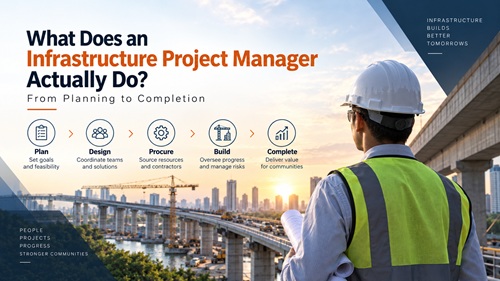
Large infrastructure projects such as highways, metro systems, airports, energy facilities and urban utilities involve far more than construction. Someone must coordinate budgets, schedules, contractors, regulations, risks and stakeholders from the initial idea to final delivery. Infrastructure project managers help bring these moving parts together. Understanding their responsibilities is useful for professionals considering an infrastructure management program.
What Happens During the Planning Stage?
An infrastructure project manager starts by helping define what the project needs to achieve. The team studies demand, project scope, timelines, resources and possible constraints.
Managers also coordinate with engineers, consultants, government bodies and other stakeholders. Early decisions matter because unclear requirements can create delays and additional costs later.
How Is Project Feasibility Evaluated?
A project must make sense technically, financially and environmentally before major execution begins. Teams study expected costs, funding requirements, risks and potential social or environmental effects.
Project managers help bring information from different specialists together so decision-makers understand whether the proposed project is realistic. This combination of commercial, regulatory and managerial thinking is central to infrastructure and development.
What Role Does Finance Play?
Infrastructure projects often require significant capital and run for several years. Project managers therefore need to understand budgets, cash flows and financing arrangements even when finance specialists handle detailed calculations.
They track expenditure against plans and identify areas where costs are moving beyond expectations. Financial awareness also helps managers understand how delays, design changes and procurement decisions affect the overall project.
How Does Procurement and Contract Management Work?
Once plans are approved, projects require materials, equipment, contractors and specialised services. Procurement teams handle much of this process, but project managers coordinate requirements and schedules.
They also need to understand contracts. Responsibilities, timelines, quality expectations and payment conditions should be clear between parties. Contract management becomes especially important when disagreements or unexpected changes occur.
What Happens During Project Execution?
Execution is where plans become physical infrastructure. Project managers monitor schedules, coordinate teams and track whether work is progressing according to agreed requirements.
A delay in one activity can affect several others. Managers therefore review progress regularly and coordinate responses when materials arrive late, site conditions change or another project risk appears.
How Do Managers Handle Risk?
Infrastructure projects face financial, operational, environmental and regulatory risks. Weather, supply disruptions, safety concerns or approval delays can affect execution.
Project managers identify major risks early and prepare response plans. Risk management does not eliminate uncertainty, but it helps teams respond more systematically when conditions change.
Are Safety and Quality Also Their Responsibility?
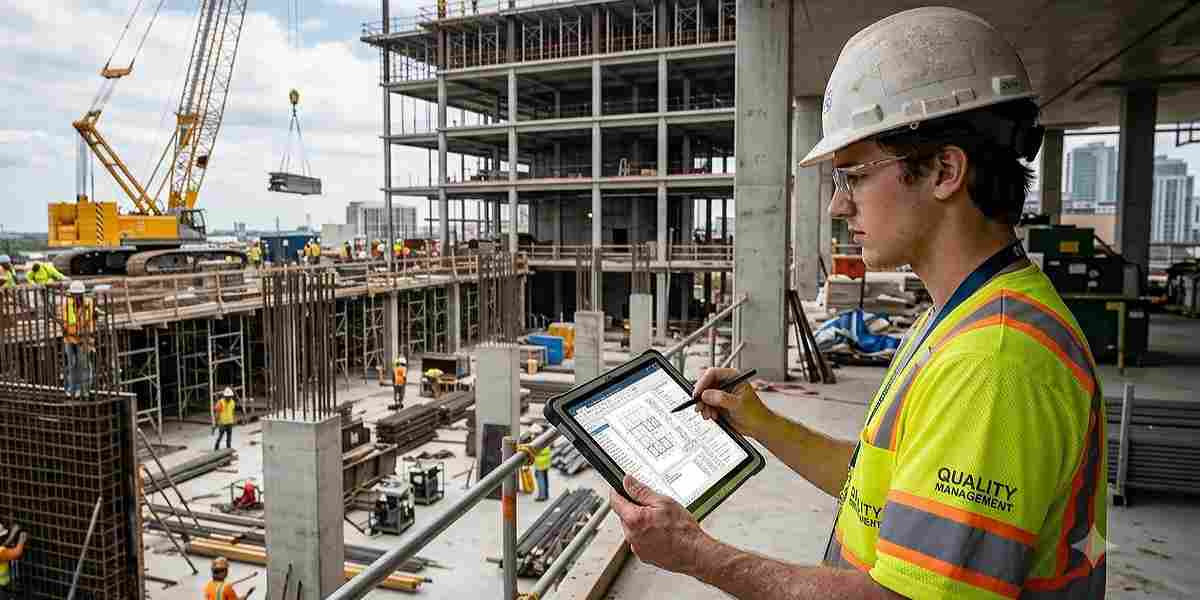
Safety and quality are critical throughout project execution. Managers work with specialist teams to ensure agreed standards and procedures are followed.
Quality checks help identify problems before they become expensive to correct. Safety monitoring also protects workers and supports responsible project delivery.
What Happens When Construction Is Complete?
Completion does not simply mean stopping construction. Projects require testing, commissioning, documentation and formal handover.
Managers verify whether key deliverables have been completed and coordinate outstanding work. Lessons from the project can also be documented to improve planning and execution on future assignments.
Conclusion
Infrastructure leadership requires a bridge between engineering expertise and business decision-making. Professionals need technical awareness, but they also need skills in finance, project execution, contracts, risk, strategy and leadership to manage complex projects successfully. As infrastructure projects become larger and more interconnected, leaders must also understand how decisions in one area can affect cost, timelines, regulatory approvals, stakeholder expectations and long-term operations.
The Symbiosis Centre for Management and Human Resource Development (SCMHRD) MBA in Infrastructure Development and Management reflects this multidisciplinary approach. Its curriculum combines infrastructure-focused learning with general management areas such as business strategy, supply chain management and business law. It addresses financially and technically feasible project structuring, regulatory and governance frameworks, legal and contractual issues, execution, operations and project management. The programme also offers functional specialisations in Execution and Finance, helping students develop expertise across different dimensions of infrastructure projects.
This combination can be especially valuable for professionals who want to move from technical roles into broader leadership responsibilities. By understanding how engineering decisions connect with finance, contracts, operations and strategy, students can develop a more complete view of the infrastructure lifecycle. Such interdisciplinary preparation is relevant for careers across transportation, energy, urban infrastructure and other large-scale development sectors where leadership depends on both technical understanding and strong managerial judgement. It can also help future managers communicate more effectively with engineers, investors, contractors and policymakers involved in complex infrastructure projects.