Epoxy Tile Filler Guide for Stronger and Cleaner Tile Joints
-

- Published Updated
- 4,121 views
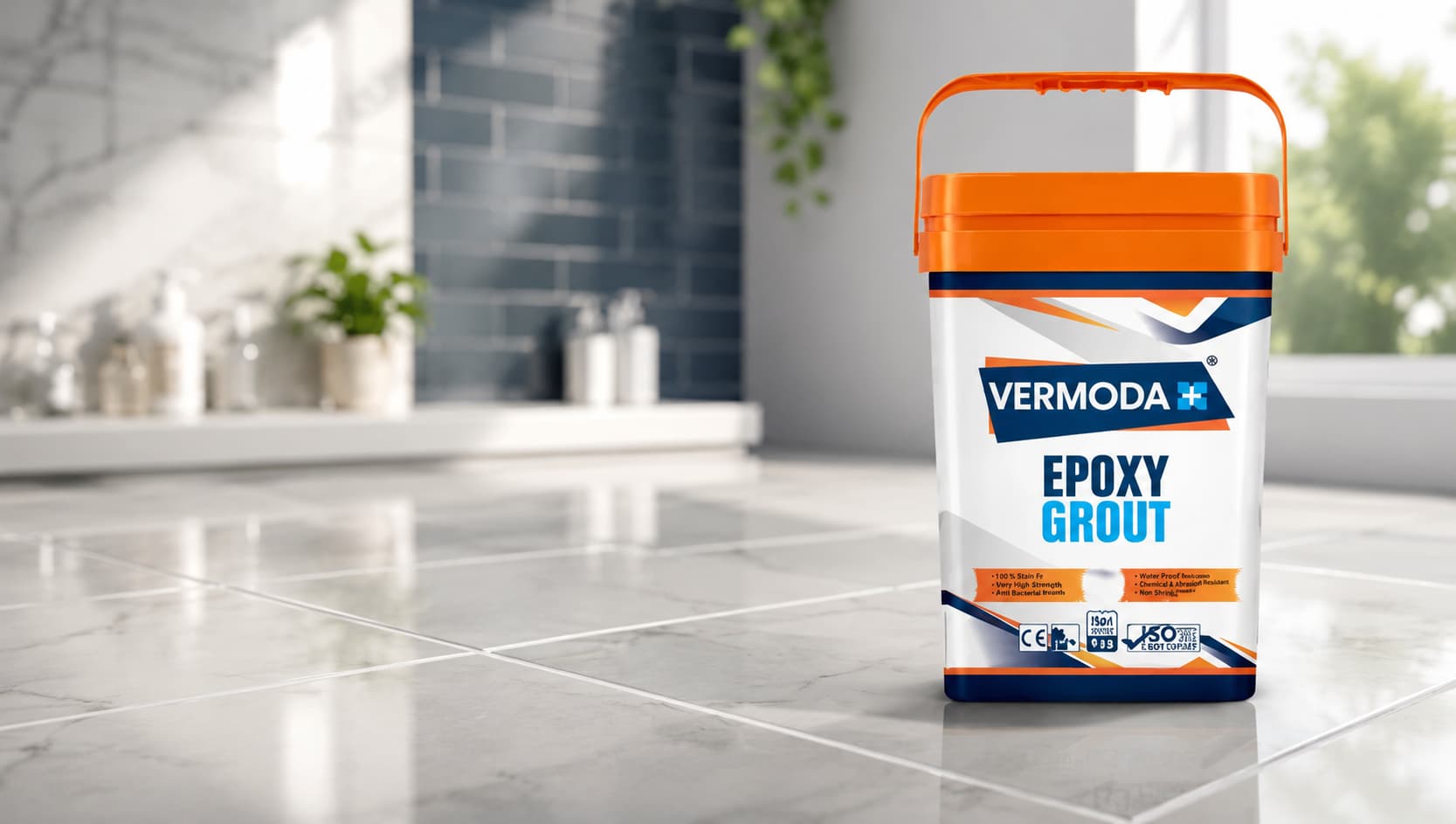
Tile joints are often exposed to water, stains, dirt, cleaning chemicals, and regular wear. Choosing the right grout for these joints can make a noticeable difference in the appearance and service life of a tiled surface. An epoxy tile filler is a two-component joint-filling material designed to fill the gaps between tiles while providing better resistance to moisture, stains, and chemicals than many traditional cement-based grouts.
Unlike tile adhesive, which bonds the tile to the substrate, epoxy filler is applied after the tiles have been fixed. Understanding this difference helps prevent incorrect product selection during installation.
What Is an Epoxy Tile Filler?
An epoxy tile filler generally consists of an epoxy resin and a hardener. These components are mixed before application and form a dense, durable material as they cure.
The finished grout joint can provide several useful properties:
- Resistance to water and moisture
- Better resistance to stains
- Resistance to many household chemicals
- Reduced absorption compared with cement-based grout
- A smooth and easy-to-clean surface
- Good resistance to regular wear
These characteristics make epoxy grout particularly useful in areas where tile joints face frequent contact with water or substances that can cause staining. Vermoda Plus describes its epoxy grout range as suitable for applications involving ceramic, marble, and other tile surfaces, with uses across walls, floors, bathrooms, kitchens, and outdoor areas.
Where Can Epoxy Tile Filler Be Used?
The right grout should always be selected according to the installation environment. Epoxy-based fillers can be useful in several areas.
Bathrooms
Bathroom joints regularly encounter water, soap, shampoo, and cleaning products. A low-absorption grout can help reduce moisture penetration and make routine cleaning easier.
Kitchens
Kitchen tile joints can collect food residue, grease, and cleaning chemicals. An epoxy-based filler can be considered where resistance to staining and easier maintenance are important.
Floors
Floor joints experience foot traffic, dirt, and repeated cleaning. A durable grout can help maintain the joint surface under regular use.
Outdoor Tiling
Exterior tile joints are exposed to rain, temperature changes, dirt, and other environmental conditions. The grout must be selected specifically for outdoor use and compatible with the substrate and tiles.
Decorative and Mosaic Tiles
Small tiles and mosaic installations contain numerous joints. A suitable epoxy filler can create a uniform finish while helping protect the spaces between individual tiles.
Epoxy Grout vs Cement Grout
The main difference is their composition and performance characteristics.
Cement grout is generally easier to work with and is widely used for standard tile installations. However, it is more porous and may require additional protection depending on the application.
Epoxy grout has a resin-based formulation that produces a denser joint after curing. It is generally more resistant to water, stains, and chemicals, but it can require more careful application and cleaning during installation.
This does not mean epoxy is automatically the best choice for every project. Cost, joint width, working conditions, tile type, and installation requirements should all be considered.
How to Apply Epoxy Tile Filler Correctly
Application quality has a major effect on the finished result. Even a good grout can perform poorly if the joints are not prepared correctly.
1. Clean the Tile Joints
Remove dust, loose particles, and excess adhesive from the joints. The spaces should have enough depth for the grout to form a proper joint.
2. Prepare the Epoxy Components
Follow the manufacturer's specified mixing ratio. Epoxy products usually contain separate components that must be mixed thoroughly. Do not change the ratio to make the material softer or easier to apply.
3. Fill the Joints
Use a suitable rubber grout float to push the material firmly into the joints. Work diagonally across the tile surface to help fill the gaps evenly. The reference guidance also recommends using a rubber grout float and applying firm pressure during joint filling.
4. Remove Excess Material
Do not allow excess epoxy to remain on the tile surface until it fully cures. Clean the tile face according to the product instructions while the material is still workable.
5. Allow Proper Curing
Keep the newly grouted surface protected during the recommended curing period. Avoid heavy traffic, excessive water, or chemical exposure until the grout has developed sufficient strength.
Common Mistakes to Avoid
Several simple mistakes can affect the appearance and performance of epoxy grout.
Avoid:
- Mixing resin and hardener in the wrong ratio
- Applying grout over dirty joints
- Leaving excess epoxy on the tile surface
- Adding unapproved materials or excess water
- Working across an area that is too large at once
- Ignoring the recommended working and curing time
- Using a product without checking tile and substrate compatibility
Protective gloves and adequate ventilation are also recommended during application, along with following the manufacturer's safety instructions.
How to Maintain Epoxy Grout
One advantage of an epoxy-based joint filler is relatively simple routine maintenance. Regular cleaning with a suitable tile-safe cleaner can remove surface dirt before it becomes difficult to remove.
Avoid using aggressive chemicals unless the grout manufacturer confirms compatibility. Harsh cleaning products can affect some grout systems or surrounding tile surfaces.
Inspect joints periodically, especially in bathrooms, kitchens, balconies, and other areas exposed to moisture. Early attention to damaged joints can prevent a small installation problem from becoming more extensive.
Is Epoxy Tile Filler Right for Your Project?
An epoxy tile filler can be a practical choice when stain resistance, low water absorption, chemical resistance, and easy maintenance are important. It is particularly relevant for wet areas, kitchens, commercial spaces, decorative installations, and other locations where tile joints face demanding conditions.
Vermoda Plus offers epoxy grout products intended for different tile applications, including wall and floor installations. However, product selection should always be based on the tile material, joint requirements, substrate, environmental exposure, and manufacturer's technical instructions.
The most important point is simple: grout is not just a finishing material. It forms part of the tiled surface and needs to be selected and installed with the same care as the tiles themselves.