10 Essential Facts to Know Before an FUE Hair Transplant
-

- Published Updated
- 1,427 views
An FUE hair transplant (follicular unit extraction) is a commonly chosen surgical option for pattern hair loss. This article outlines 10 essential things to know before an FUE hair transplant so expectations, risks, recovery, and long-term outcomes are clearer.
- FUE removes individual follicular units from a donor area and implants them into thinning areas.
- Candidate suitability, surgeon skill, and post-op care affect results.
- Recovery takes days to weeks; final results appear over 9–18 months.
- Costs and risks vary; consider alternatives and ask specific questions before proceeding.
Understanding an FUE hair transplant
FUE hair transplant is a minimally invasive technique that extracts individual hair follicles (grafts) from a donor area—usually the back and sides of the scalp—and implants them in areas with thinning or balding. Unlike strip harvesting, FUE does not leave a linear scar, though tiny round scars at extraction sites can occur. The technique can be performed under local anesthesia and is used for male and female pattern hair loss as well as for scar camouflage or eyebrow restoration.
1. Who is a suitable candidate?
Good candidates typically have stable hair loss, a sufficient donor supply, realistic expectations, and overall good health. Age, the pattern and cause of hair loss, and future hair-loss progression influence candidacy. Consulting a qualified hair restoration surgeon helps determine if FUE is appropriate or if alternative approaches (such as medical therapy or FUT) should be considered.
2. Surgeon qualifications and clinic selection
Choose a surgeon with formal training in hair restoration and a proven track record. Look for membership in professional organizations such as the International Society of Hair Restoration Surgery (ISHRS) and review before-and-after photos from real patients. Verify clinic hygiene standards, staff credentials, and whether the surgeon performs the procedure personally rather than delegating critical steps.
3. Typical procedure steps
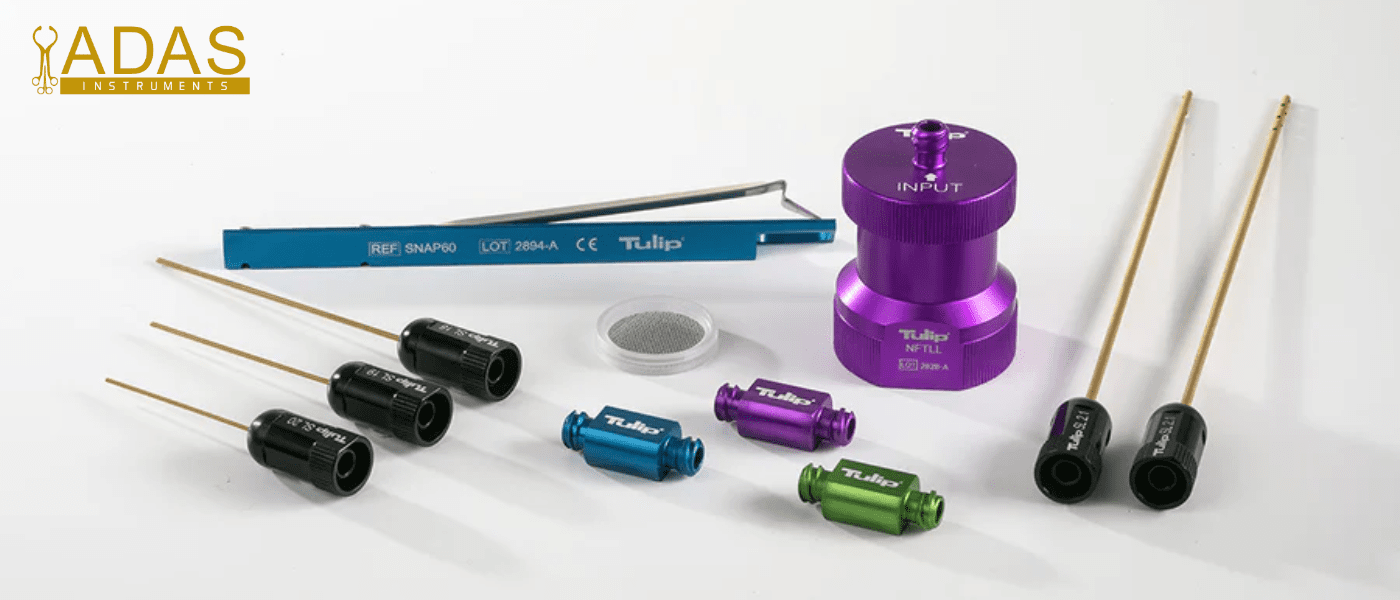
A standard FUE procedure includes consultation and planning, donor area trimming, local anesthesia, follicle extraction with a small punch tool, graft preparation, and implantation into recipient sites. Sessions may last several hours; large transplant needs can require multiple sessions spaced months apart.
4. Recovery timeline and aftercare
Expect mild pain, swelling, and scabbing in the first week. Most people return to light activities within a few days and to normal activities in 1–2 weeks. Avoid strenuous exercise, direct sun exposure, and smoking during early healing. Follow the surgeon’s instructions for wound care, sleeping position, and when to resume hair products or dyeing.
5. Risks and possible side effects
Common short-term effects include redness, numbness, swelling, and scabs. Less common risks are infection, poor graft survival, unnatural-looking growth if placement is non-ideal, and possible thinning in the donor area. Scar formation with FUE is typically small and round but may be noticeable with very short haircuts. Discuss complication rates and management protocols with the clinic.
6. Expected results and timeline
Transplanted hairs often shed within 2–8 weeks (shock loss), then regrow starting around 3–4 months. Noticeable improvements are usually seen by 6–9 months, with final density and maturation by 12–18 months. Multiple sessions or ongoing medical therapy (for example, topical minoxidil or oral treatments under a clinician’s guidance) may be recommended to optimize long-term outcomes.
7. Cost and financial considerations
Costs vary by region, surgeon experience, number of grafts, and clinic overhead. Pricing models include per-graft fees or package rates. Confirm what is included (pre-op tests, follow-ups, medications) and whether financing options are available. Avoid selecting a clinic solely on low price; quality and safety are critical to results.
8. Alternatives and complementary treatments
Alternatives include FUT (strip harvesting), non-surgical medical therapies, platelet-rich plasma (PRP) injections, low-level laser therapy, and cosmetic options like scalp micropigmentation. Combining FUE with medical therapy or PRP is sometimes used to enhance graft survival and preserve existing hair.
9. What to ask during consultation
- How many grafts are recommended and why?
- Can the surgeon show recent before-and-after cases with similar hair type?
- Who performs each step of the procedure?
- What are expected costs, follow-up schedule, and revision policies?
- What specific post-op care and activity restrictions apply?
10. Evidence, standards, and where to find reliable information
Review guidelines and information from professional bodies such as the International Society of Hair Restoration Surgery and national dermatology associations for evidence summaries and safety standards. For clinical guidance and patient resources, consult ISHRS for general educational material and recommendations on surgeon credentialing: International Society of Hair Restoration Surgery. Clinical studies in peer-reviewed journals are the best source for procedure outcomes and complication rates.
Aftercare and long-term planning
Long-term success depends on realistic planning for progressive hair loss. Some patients require subsequent procedures to maintain density as native hair continues to thin. Regular follow-up with the surgical team and possibly a dermatologist helps monitor results and decide on additional treatments.
FAQ
How long does an FUE hair transplant take to show results?
Initial regrowth often begins at 3–4 months, with noticeable changes by 6–9 months and final maturation by 12–18 months. Individual timelines vary with age, hair type, and post-op care.
Is a FUE hair transplant painful?
Local anesthesia is used during the procedure, so pain is usually minimal. Some discomfort, soreness, or tightness can occur in the days after surgery and is typically managed with prescribed or recommended analgesics.
Will an FUE hair transplant leave a scar?
FUE creates many small round scars at extraction points that are usually less noticeable than a linear scar from FUT. Scar visibility depends on extraction technique, instrument size, and individual healing.
Can a FUE hair transplant fail?
Graft failure can occur due to poor handling, compromised blood supply, infection, smoking, or inadequate post-op care. Choosing an experienced surgeon and following aftercare instructions reduces risk.
What questions should be asked before booking an FUE hair transplant?
Ask about the surgeon’s qualifications, case volume, expected graft number, realistic outcomes for your hair type, costs, follow-up care, and the clinic’s approach to managing complications or revisions.