Proven Event Marketing Strategies for Non-Profits to Boost Attendance and Donations
-
- Published Updated
- 1,473 views
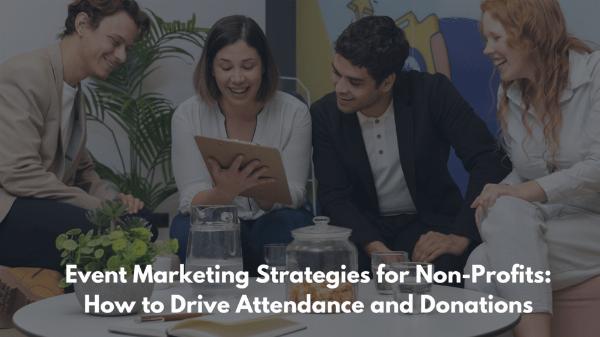
Effective event marketing strategies for non-profits begin with a clear goal, an understanding of target supporters, and a plan to convert attendance into sustainable donor relationships. This guide outlines practical tactics for driving attendance, increasing donations, and measuring results while maintaining compliance and accessibility.
- Set measurable goals (attendance, ticket revenue, donor acquisition).
- Segment audiences and tailor messaging across email, social, and partners.
- Combine registration ease, on-site donor journeys, and post-event stewardship.
- Track key metrics and follow data-protection rules.
Why clear goals matter for event marketing strategies for non-profits
Start by defining what success looks like: number of attendees, new donors, average gift amount, sponsor engagement, or media reach. Clear objectives determine audience targeting, budget allocation, and which metrics to track. Use segmentation and donor profiles in a CRM to prioritize outreach to past supporters, prospects, volunteers, and corporate partners.
Planning and audience targeting
Plan the event timeline backward from the date. Typical phases include concept and budget, promotion, registration, on-site execution, and post-event follow-up. Create audience personas that capture interests, giving capacity, and preferred communication channels. Consider accessibility, language, and transportation needs to reduce barriers to attendance.
Promotion channels and messaging
Reach audiences through a mix of channels and consistent messaging:
- Email marketing: Segment lists for donors, volunteers, and prospects. Use clear subject lines and a single call-to-action (register, donate, or sponsor).
- Social platforms and community networks: Share event pages, countdowns, stories from beneficiaries, and volunteer spotlights. Use short video and imagery to show impact.
- Local media and community calendars: Pitch local reporters with a human-interest angle and provide clear media materials.
- Partnerships and sponsorships: Leverage partner networks for cross-promotion and offer sponsor benefits such as logo placement or speaking opportunities.
- Direct outreach: Personal invitations to major donors or community leaders can increase attendance and giving.
Registration, ticketing, and donation integration
Optimize registration to reduce friction: a mobile-friendly form, multiple payment options, suggested donation levels, and clear refund policies. Offer tiered tickets (general admission, VIP, donor tables) and highlight what each level supports. Integrate registration with the CRM so donations and attendee data flow into supporter records for follow-up.
Onsite experience and donor journeys
Design an onsite experience that reinforces the mission and makes donating easy. Key elements include:
- Clear signage and check-in processes to shorten lines.
- Opportunities to give throughout the event (pledge stations, QR codes, tablets) and trained staff or volunteers to welcome questions.
- Impact storytelling during the program with brief beneficiary stories and transparent use of funds.
- Volunteer coordination and recognition to create advocates who promote future events.
Measuring results and optimizing
Track metrics aligned to goals: attendance rate, ticket revenue, number of new donors, average gift, cost per attendee, conversion rate from attendee to donor, and retention of new donors. Use A/B testing on email subject lines, calls-to-action, and social ads to learn what drives registration. Reporting should feed into long-term fundraising strategy and budgeting for future events.
Compliance, data protection, and best practices
Non-profits must follow fundraising regulations and data-protection laws. Maintain accurate donation records for tax and reporting purposes and protect personal data. Consult guidance from relevant non-profit regulators and industry organizations for fundraising practices and donor privacy. For practical policy resources, see the National Council of Nonprofits https://www.councilofnonprofits.org.
Sponsorships, partnerships, and community outreach
Secure sponsors by matching sponsor goals with audience demographics and providing measurable benefits (brand exposure, speaking roles, lead generation). Build relationships with community organizations, local businesses, and influencers with aligned missions; co-hosted events or in-kind partnerships can reduce costs and broaden reach.
Accessibility and inclusivity
Ensure events are accessible by choosing barrier-free venues, providing captioning or translation where appropriate, and communicating accessibility options in promotional materials. Inclusive events expand the potential audience and demonstrate organizational values.
Tools and technologies to consider
Key technologies include registration/ticketing systems that integrate with CRMs, email automation for segmented campaigns, social media scheduling tools, and donation processing that supports recurring gifts. Prioritize systems that export clean data for reporting and donor stewardship.
FAQ
What are the most effective event marketing strategies for non-profits?
Combine clear goal-setting, targeted email and social outreach, partner promotion, easy registration with donation options, a compelling onsite donor experience, and systematic post-event stewardship. Track attendance, conversions, and donor retention to refine tactics.
How should a non-profit measure event success?
Measure against predefined objectives: attendance vs. capacity, ticket revenue, number of new donors, average gift size, cost per attendee, and long-term donor retention. Qualitative measures such as media mentions and stakeholder feedback can complement quantitative metrics.
How can smaller organizations secure sponsors and partners?
Offer targeted sponsor packages with clear audience data, social promotion, and tangible benefits like event signage or speaking opportunities. Start with local businesses and community organizations that share mission alignment and offer in-kind contributions to reduce costs.
What are best practices for post-event donor follow-up?
Send timely thank-you messages that specify impact, provide receipts for tax purposes, solicit feedback, and create a nurture sequence to convert event donors into ongoing supporters. Update CRM records and segment donors for future appeals.
How should donor data be handled after an event?
Store donor data securely, limit access to authorized staff, comply with applicable privacy laws, and keep records for required retention periods. Obtain consent for future communications and offer easy options to update preferences.