Everest Base Camp Trek 14 Days: Complete Trekking Guide for Nepal
-

- Published Updated
- 48 views
The Everest Base Camp Trek 14 Days is one of the most popular Himalayan trekking adventures in Nepal. It takes you through beautiful Sherpa villages, ancient Buddhist monasteries, dramatic mountain valleys, and some of the world's most impressive Himalayan scenery. The journey leads to Everest Base Camp, the legendary starting point for mountaineering expeditions to Mount Everest, the highest mountain on Earth.
If you dream of trekking beneath Mount Everest, experiencing Sherpa culture, and exploring the heart of the Khumbu region, the 14 day Everest Base Camp Trek offers an unforgettable adventure. The route combines challenging mountain trails with acclimatization days that help your body adjust to increasing altitude.
Holy Kailash Tours, based out of Thamel, Kathmandu, provides trekking and travel planning support for visitors exploring Nepal's Himalayan destinations. Before booking your Everest Base Camp Trek package, it is important to understand the itinerary, trekking cost, best season, altitude, permits, accommodation, and physical preparation required for this high altitude journey.
Book with Us
Holy Kailash Tours
https://holykailashtours.com/trip/everest-base-camp-trek
What Is the Everest Base Camp Trek 14 Days?
The Everest Base Camp Trek in Nepal is a classic Himalayan trekking route in the Khumbu region. Most standard itineraries begin with a flight from Kathmandu or Ramechhap to Lukla, followed by a trek through settlements such as Phakding, Namche Bazaar, Tengboche, Dingboche, and Lobuche before reaching Everest Base Camp.
The main destination, Everest Base Camp, sits at approximately 5,364 meters above sea level. Many itineraries also include a sunrise hike to Kala Patthar, a famous viewpoint that offers outstanding views of Mount Everest and the surrounding Himalayan peaks. Kala Patthar reaches approximately 5,545 meters.
A 14 day itinerary generally includes walking days, acclimatization stops, and the return journey to Lukla. The exact schedule depends on flight arrangements, weather, group pace, and the trekking operator.
Unlike a short mountain excursion, the Everest Base Camp trekking route requires several days of walking at high altitude. Good preparation, gradual acclimatization, and a flexible schedule are essential for enjoying the experience safely.
Everest Base Camp Trek Route and Major Highlights
The Everest Base Camp Trek route passes through Sagarmatha National Park, a protected area known for its spectacular landscapes, unique wildlife, Buddhist heritage, and mountain communities.
Lukla: The Gateway to Everest
The adventure usually begins with a flight to Lukla, a mountain town that serves as the main gateway to the Everest region. After arriving, trekkers begin walking through villages, forests, suspension bridges, and riverside trails.
Flight operations can be affected by visibility and weather, so it is wise to keep extra time in your travel schedule. A delay can affect both the beginning and the end of your trek.
Namche Bazaar: Sherpa Culture and Acclimatization
Namche Bazaar is one of the most important stops on the Everest Base Camp Trek itinerary. Located at approximately 3,440 meters, it is a lively mountain settlement with lodges, shops, bakeries, and views of surrounding peaks.
Most standard itineraries include an acclimatization day in Namche Bazaar. Trekkers often take a gradual walk to a nearby viewpoint or higher elevation before returning to sleep at Namche. This helps introduce the body to higher altitude without increasing sleeping elevation too quickly.
Namche is also an excellent place to learn about Sherpa culture, local mountain life, and the history of Himalayan climbing.
Tengboche Monastery and Himalayan Views
The trail continues toward Tengboche, home to the well known Tengboche Monastery. Surrounded by mountain scenery, the monastery is an important spiritual site for the local Buddhist community.
On clear days, the route offers views of Himalayan peaks, including Ama Dablam. The combination of prayer flags, forested paths, mountain villages, and open valleys makes this section a memorable part of the trek.
Dingboche and High Altitude Acclimatization
Dingboche, at approximately 4,410 meters, is another common acclimatization stop. As the route climbs higher, the air contains less available oxygen, and walking becomes more demanding.
A rest day here may include a gentle acclimatization hike, depending on the itinerary and your condition. The purpose is not to test your limits but to allow your body to adjust before continuing toward Lobuche and Everest Base Camp.
Everest Base Camp: The Main Destination
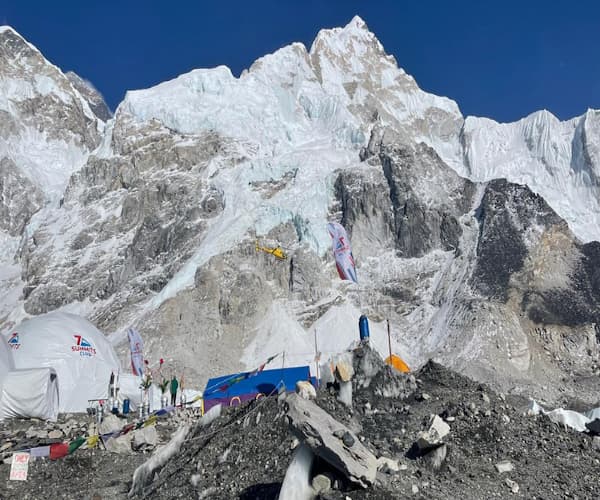
Reaching Everest Base Camp at 5,364 meters is the highlight of the journey for many trekkers. The trail passes through rugged glacial terrain and the Khumbu region's dramatic mountain landscape.
The base camp environment changes with the season and expedition activity. During the spring climbing season, expedition tents may be visible, while conditions look different at other times of year. Mount Everest itself is not always fully visible from Base Camp, which is why many itineraries also include Kala Patthar.
Kala Patthar: A Famous Everest Viewpoint
Kala Patthar viewpoint is one of the most rewarding stops on the trek. The early morning climb can be steep and tiring because of the altitude, but clear weather may reveal impressive views of Mount Everest, Nuptse, Pumori, and the surrounding peaks.
Although Kala Patthar is higher than Everest Base Camp, it is a viewpoint rather than a base camp destination. Trekkers should only attempt the climb if they feel well and their guide considers the conditions suitable.
Everest Base Camp Trek 14 Days Itinerary
A typical 14 day Everest Base Camp Trek itinerary follows the route below. Daily walking times are estimates and vary with weather, fitness, trail conditions, and acclimatization needs.
Day 1: Arrival in Kathmandu
Arrive in Kathmandu, transfer to your hotel, and meet your trekking representative. Use this time to review the itinerary, check your trekking equipment, and confirm permit arrangements.
Day 2: Kathmandu to Lukla and Trek to Phakding
Take the scheduled flight toward Lukla, subject to operational conditions. After meeting the local trekking team, walk to Phakding, usually taking around three to four hours.
Day 3: Phakding to Namche Bazaar
Continue along the Dudh Koshi River, cross suspension bridges, and enter the Sagarmatha National Park area. The ascent to Namche Bazaar is demanding, particularly as the trail gains elevation.
Day 4: Acclimatization Day in Namche Bazaar
Spend the day acclimatizing. A gentle hike to a nearby viewpoint or settlement may be included, followed by a return to Namche for the night.
Day 5: Namche Bazaar to Tengboche
Follow the trail through forested sections and open mountain viewpoints toward Tengboche. Visit the monastery if it is open and appropriate for visitors.
Day 6: Tengboche to Dingboche
Continue through traditional settlements and alpine landscapes toward Dingboche. The air becomes thinner as you gain altitude, so walk slowly and take regular breaks.
Day 7: Acclimatization Day in Dingboche
Spend another day adjusting to the altitude. A suitable acclimatization walk may be planned, depending on your health and the guide's advice.
Day 8: Dingboche to Lobuche
Trek toward Lobuche, passing memorial sites that honor climbers and mountaineers. The route is increasingly exposed and rocky, so warm layers and steady pacing are important.
Day 9: Lobuche to Everest Base Camp and Gorak Shep
Walk toward Gorak Shep before continuing to Everest Base Camp if conditions and timing permit. Return to Gorak Shep for the overnight stay. This is a long and physically demanding day.
Day 10: Kala Patthar and Trek Toward Pheriche
If weather and health conditions allow, begin early for the Kala Patthar sunrise hike. After enjoying the views, descend toward Pheriche or another confirmed overnight stop.
Day 11: Trek to Namche Bazaar
Continue descending through the Khumbu region toward Namche Bazaar. Although the descent can feel easier than the ascent, rocky trails and tired legs still require care.
Day 12: Namche Bazaar to Lukla
Walk back toward Lukla, completing the main trekking section. Celebrate the achievement with your group and prepare for the return flight.
Day 13: Return Flight to Kathmandu or Ramechhap
Fly from Lukla according to the operating schedule. Depending on the season and flight arrangements, road transport between Ramechhap and Kathmandu may be required.
Day 14: Departure from Nepal
Use this day for your international departure or additional travel plans. Keeping a buffer day is useful because mountain flights can be delayed or canceled due to weather.
Important: This is a sample itinerary. Some 14 day packages use different overnight stops or include additional contingency time. Confirm the exact schedule before booking, especially if you have fixed international flights.
Everest Base Camp Trek Cost for 14 Days
The Everest Base Camp Trek cost depends on group size, accommodation, meals, guide and porter services, transportation, flights, permits, and the level of service included in your package.
A budget trekking package may focus on essential services, while a private or higher comfort package can include upgraded accommodation, more flexible pacing, and additional support. International airfare, personal equipment, tips, travel insurance, and emergency evacuation may be charged separately.
Before choosing an Everest Base Camp Trek package, ask for a written breakdown that explains:
Accommodation in Kathmandu and during the trek, meals included each day, domestic flight or road transport arrangements, trekking permits and park fees, licensed guide services, porter support, and any airport transfers.
You should also ask whether flight delays, extra hotel nights, and emergency arrangements are included or paid separately. A clearly itemized quotation makes it easier to compare trekking companies and avoid unexpected costs.
For current itinerary and pricing information, contact Holy Kailash Tours through its official website at https://holykailashtours.com/.
Best Time for Everest Base Camp Trek
The best time to trek to Everest Base Camp is generally during spring and autumn, when conditions are often more favorable for trekking and mountain views.
Spring Season: March to May
Spring is a popular period for the Everest Base Camp Trek in Nepal. Temperatures gradually rise, and rhododendron forests may bloom at lower elevations. The region also sees mountaineering expedition activity as climbers prepare for the Everest climbing season.
Weather can still change quickly, and high altitude nights remain cold.
Autumn Season: September to November
Autumn is another excellent season for the Everest Base Camp trekking adventure. After the monsoon, skies can become clearer, although lingering rain or cloud may affect early autumn conditions.
October and November are popular months, so booking flights, guides, and lodges in advance is sensible.
Winter and Monsoon Trekking
Winter trekking can bring very cold temperatures, snow, and more difficult trail conditions at high elevations. During the monsoon, rain, clouds, landslides on access roads, and flight disruptions can affect travel plans. These seasons may suit some experienced or flexible trekkers, but careful preparation is necessary.
Everest Base Camp Trek Difficulty and Fitness Requirements
The Everest Base Camp Trek difficulty is generally considered moderate to challenging. You do not need technical climbing skills for the standard trekking route, but you do need stamina, suitable equipment, and the ability to walk for several hours on uneven mountain trails.
Daily walking often lasts around five to seven hours, with some days longer. The most difficult factors include altitude, steep ascents and descents, cold weather, and consecutive days of walking.
Prepare with regular walking, uphill training, stair climbing, and longer hikes before departure. Use footwear that you have already worn and tested. Trekking poles can help reduce strain on your knees during descents.
Altitude sickness can affect fit people as well as beginners. Common symptoms include headache, nausea, dizziness, and unusual tiredness. Tell your guide if symptoms appear or worsen. Confusion, loss of coordination, or breathlessness while resting can indicate a medical emergency requiring immediate help and descent.
Permits Required for the Everest Base Camp Trek
The Everest Base Camp Trek permits generally include the applicable Sagarmatha National Park entry permit and the required local area permit or registration. Requirements and fees may change, so confirm the current rules before departure.
Carry your passport and any required identification throughout the trek. Your trekking operator can explain which permits are needed for your chosen route and assist with the necessary arrangements.
Use a licensed trekking guide and follow local regulations, trail guidance, and conservation rules. Respect monasteries, prayer flags, mani walls, and other cultural sites along the route.
Accommodation and Food on the Everest Base Camp Trek
Most standard Everest Base Camp Trek packages use teahouses or mountain lodges along the route. Rooms are generally simple, and facilities become more basic at higher elevations. Some lodges offer shared bathrooms, while hot showers, charging, and Wi Fi may cost extra or be unavailable.
Common meals include dal bhat, noodles, rice dishes, soups, potatoes, eggs, porridge, and other locally available foods. Eating enough and drinking fluids regularly can help you maintain energy during long trekking days.
Carry personal snacks if you have specific dietary needs. Tell your trekking company about food allergies or dietary requirements before the trip, particularly if you follow a vegetarian or vegan diet.
Why Choose Holy Kailash Tours for Your Nepal Trek?
Planning the Everest Base Camp Trek 14 Days involves coordinating flights, accommodation, permits, guide services, acclimatization, and return travel. A clear itinerary helps you understand the physical demands of the route and prepare for changing mountain conditions.
Holy Kailash Tours, based out of Thamel, Kathmandu, helps travelers plan Nepal trekking adventures and Himalayan journeys. Before confirming your Everest trek, ask the team to provide the complete itinerary, current package price, accommodation details, flight arrangements, included services, and emergency procedures.
A reliable trekking plan should prioritize gradual acclimatization, appropriate support, realistic walking times, and flexibility for weather related delays. These details matter more than promises of a fast or effortless journey.
Frequently Asked Questions About Everest Base Camp Trek 14 Days
How many days does the Everest Base Camp Trek take?
The standard Everest Base Camp Trek commonly takes around 12 to 14 days, depending on the itinerary, acclimatization schedule, and transportation arrangements. A 14 day trip can include time in Kathmandu and a buffer for return travel.
How high is Everest Base Camp?
Everest Base Camp is approximately 5,364 meters above sea level. The nearby Kala Patthar viewpoint reaches approximately 5,545 meters and is a popular location for views of Mount Everest.
Is the Everest Base Camp Trek suitable for beginners?
Beginners can complete the trek if they prepare properly and are comfortable with several consecutive days of walking. Gradual acclimatization, realistic pacing, and appropriate guidance are essential.
What is the best month for the Everest Base Camp Trek?
April, May, October, and November are popular months for the Everest Base Camp Trek in Nepal. Weather varies from year to year, so no month guarantees clear skies or uninterrupted flights.
Do I need a guide for the Everest Base Camp Trek?
Guide and trekking regulations can change, so confirm the current requirements before travel. A qualified guide can assist with route planning, local arrangements, cultural understanding, and recognizing possible altitude related problems.
How much does a 14 day Everest Base Camp Trek cost?
The total Everest Base Camp Trek price depends on the package, group size, transport, accommodation, meals, permits, and support services. Request a current written quotation and check which expenses are excluded.
Book Your Everest Base Camp Trek 14 Days
The Everest Base Camp Trek 14 Days offers an incredible opportunity to experience the Himalayas, explore Sherpa villages, visit historic monasteries, and stand beneath the world's highest mountain. With proper preparation, gradual acclimatization, and a carefully planned itinerary, you can make the most of this challenging adventure.
If you are planning an Everest Base Camp Trek in Nepal, contact Holy Kailash Tours for current trekking arrangements, itinerary options, and package details. Prepare early, respect the mountain environment, and allow enough flexibility for the realities of high altitude travel.