What Does an Exhibition Stand Builder Handle From Design to Venue Handover?
-
- September 15th, 2026
- 17 views
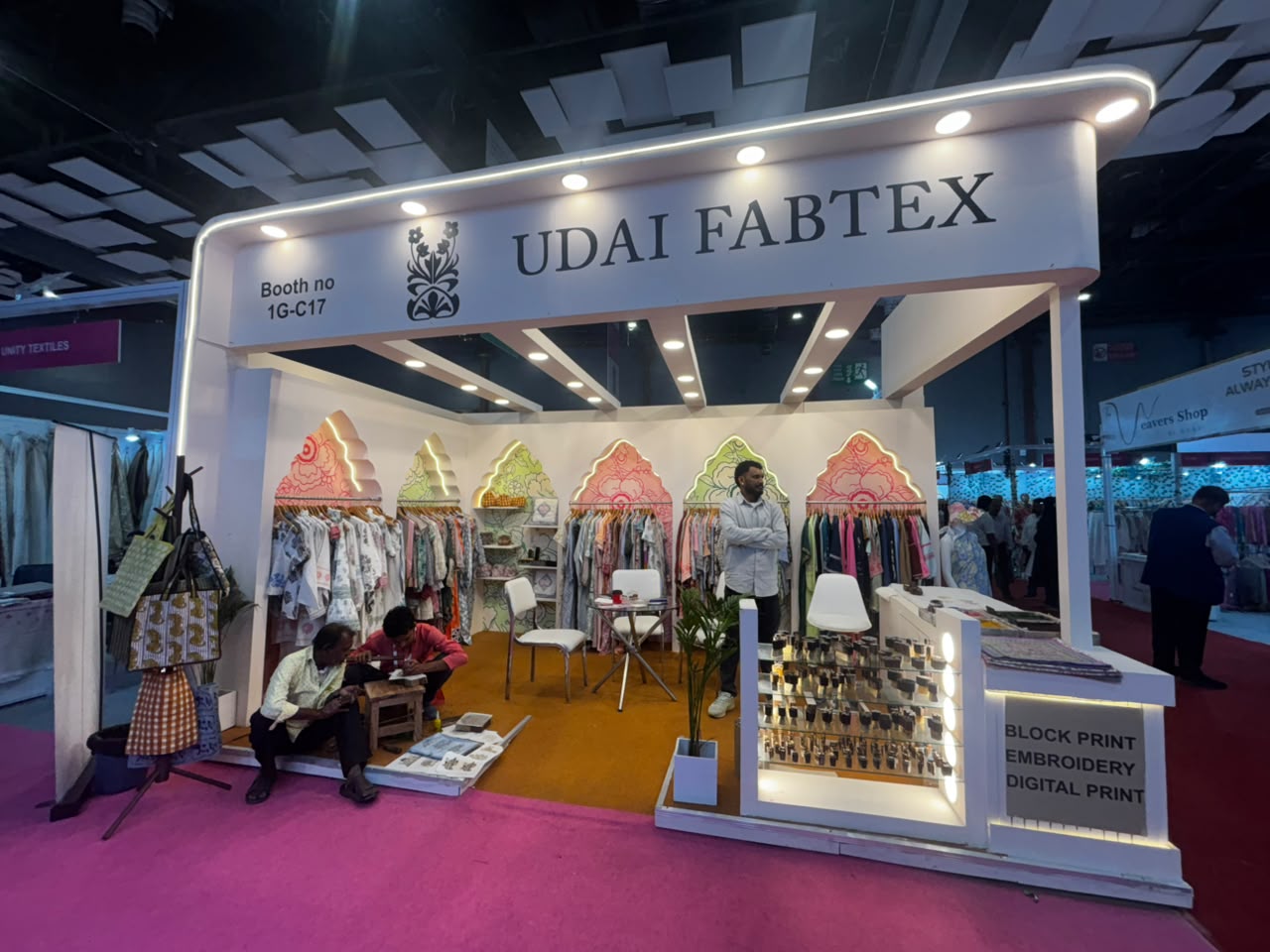
Booking exhibition space is only the beginning of preparing for a trade show. The bigger challenge is turning that empty floor area into a professional space that attracts visitors, presents the brand clearly and is ready before the event opens.
A reliable exhibition stand builder manages much more than basic construction. The job can include planning, 3D design, production, graphics, logistics, installation and final venue handover. For exhibitors, having these stages coordinated by one experienced team can make the entire project easier to manage.
What Does an Exhibition Stand Builder Actually Do?
An exhibition stand builder converts an exhibitor's requirements into a physical stand that is practical, visually consistent and suitable for the venue.
The process usually begins with understanding the stand size, number of open sides, branding requirements, product displays, meeting areas, storage needs and visitor flow. Once these details are clear, the design team can develop a concept that works within the available space and budget.
Depending on the project, the builder may also manage technical drawings, flooring, lighting, graphics, furniture, AV equipment, transport, installation and dismantling.
This is why exhibitors should look beyond attractive 3D visuals when comparing suppliers. The ability to execute the approved design on time is just as important as the concept itself.
Why Exhibition Stall Design and Fabrication Should Work Together
Good exhibition stall design and fabrication should be treated as one connected process.
A creative booth design may look impressive on screen, but it still needs to be practical to manufacture, transport and install. Materials, structural requirements, venue regulations, electrical points and build schedules can all affect the final result.
When the design and fabrication teams work together from the beginning, potential issues can be identified before production starts. This reduces the need for last-minute changes at the venue.
Exhibitors should therefore ask whether the supplier handles design and fabrication internally or coordinates the complete process through a dedicated project team.
What Should Exhibitors Prepare Before Fabrication Starts?
Before production begins, the main project details should be clearly approved.
These normally include:
- Final 3D design and layout
- Stand dimensions and technical drawings
- Materials and finishes
- Branding and graphic artwork
- Lighting and electrical requirements
- Furniture and display requirements
- Storage and meeting spaces
- Installation and dismantling schedule
The quotation should also clearly explain what is included. Exhibitors should check whether transport, installation, graphics, furniture, electrical work and venue-related services are part of the quoted price.
A detailed brief helps an exhibition booth builder provide a more accurate design and cost estimate.
How Does an Exhibition Booth Builder Manage Installation?
The installation stage is where planning becomes especially important.
Exhibition venues normally allow contractors to enter during fixed build-up periods. The booth builder must coordinate material delivery, crew access, graphics, electrical work, lighting and final finishing within the available setup window.
Before handover, exhibitors should check that branding is correctly positioned, lights are working, furniture is in place, storage areas are accessible and all visible surfaces are properly finished.
For international exhibitions, it is also worth asking how the contractor manages local production, overseas shipping or partner teams at the destination.
How to Choose the Right Exhibition Stand Builder
Price matters, but it should not be the only factor.
Exhibitors should review the supplier's previous work, relevant industry experience, project scale and ability to manage design, fabrication and installation. It is also useful to understand who will be responsible for communication throughout the project.
A company such as Stall Designs can be evaluated on its approach to exhibition stand design, fabrication and execution when comparing possible booth partners for upcoming trade shows.
The objective is not simply to find the cheapest quotation. It is to select a team that understands how to turn the brief into a practical, brand-focused and show-ready stand.
Practical Tips Before Finalising a Booth Builder
Ask for a clear timeline covering design approval, production, transport and installation. Confirm how design revisions are managed and whether there are additional costs for major changes.
If your company participates in several exhibitions each year, also discuss whether parts of the stand can be reused or adapted for future events. Modular or reusable elements may help improve long-term exhibition planning.
FAQs
What information should I give an exhibition stand builder?
Provide the event name, venue, dates, stand size, floor plan, open sides, branding guidelines, display requirements, reference images and expected budget.
How early should exhibition stall design and fabrication begin?
For custom stands, planning should ideally begin several weeks or months before the exhibition. Larger or international projects may require additional time for approvals, logistics and production.
What is the difference between an exhibition booth builder and an exhibition stand builder?
The terms are often used interchangeably. “Exhibition booth builder” is common in markets such as the United States, while “exhibition stand builder” is widely used in Europe, the Middle East and other international exhibition markets.
Final Thoughts
Successful exhibition stands depend on more than creative design. They require coordination between planning, exhibition stall design and fabrication, logistics and on-site installation.
Whether you are evaluating an exhibition stand builder or an exhibition booth builder, focus on the complete delivery process rather than the first visual concept alone.
A supplier that can manage design, production and venue execution as one connected project can help make exhibition preparation more predictable and easier to control.