Filler Injections with PRP: Practical Guide to Combined Skin Rejuvenation
-

- April 17th, 2026
- 372 views
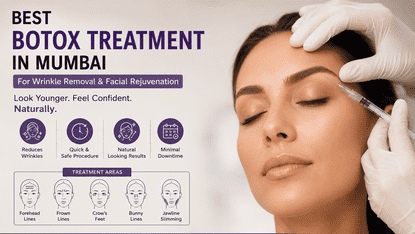
Filler injections with PRP are a combined approach that pairs injectable dermal fillers and platelet-rich plasma (PRP) to restore volume and stimulate tissue repair. This guide explains how the combination works, realistic results, safety considerations, and practical steps for anyone researching combined skin rejuvenation options.
Detected intent: Informational
- Combination treatments use hyaluronic acid or other fillers plus PRP to add immediate volume and encourage collagen remodeling.
- Suitable for mid-face volume, tear troughs (with caution), and superficial skin texture improvements when performed by trained clinicians.
- Includes a practical REPAIR framework and a SAFER checklist for evaluation, procedure, and recovery planning.
Filler injections with PRP: How it works
The clinical idea behind combining injectable dermal fillers and PRP is complementary action: the filler provides immediate structural support and volume while PRP—an autologous concentration of platelets—releases growth factors that can support tissue healing and collagen production. The combination can address volume loss, fine lines, and skin texture in a single session or staged treatments depending on goals and anatomy.
Who is a good candidate and key contraindications
Ideal candidates have realistic expectations, localized volume loss, and good overall health. Contraindications include active infection at the injection site, certain blood disorders, or ongoing anticoagulant therapy that cannot be safely managed. For any medical questions and approved device guidance, consult the U.S. Food and Drug Administration's overview of dermal fillers: FDA: Dermal Fillers.
Benefits and limitations: PRP facial rejuvenation benefits and results
Combining PRP and fillers can offer several advantages: faster perceived improvement, potential for better skin quality over months, and reduced bruising in some cases. Limitations include variable response to PRP, need for repeat treatments to maintain collagen remodeling, and additional cost and time compared to filler alone.
Realistic timeline
Immediate volume from filler is visible right away. PRP-driven improvements (texture, firmness) typically develop over 6–12 weeks as collagen remodels. Full combined results are usually assessed at the 3-month mark.
The REPAIR framework: a named model for planning combined treatments
The REPAIR framework provides a structured way to evaluate and deliver combined treatments safely and effectively:
- Recognize goals — define volume goals, texture improvement, and tolerance for downtime.
- Evaluate anatomy — assess skin quality, vascular pathways, and filler placement zones.
- Plan materials — choose filler type, PRP processing method, and anesthesia strategy.
- Administer safely — use proper aseptic technique, aspiration where appropriate, and ultrasound when needed.
- Inform recovery — give clear aftercare instructions and escalation steps for complications.
- Review outcomes — schedule follow-up to document response and plan maintenance.
Step-by-step practical procedure outline
Preparation
Medical history, photo documentation, informed consent, and marking of treatment zones. If both filler and PRP are planned the same day, draw blood first for PRP processing to allow centrifugation while preparing the injection sites.
Injection sequence
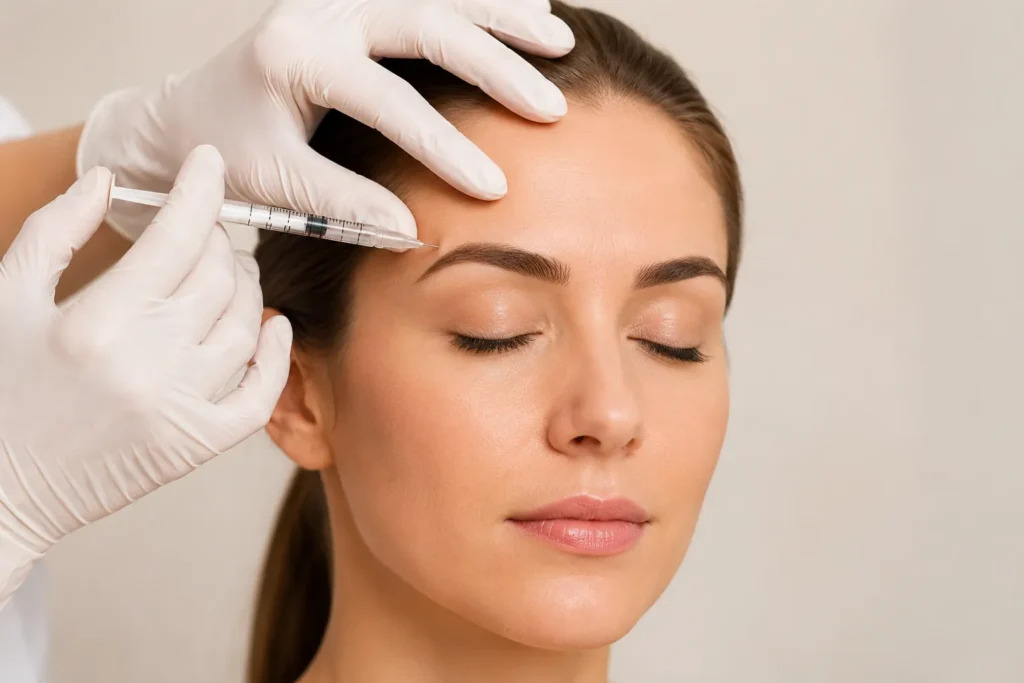
Common approaches: inject structural deep filler first to restore volume, then apply PRP intradermally (skin booster) or subdermally to stimulate healing. Some clinicians use PRP mixed with small-volume microboluses of filler in specific techniques—this is practitioner-dependent and requires training.
Recovery
Expect mild swelling and bruising. Cold packs, sleep elevation, and short-term avoidance of heavy exercise and alcohol help recovery. Follow-up at 1–2 weeks for bruising resolution and 3 months for outcome assessment.
SAFER checklist before any combined treatment
- Screen for contraindications (infection, blood disorders, medications).
- Confirm PRP processing protocol and sterile handling.
- Verify filler choice and expiration, storage conditions.
- Educate patient on signs of vascular occlusion and emergency contacts.
- Document baseline photos and consent, including discussion of alternatives.
Common mistakes and trade-offs
Combining therapies can increase procedure complexity and cost. Common mistakes include:
- Inadequate anatomical assessment leading to improper filler placement.
- Using low-quality PRP protocols that yield inconsistent platelet concentrations.
- Mismatched expectations about how much PRP can change deep structural volume.
Trade-offs to consider: adding PRP may improve texture but not replace structural filler needs; performing both same-day reduces visits but may limit flexibility in staged adjustments.
Practical tips for safer, better outcomes
- Choose a clinician with documented training in both filler anatomy and PRP handling.
- Request documentation of the PRP device and protocol (platelet concentration, centrifuge settings) to understand processing consistency.
- Prioritize conservative filler placement with planned touch-ups rather than large single-session volumes.
- Maintain a photo log to compare changes over 3 months and guide retreatment intervals.
- Discuss contingency plans for adverse events, including access to hyaluronidase if hyaluronic acid filler is used.
Short real-world example
Case scenario: a 45-year-old patient with midface volume loss and early skin laxity chooses combined treatment. After REPAIR evaluation, a hyaluronic acid filler is placed in the malar region for lift, and PRP microinjections are administered across the cheek and perioral skin. At 2-week follow-up swelling has subsided; at 3 months the patient reports improved cheek projection and smoother skin texture. Maintenance is planned at 12–18 months depending on filler resorption and skin changes.
Core cluster questions for internal linking
- What are the safety differences between fillers alone and combined PRP-filler treatments?
- How long do results last after PRP and filler combination therapy?
- What is the recovery timeline for PRP facial procedures?
- Can PRP reduce bruising after injectable fillers?
- Which filler types pair best with PRP for midface rejuvenation?
Next steps: how to research providers and verify credentials
Look for clinicians licensed in dermatology, plastic surgery, or oral-maxillofacial surgery with documented training in injectables and PRP. Verify board certification, ask about complication protocols, and confirm facility standards for sterility and emergency response.
Outcomes measurement and follow-up planning
Use standardized photos, patient-reported outcome measures (e.g., satisfaction and downtime), and objective skin assessments when available. Schedule short-term and 3-month reviews to decide on maintenance or retreatment.
FAQ
What are the risks of filler injections with PRP?
Risks include common injection-related effects (swelling, bruising, redness), infection, and rare vascular occlusion. PRP-specific risks are minimal when autologous blood is handled aseptically, but processing errors can reduce efficacy. Immediate access to emergency protocols and reversal agents (if applicable) is important.
How long do results last after combined PRP and filler treatment?
Immediate filler effects typically last 6–18 months depending on filler type and placement. PRP-driven collagen improvements may persist longer biologically but do not replace filler volume. Maintenance varies by individual metabolism and aging.
Can PRP be mixed with filler for better results?
Some clinicians use small-volume mixtures or sequential injections; clinical approaches vary. Mixing requires understanding compatibility and product instructions. When using hyaluronic acid, ensure safe practices and confirm product stability.
How soon is it safe to exercise after combined treatment?
Light activity is usually acceptable after 24–48 hours. Strenuous exercise, sauna, or heavy lifting should be avoided for 48–72 hours to reduce bleeding and swelling. Follow specific clinician aftercare instructions.
Will filler injections with PRP improve skin texture as well as volume?
Yes—PRP targets skin quality by releasing growth factors that can stimulate collagen and elastin over weeks to months, while fillers restore structure immediately. Results vary by skin condition and PRP protocol.