Novruz in Azerbaijan: Complete Guide to Traditions, Food, and Festivities
-
- March 16th, 2026
- 288 views

Get a free topical map and start building content authority today.
Novruz in Azerbaijan: an introduction
Novruz in Azerbaijan is the spring New Year celebration that blends pre-Islamic Persian, Turkic, and local Caucasian customs into a vibrant public holiday of renewal, food, and community ritual. Celebrated around the vernal equinox (March 20–21), the holiday features symbolic fires, Haft-Sin–style tables, special foods, and regional festivities that vary from village to city. This guide explains what to expect, how to participate respectfully, and practical planning tips for attending Nowruz celebrations in Baku or the regions.
Detected intent: Informational
Key points: Novruz marks spring renewal; expect bonfires, the khoncha (table with seven items), traditional sweets, and public concerts. UNESCO lists Novruz as intangible cultural heritage. This guide includes a named visitor checklist, a short scenario of attending a celebration, 3–5 practical tips, and common mistakes to avoid.
Core cluster questions:
- How are traditional Haft-Sin or khoncha tables arranged during Novruz?
- What are must-try Novruz foods in Azerbaijan?
- Where are the biggest Novruz celebrations in Azerbaijan?
- How long does Novruz last and what are its main rituals?
- What etiquette should visitors follow when attending Novruz events?
Novruz in Azerbaijan: cultural overview
Novruz (also spelled Nowruz) is an ancient spring festival recognized across Iran, Central Asia, and parts of the Caucasus. Azerbaijan’s Novruz blends Turkic and Persian heritage with local Azerbaijani customs, producing distinct regional variations. Official recognition by organizations such as UNESCO highlights the holiday’s cultural importance; UNESCO’s listing documents the festival’s rituals and social role in the region (source).
Core rituals and symbols
- Bonfires and jumping over flames to symbolize purification and renewal.
- Khoncha or Haft-Sin tables—a decorated tray with seven symbolic items representing life, health, and prosperity.
- Sprouted wheat (samani) signifying rebirth.
- Traditional music, dances, and public performances in towns and city squares.
- Visiting family and neighbors, offering sweets and gifts to guests.
History and official recognition
Novruz has deep roots in Zoroastrian and pre-Islamic seasonal rituals and was later incorporated into regional traditions. The holiday’s intangible cultural value is recognized by UNESCO, and national cultural institutions in Azerbaijan coordinate public events and preservation programs.
Food and recipes: Azerbaijan Novruz food traditions
Food is central to Novruz in Azerbaijan. Special dishes and sweets symbolize abundance and health. Expect to find:
- Sumak-gozleme and various flatbreads—freshly baked breads represent hospitality.
- Piti and plov (pilaf) served at family gatherings and communal feasts.
- Sweets such as shekerbura (filled pastry), pakhlava (baklava-style layers), and gugari (nuts and sugar confections).
- Sprouted wheat (samani) used for decoration and symbolic consumption in some families.
Many families prepare a set of seven sweets or dishes to place on the khoncha; the exact menu depends on region and family tradition.
Attending celebrations: what to expect in Baku and regions
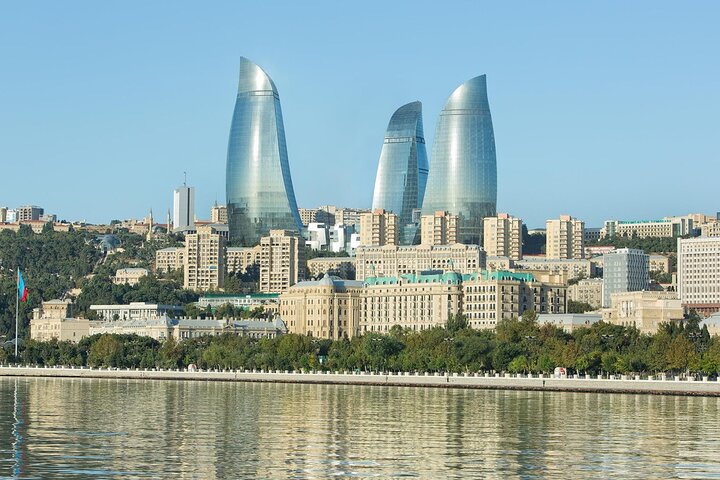
Nowruz celebrations in Baku combine official programming—concerts, fountains and light displays—with neighborhood rituals like fire-jumping and home visits. Rural regions often keep older forms of celebration, such as communal bonfires and folk performances. Expect crowds near public squares, museums, and parks during the holiday week.
Example scenario: a day experiencing Novruz in Sheki
Arrive mid-morning to see the khoncha displays at the local cultural center, then walk to the bazaar where vendors sell shekerbura and pakhlava. Join a small community bonfire in the afternoon (observe and ask permission before participating), and end the day with a family-style plov meal at a guesthouse. The sequence—market, bonfire, home visit—illustrates the blend of public and private rituals common across regions.
Novruz Visitor Checklist (named framework)
Use the "Novruz Visitor Checklist" to prepare for respectful, smooth participation:
- Timing: Confirm holiday dates around March 20–21 and note local public events.
- Clothing: Dress modestly for home visits and religious sites; bring a light jacket for outdoor evening events.
- Gifts and etiquette: Bring sweets or small gifts for hosts; accept food offers graciously.
- Photography: Ask permission before photographing people, especially during private rituals.
- Transport and bookings: Expect higher demand for transport and lodging—book early if traveling from abroad.
Practical tips for visitors
- Plan around public transport schedules—many services adjust timetables during the holiday week.
- Learn a few local phrases—greetings and thank-you words go a long way at home visits.
- Join public events for accessible experiences; seek guided cultural programs for deeper context.
- Respect private rituals—observe before joining traditional fire-jumping or family meals.
Common mistakes and trade-offs
Trade-offs when attending Novruz include choosing crowded public spectacles vs. small, authentic family experiences. Common mistakes include:
- Assuming all events are tourist-oriented—many rituals remain private and require an invitation.
- Over-photographing without consent, which can offend hosts or participants.
- Underestimating travel demand—last-minute plans can be costly or limit options.
Safety, accessibility, and local resources
Public safety generally improves during official events through municipal coordination, but open flames require caution—avoid close proximity to bonfires and supervise children. For official program schedules and cultural guidelines, check local cultural ministry announcements and municipal event listings.
Related terms and institutions
Related entities and terms helpful for further reading: UNESCO (intangible cultural heritage), Azerbaijan Ministry of Culture, Haft-Sin/khoncha, samani (sprouted wheat), shekerbura, pakhlava, public bonfire rituals.
Further planning: when to go and what to book
Best timing: arrive a few days before the equinox to see preparations, and stay through the main holiday days. Book accommodations and intercity transport early. For culturally immersive experiences, seek opportunities in smaller towns where communal rituals remain strong.
FAQ
What is Novruz in Azerbaijan and when is it celebrated?
Novruz in Azerbaijan is the spring New Year celebration observed around the vernal equinox (March 20–21). It includes symbolic fires, khoncha tables with seven items, special foods, music, and family visits. Public and private rituals unfold over several days around the equinox.
What traditional foods are served during Novruz in Azerbaijan?
Expect sweets like shekerbura and pakhlava, regional breads, plov (pilaf), and local stews. Many families prepare an assortment of seven dishes or sweets for symbolic reasons.
How can a visitor respectfully join Novruz celebrations?
Attend public events, bring small gifts for hosts, dress modestly for private visits, ask permission before photographing people, and observe first before joining rituals like fire-jumping.
Where are the biggest Novruz celebrations in Azerbaijan?
Major public festivities occur in Baku’s squares, parks, and cultural centers. Smaller cities and rural areas often hold more traditional, community-focused rituals.
Are Novruz events family-friendly and accessible?
Yes—many Novruz activities are family-oriented, but accessibility varies by venue. Check event details in advance and plan for crowd management and variable terrain at outdoor bonfire sites.