Expert Systems and AI-Powered Digital Transformation: Roles, Risks, and Best Practices
-

- February 23rd, 2026
- 1,248 views
Expert systems are rule-based AI tools that encode domain knowledge to support or automate decision-making in digital transformation initiatives. These systems—built around a knowledge base and an inference engine—remain influential as organizations adopt AI-powered processes across operations, customer experience, and compliance.
- Expert systems encapsulate domain expertise to automate routine decisions and provide decision support.
- They integrate with machine learning, NLP, and automation platforms to accelerate AI-powered digital transformation.
- Governance, transparency, and knowledge management are key to effective deployment.
Overview: What expert systems are and why they matter
Expert systems are a class of AI that represent expert knowledge in a formal structure—commonly rules, ontologies, or decision trees—and apply an inference mechanism to reason over that knowledge. Historically prominent in healthcare, finance, and engineering, expert systems help scale specialized decision-making by codifying best practices, regulatory rules, and troubleshooting procedures. In the context of digital transformation, they act as building blocks for consistent, auditable, and repeatable processes.
Expert systems in AI-Powered Digital Transformation
Role within enterprise architectures
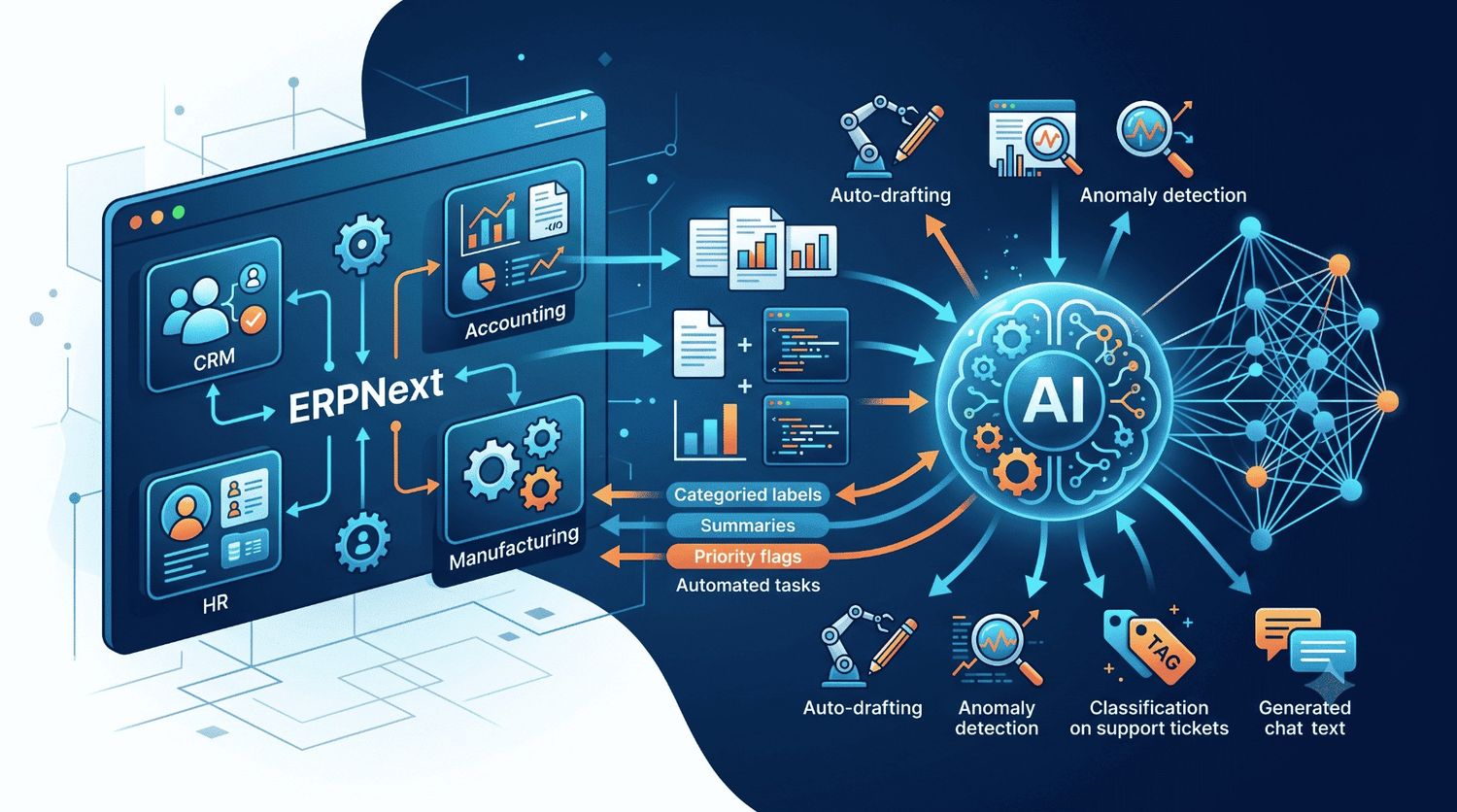
In modern enterprise stacks, expert systems often sit alongside data platforms, machine learning models, and workflow automation engines. They provide deterministic logic where explainability and compliance are critical—for example, eligibility checks, rule-based approvals, and standard operating procedures—while statistical models handle prediction and pattern recognition.
Benefits for digital transformation
Key benefits include faster onboarding of domain knowledge, improved consistency in decisions, reduced dependency on individual experts, and clearer audit trails. When integrated with process automation (RPA) and conversational interfaces, expert systems can deliver guided experiences and structured responses that align with organizational policies.
Key components and related technologies
Knowledge base
The knowledge base stores facts, rules, and relationships about a domain. It can be implemented as rule sets, semantic graphs, or ontologies. Effective knowledge management practices are essential to keep content current as regulations and business rules evolve.
Inference engine
The inference engine applies logical reasoning—forward chaining, backward chaining, or hybrid approaches—to derive conclusions from the stored rules and facts. Traceability mechanisms help explain why a decision was reached.
Integration with machine learning and NLP
Expert systems complement machine learning (ML) by providing transparent rule-based decisions where ML models may be less interpretable. Natural language processing (NLP) can be used to extract rules from text, map unstructured inputs to structured facts, or power conversational interfaces that query the expert system.
Common use cases across industries
Healthcare and clinical decision support
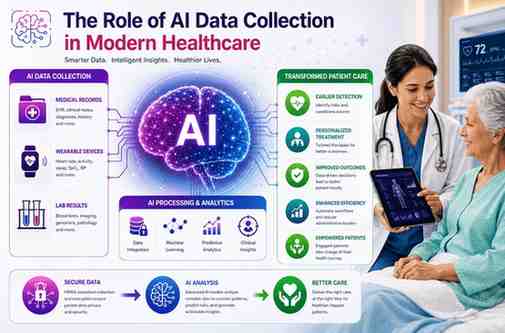
Rule-based clinical decision support systems codify diagnostic guidelines, drug interaction checks, and care pathways. These systems emphasize traceability and alignment with clinical standards.
Finance and compliance
In banking and insurance, expert systems are used for eligibility checks, fraud detection rules, regulatory reporting, and anti-money laundering workflows where defined thresholds and rules are required.
Manufacturing and maintenance
Expert systems support troubleshooting, preventive maintenance schedules, and process control where domain knowledge about equipment behavior leads to consistent actions.
Governance, standards, and risk management
Successful deployment of expert systems requires governance frameworks that address data quality, version control of rules, explainability, and accountability. Standards and guidance from regulators and technical bodies inform best practices; for example, organizations often align risk-management approaches with frameworks produced by official institutions such as NIST when assessing AI-related risks.
Integration and implementation considerations
Knowledge acquisition and maintenance
Capturing expert knowledge is an ongoing process: rules must be validated, tested, and updated as policies, markets, or technical conditions change. Collaboration between subject-matter experts and system engineers is essential.
Interoperability and APIs
Expert systems deliver the most value when exposed through APIs and integrated with data sources, ML services, and orchestration layers. Interoperability enables hybrid architectures that combine deterministic logic with probabilistic models.
Explainability and auditability
Because expert systems often codify regulatory or safety-critical logic, features that log decision paths and provide human-readable explanations help satisfy audit requirements and build stakeholder trust.
Future directions
Emerging trends include the fusion of knowledge graphs with ML-driven embeddings, automated rule extraction from documentation using NLP, and tighter integration with low-code automation platforms. Academic research continues to explore hybrid models that preserve interpretability while leveraging data-driven accuracy.
Implementation checklist
- Define measurable objectives for the expert system (e.g., reduced decision time, compliance coverage).
- Establish governance for rule lifecycle and version control.
- Plan for integration with ML models, data sources, and workflow engines.
- Include logging and explainability features for audits and stakeholder review.
- Invest in knowledge engineering and user training to maintain system relevance.
Frequently Asked Questions
What are expert systems and how do they contribute to digital transformation?
Expert systems are software applications that encode domain knowledge and apply logical inference to support or automate decisions. They contribute to digital transformation by providing consistent, auditable decision-making that can be integrated with automation, analytics, and customer-facing systems.
How do expert systems differ from machine learning models?
Expert systems rely on explicit rules and symbolic reasoning, prioritizing interpretability and deterministic behavior. Machine learning models infer patterns from data and often offer probabilistic predictions. Hybrid architectures leverage both approaches to balance explainability and predictive performance.
What governance practices are recommended when deploying expert systems?
Recommended practices include documenting rule provenance, establishing review cycles, maintaining version control, implementing audit logs, and aligning risk assessments with recognized frameworks from standards bodies and regulators.