Cosmetic Treatments for Overlapping Teeth: A Practical Patient Guide
-
- March 14th, 2026
- 334 views

FREE SEO Topical Map Generator: Find Your Next Content Ideas
Overlapping teeth are a common concern for people who want a straighter, more aesthetic smile without large-scale orthodontics. This guide explains the main cosmetic treatments for overlapping teeth, how they work, who they suit, and what realistic results to expect. It focuses on actionable information patients can use when talking with a dentist or orthodontist.
Detected intent: Informational
Key options: clear aligners, porcelain veneers, composite bonding, limited orthodontics, and interproximal reduction. Choose based on severity, bite function, enamel condition, and long-term maintenance.
Quick takeaway: Mild overlap often responds well to clear aligners or bonding; moderate to severe overlap usually needs orthodontics or veneers combined with orthodontic preparation.
Cosmetic treatments for overlapping teeth: options at a glance
When evaluating cosmetic treatments for overlapping teeth, consider these common choices: clear aligners, fixed braces (orthodontics), porcelain veneers, composite bonding, and enamel reshaping (interproximal reduction). Each option addresses overlap differently—some move teeth, others alter tooth shape or appearance. Severity of overlap, gum and bone health, age, and cosmetic goals determine the best path.
How each treatment works
Clear aligners for mild overlap
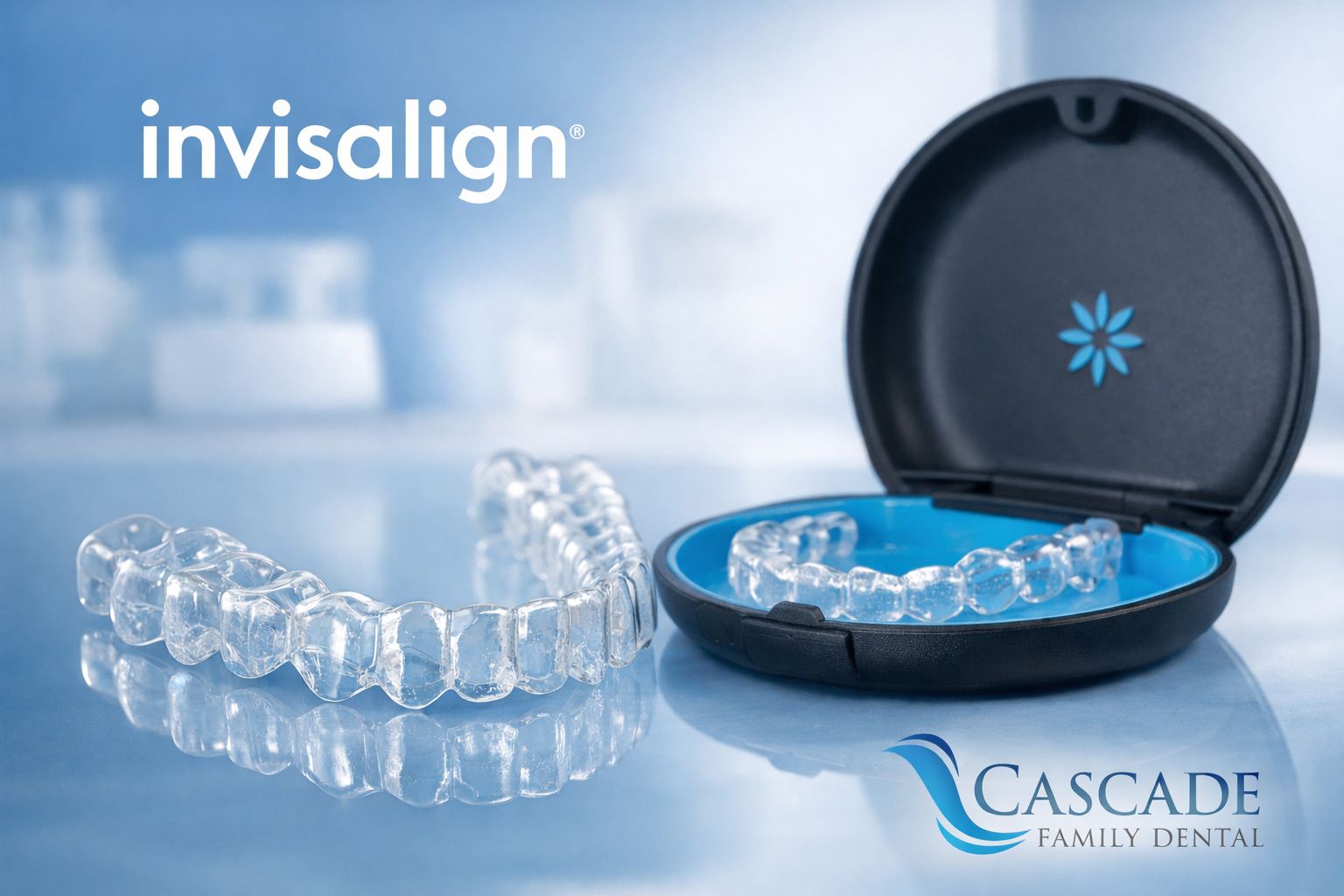
Clear aligners move teeth gradually with a series of removable trays. They work best for mild-to-moderate overlap and when posterior bite relationships are acceptable. Advantages include removability, aesthetics during treatment, and predictable digital planning. Limitations: treatment time varies, and severe rotations or crowding may need attachments, interproximal reduction, or fixed appliances.
Orthodontics (braces) for moderate to severe overlap
Fixed braces remain the most predictable solution for moderate-to-severe crowding and complex bite issues. Braces provide precise tooth movement and control of root position, which is often necessary for long-term stability and proper function.
Porcelain veneers for crowded or overlapping teeth
Veneers change tooth shape, length, and color by placing thin ceramic shells over prepared teeth. For overlapping teeth, veneers can create the visual appearance of aligned teeth without moving them. This is a faster cosmetic route but may require enamel reduction and does not correct underlying bite problems. Veneers are durable but involve irreversible preparation and ongoing maintenance.
Composite bonding and enamel reshaping
Composite bonding uses tooth-colored resin to reshape teeth and mask minor overlap. Enamel reshaping (interproximal reduction) removes tiny amounts of enamel to create space. These are conservative and lower-cost options for mild cases but are less stable over time than orthodontic correction.
SMILE checklist: a quick decision framework
Use the SMILE checklist during consultation to compare options:
- Severity: Measure how much overlap and whether it affects bite.
- Medical/dental factors: Check gum health, cavities, or wear.
- Imaging: Use photos and X-rays to assess root positions and bone support.
- Long-term plan: Consider maintenance, retreatment risks, and longevity.
- Expectations and cost: Align cosmetic goals with realistic outcomes and budget.
Practical comparison: trade-offs and common mistakes
Choosing among cosmetic treatments involves trade-offs:
- Speed vs permanence: Veneers and bonding are faster but can be irreversible; orthodontics is slower but addresses root positions and function.
- Appearance vs biology: Covering misalignment cosmetically (veneers) leaves underlying alignment issues that can cause wear or periodontal stress if not evaluated carefully.
- Cost vs maintenance: Clear aligners may require retainers for life; veneers may need replacement after 10–15 years.
Common mistakes
- Choosing veneers solely for appearance without addressing bite or gum health.
- Underestimating the need for retainers after alignment treatments.
- Not requesting diagnostic mock-ups or digital previews before irreversible work.
Real-world example scenario
Case: A 32-year-old with mild upper incisor overlap and good gum health wants a quicker cosmetic fix. After imaging and bite analysis, a combined plan was chosen: two months of clear aligner alignments with targeted interproximal reduction to create space, followed by minimal composite bonding to refine shapes. Result: aligned teeth that required no porcelain veneers, a predictable retention strategy, and preservation of enamel.
Practical tips for patients
- Get full records: full-mouth photos, study models, and a bite X-ray (panoramic or cephalometric) before deciding.
- Ask for a digital simulation or wax-up to preview results of veneers or aligners.
- Prioritize periodontal health—gum disease changes treatment options and outcomes.
- Understand maintenance: veneers and bonding need care; retainers are essential after orthodontic movement.
Core cluster questions
- When is orthodontic treatment necessary instead of cosmetic bonding for overlapping teeth?
- How long do clear aligners take to correct mild overlap?
- What are the enamel risks of porcelain veneers for overlapping front teeth?
- Can interproximal reduction safely create space for cosmetic alignment?
- What retention strategies work best after correcting overlapping teeth?
Evidence and guidance
Recommendations about when to refer for orthodontic evaluation and conservative space creation follow widely accepted dental standards and the clinical guidance used by dental associations. For general information on orthodontic approaches and patient resources, see the American Dental Association's patient information on orthodontics: ADA — Orthodontics.
How to prepare for a consultation
Bring photos of the current smile, a list of cosmetic goals, and any history of dental work or jaw problems. Ask the clinician to outline: expected timeline, whether teeth will be moved or reshaped, potential risks to enamel or gum tissue, and long-term maintenance needs (retainers, replacements, repairs).
When cosmetic options are appropriate and when to choose orthodontics
Mild cosmetic concerns—small overlaps that do not affect bite—are suitable for clear aligners, bonding, or veneers depending on desire for speed versus conservation of tooth structure. Choose orthodontics when overlap is moderate to severe, when the bite is affected, or when root position must be corrected for long-term health.
Final recommendations
Match treatment to clinical needs: preserve enamel where possible, correct bite when necessary, and make decisions based on long-term function as well as appearance. Use the SMILE checklist during consultations and request mock-ups or simulations before irreversible treatment.
What are the most effective cosmetic treatments for overlapping teeth?
Effectiveness depends on severity: clear aligners and orthodontics effectively move teeth; veneers and bonding change appearance quickly. The best choice balances biological health, desired timing, and maintenance.
Can clear aligners fix overlapping teeth without veneers?
Yes—clear aligners can correct many cases of mild-to-moderate overlap without veneers if enough space exists or can be created conservatively (for example, with interproximal reduction).
Are porcelain veneers a good option for overlapping front teeth?
Porcelain veneers can provide an immediate cosmetic improvement for overlapping front teeth, but they require enamel preparation and do not address root positioning. Consult a dentist to evaluate bite forces and gum health before choosing veneers.
How long do results last for cosmetic bonding or veneers on overlapping teeth?
Composite bonding may need touch-ups every few years; porcelain veneers typically last 10–15 years with good care. Retainers and regular dental check-ups help maintain alignment and detect wear early.
What should be included in a treatment consultation for overlapping teeth?
Ask for a full exam, imaging, a discussion of options (move teeth vs. change appearance), a timeframe, cost estimates, risks, and mock-ups or digital simulations so expected outcomes are clear.