Rajiv Chowk Gurgaon Connectivity: How the Hub Shapes Transit and Development
-
- Published Updated
- 497 views
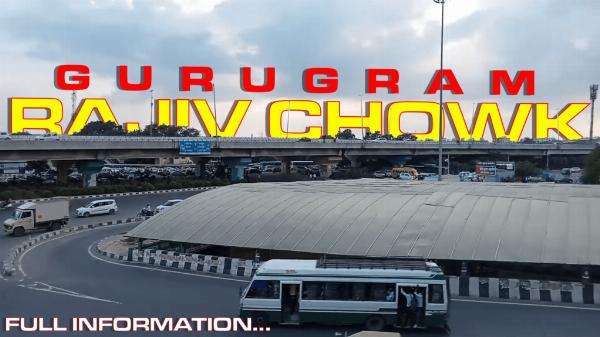
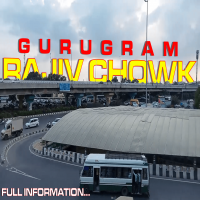
Rajiv Chowk Gurgaon connectivity is central to understanding how this crossroads functions as a local transit node and a catalyst for nearby development. This guide explains the transport links, land-use patterns, and planning trade-offs that shape Rajiv Chowk today — and what to watch for as the area evolves.
Detected intent: Exploratory
Rajiv Chowk Gurgaon connectivity: practical overview
What Rajiv Chowk is and why connectivity matters
Rajiv Chowk is a junction point that links arterial roads, bus services, and feeder routes in Gurgaon. Its role is not just movement of vehicles: good connectivity increases access to jobs, retail, and services while poor design creates congestion, missed economic opportunities, and safety risks. This section focuses on physical links and the planning context.
Location, transport links, and the Gurgaon transport hub role
Rajiv Chowk sits near major commercial stretches and feeder roads that carry traffic between residential sectors and business districts. Typical link types include dedicated bus routes, shared-autos, private taxis, and bicycle/pedestrian paths. As a Gurgaon transport hub, the area’s capacity depends on interchange quality, signal timing, and the presence of safe sidewalks and crossings.
Planning context and responsible agencies
Planning and approvals that affect Rajiv Chowk come from state and municipal bodies. For official planning maps and guidelines, refer to the Gurugram Metropolitan Development Authority (GMDA) which publishes master plans and project updates for the city (GMDA). Coordination with traffic police and local municipal departments is necessary for durable traffic solutions.
ACCESS checklist for assessing Rajiv Chowk Gurgaon
Use the ACCESS checklist to evaluate connectivity at a glance. ACCESS is a practical framework suitable for site audits by planners, developers, and community groups.
- Assess: Map modes (bus stops, taxi stands, cycle paths, pedestrian links).
- Connectivity: Count direct links to major destinations and modal transfer quality.
- Commerce readiness: Identify vacant or underused frontage for retail and services.
- Environment: Note shading, tree cover, stormwater drainage and public space.
- Safety: Review crossing availability, lighting, and crash history data.
- Services: Check for parking, information signage, and last-mile options.
Real-world example: commuter route and mixed-use redevelopment
Scenario: A weekday commuter travels from a residential sector to an office cluster near Rajiv Chowk. The trip uses a feeder bus to a dedicated stop, a 400-meter walk across a signalized intersection, and a short shared-auto for the last mile. Recent mixed-use redevelopment converted a surface parking lot into a building with ground-floor shops and upper-level offices, shortening the commute for some workers and increasing pedestrian demand at the junction. This real-world pattern demonstrates how transit, last-mile options, and land-use decisions interact.
Practical tips for commuters, businesses, and planners
- Prioritize first/last-mile options: Add clear pedestrian paths, shaded waiting areas, and secure bike parking to reduce private vehicle dependency.
- Coordinate schedule alignment: Local bus operators and feeder services should align peak frequencies to minimize transfers and waiting times.
- Implement visible wayfinding: Use concise signage for bus stops, taxi stands, and pedestrian routes to improve user experience and reduce illegal stopping.
- Phase construction to preserve access: For upgrades near Rajiv Chowk, maintain at least one pedestrian route and temporary bus stop to avoid service disruption.
Trade-offs and common mistakes when evaluating Rajiv Chowk
Common trade-offs
- Vehicle throughput vs. pedestrian space: Widening roads can increase capacity short-term but reduces walkability and may encourage more traffic (induced demand).
- Short-term fixes vs. long-term planning: Quick signal timing changes can ease congestion temporarily but comprehensive restructuring (bus lanes, crossings) is needed for lasting benefits.
- Parking supply vs. land value: Allocating large surface parking areas supports cars but limits higher-value mixed-use development.
Common mistakes to avoid
- Ignoring micro-mobility and informal modes — auto-rickshaws and shared cycles often form essential last-mile links and should be integrated, not banned without alternatives.
- Designing for peak-only demand — infrastructure should balance peak flows with off-peak usability for people who travel outside rush hours.
- Underestimating maintenance costs — new sidewalks, lighting, and signal systems require ongoing budgets; plan for upkeep from the start.
Core cluster questions
- What transport modes serve Rajiv Chowk and how frequent are they?
- How does mixed-use development around Rajiv Chowk influence daytime traffic?
- Which agencies handle pedestrian safety audits and street design in Gurgaon?
- What are practical first/last-mile solutions for Rajiv Chowk commuters?
- How can parking policy support transit-oriented growth at Rajiv Chowk?
FAQ
What is Rajiv Chowk Gurgaon connectivity?
Rajiv Chowk Gurgaon connectivity refers to the network of roads, bus routes, pedestrian and cycling links, and last-mile options that together determine how easily people and goods move through the junction. Assess connectivity by mapping modal transfers, service frequency, and quality of pedestrian infrastructure.
Which public agencies manage transport and development around Rajiv Chowk?
Planning and transport functions are typically split: the Gurugram Metropolitan Development Authority (GMDA) or municipal corporation covers land-use and development approvals, while traffic management and public transport coordination involves city traffic police and state-run bus operators.
How can local businesses benefit from improved connectivity?
Better connectivity increases footfall, expands labor catchment areas, and reduces delivery times. Businesses can collaborate with local authorities on short-term measures like improved signage and designated loading zones to see near-term benefits.
What are cost-effective first/last-mile improvements for Rajiv Chowk?
Cost-effective steps include adding covered bus shelters, clear pedestrian crossings, marked cycle lanes, and designated shared-auto stands. These changes improve safety and reduce reliance on private cars without large capital works.
How will future development affect travel times near Rajiv Chowk?
Future development may increase local demand but also create opportunities for modal shift if new projects include transit access, pedestrian-friendly design, and mixed uses that shorten trip lengths. Strategic investments in bus lanes and pedestrian infrastructure help keep travel times stable even as density grows.