What Should You Expect Before and After Eye Surgery?
-

- Published Updated
- 2,206 views
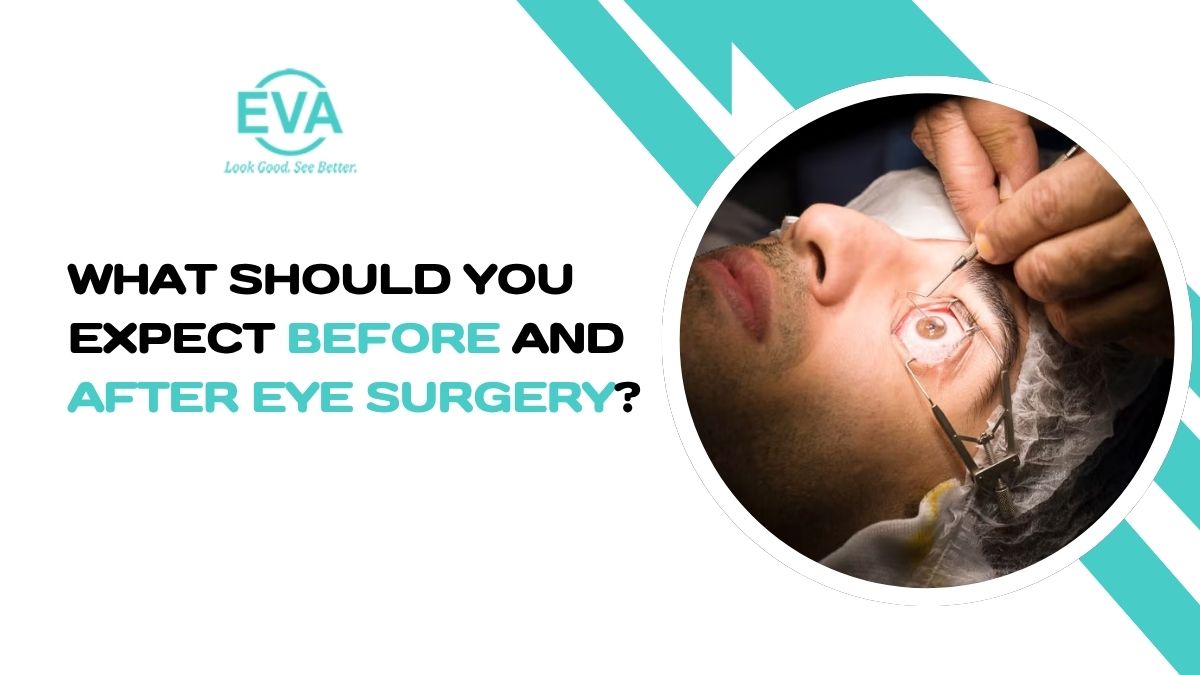
Eye surgery can be an important step toward improving vision, treating an eye condition, or preventing further complications. Whether you are considering cataract surgery, LASIK, glaucoma treatment, retinal surgery, or another procedure, knowing what to expect before and after surgery can make the experience easier and more comfortable.
A proper eye evaluation is the first step toward safe and effective treatment. Consulting an eye specialist doctor in Delhi https://www.suryakantjhaeyesurgeon.com/eye specialist doctor in Delhican help identify the underlying eye condition, assess your overall eye health, and determine whether surgery is appropriate for you. Understanding the complete treatment journey—from consultation and preparation to recovery and follow-up—can also help you make informed decisions about your eye health.
What Happens Before Eye Surgery?
Before undergoing any eye procedure, your doctor will perform a detailed evaluation. The purpose of these examinations is to understand your eye condition and determine the most suitable treatment approach.
1. Comprehensive Eye Examination
Your journey generally begins with a complete eye checkup. Depending on your symptoms and the planned procedure, your doctor may evaluate:
Visual acuity
Eye pressure
Corneal health
Retina and optic nerve
Eye muscles and movement
Tear film and dry eye symptoms
Overall eye structure
Advanced diagnostic tests may also be recommended when necessary. These assessments help the ophthalmologist develop an individualized treatment plan.
2. Discussion About Your Medical History
Your doctor may ask about previous eye problems, medications, allergies, existing medical conditions, and earlier surgeries. Providing accurate information is important because certain health conditions or medications can influence surgical planning and recovery.
If you are taking regular medication, do not stop it unless your healthcare professional specifically advises you to do so.
3. Understanding the Recommended Procedure
Before surgery, your ophthalmologist should explain the procedure, expected benefits, possible risks, recovery period, and alternatives. The exact process varies depending on the type of eye surgery.
For example, cataract surgery involves removing the cloudy natural lens and replacing it with an artificial intraocular lens. Refractive procedures such as LASIK are designed to reshape the cornea to reduce dependence on glasses or contact lenses.
A consultation with an experienced eye specialist in Delhi can help you understand which treatment is appropriate for your specific eye condition.
How Should You Prepare for Eye Surgery?
Your preparation will depend on the type of procedure you are having. Your doctor may provide specific instructions regarding food, medications, eye drops, contact lenses, and personal hygiene.
Some patients may need to stop wearing contact lenses for a specific period before certain eye measurements or procedures. You may also be prescribed eye drops before surgery.
It is important to follow your surgeon's instructions carefully rather than relying on general advice available online.
You should also arrange transportation if your vision may be temporarily affected after the procedure. Having someone accompany you can make the journey home more convenient and safer.
What Happens on the Day of Eye Surgery?
On the day of surgery, the medical team will generally confirm your details, review the planned procedure, and prepare your eye for treatment.
Depending on the procedure, local or topical anesthesia may be used to minimize discomfort. Many common eye surgeries are performed without requiring a long hospital stay.
The duration of surgery varies according to the procedure and individual circumstances. Some procedures may take only a short time, while more complex operations can require longer.
An experienced eye surgeon in Delhi will assess your condition and use the appropriate surgical technique based on your diagnosis and treatment requirements.
What Should You Expect Immediately After Surgery?
After eye surgery, it is normal for your vision to be temporarily different. You may experience mild symptoms such as:
Blurred or hazy vision
Mild irritation
Watery eyes
Light sensitivity
A sensation of dryness
Mild discomfort
The intensity and duration of these symptoms depend on the type of surgery and your individual healing process.
Your doctor may prescribe antibiotic, anti-inflammatory, lubricating, or other eye drops. Use them exactly as instructed.
Avoid rubbing or pressing your eyes, even if they feel itchy or uncomfortable.
What Is Eye Surgery Recovery Like?
Recovery differs significantly between procedures. Some patients notice visual improvement quickly, while others require several days or weeks before their vision stabilizes.
Your ophthalmologist will provide a personalized recovery plan. It may include instructions about:
Using prescribed eye drops
Protecting the eye from dust and accidental injury
Avoiding eye rubbing
Limiting strenuous physical activities temporarily
Keeping follow-up appointments
Using protective eyewear when advised
Following these instructions can support proper healing and reduce the risk of complications.
How Long Does It Take to Recover After Eye Surgery?
There is no single recovery timeline for every eye surgery.
For example, recovery after uncomplicated cataract surgery is generally different from recovery after corneal, retinal, or glaucoma surgery. Refractive procedures can also have their own recovery patterns.
Your eye care specialist https://www.suryakantjhaeyesurgeon.com/eye care specialistwill monitor your progress and tell you when you can safely return to normal activities such as driving, exercising, working, or using digital devices.
Do not compare your recovery with another person's experience. Every eye and every procedure is different.
What Happens During Follow-Up Visits?
Follow-up appointments are an important part of the recovery process. Your doctor checks whether the eye is healing properly and whether your vision is progressing as expected.
During these visits, the ophthalmologist may check eye pressure, visual acuity, inflammation, the surgical area, and other relevant factors.
Follow-up care also gives you an opportunity to discuss any symptoms or concerns you experience after surgery.
Even if your vision feels good, attend scheduled appointments because some complications may not cause obvious symptoms in the early stages.
What Can You Do to Support Eye Health After Surgery?
Good postoperative habits can support recovery and long-term eye health.
Protect Your Eyes
Follow your doctor's advice about protective shields or glasses. Avoid situations where your eye could be exposed to dust, chemicals, or accidental injury.
Follow Your Medication Schedule
Do not skip prescribed eye drops or change the dosage without consulting your doctor.
Avoid Rubbing Your Eyes
Rubbing can irritate healing tissues and may interfere with recovery.
Maintain Follow-Up Care
Regular examinations allow your doctor to identify potential problems early and assess your visual improvement.
Follow Activity Restrictions
If your surgeon recommends avoiding swimming, heavy lifting, strenuous exercise, or other activities for a certain period, follow those instructions carefully.
When Should You Contact Your Eye Doctor?
Some mild discomfort can occur during recovery, but certain symptoms require prompt medical attention.
Contact your ophthalmologist if you experience:
Severe or increasing eye pain
Sudden loss or significant worsening of vision
Increasing redness
New flashes of light or a sudden increase in floaters
Significant swelling
Persistent discharge
Symptoms that concern you or worsen unexpectedly
Your doctor can determine whether these symptoms are part of normal recovery or require further evaluation.
How Do You Choose the Right Eye Surgeon?
Choosing an eye surgeon is an important decision. Rather than selecting a doctor based only on advertisements or online rankings, consider factors such as qualifications, relevant surgical experience, diagnostic facilities, communication, and the treatment options available.
A consultation with the best eye surgeon in Delhi for your particular condition should involve a clear explanation of the diagnosis, available treatment options, expected outcomes, potential risks, and postoperative care.
Remember that the "best" surgeon is not necessarily the same for every patient. The right choice depends on your specific eye condition, procedure, medical history, and individual treatment needs.
Final Thoughts
Knowing what to expect before and after eye surgery can help reduce uncertainty and prepare you for the recovery process. From comprehensive eye examinations and surgical planning to medication, activity restrictions, and follow-up visits, every stage contributes to safe and effective eye care.
Whether you are considering cataract treatment, vision correction, glaucoma surgery, retinal treatment, or another procedure, your treatment should be based on a thorough professional evaluation.
Consulting a qualified eye specialist doctor in Delhi can help you understand your condition and available treatment options. If surgery is recommended, selecting an experienced best eye surgeon in Delhi best eye surgeon in Delhi for your specific procedure can help ensure that your treatment plan is carefully tailored to your needs.
Most importantly, do not self-diagnose or delay professional evaluation when you notice changes in your vision. Early assessment and appropriate treatment can play an important role in protecting your eye health and maintaining clear vision.
Frequently Asked Questions About Eye Surgery
Is eye surgery painful?
Many eye procedures are performed using anesthesia to minimize discomfort. You may experience mild irritation or discomfort afterward, depending on the surgery. Your surgeon will explain what you can expect.
Can I use my phone after eye surgery?
This depends on the type of surgery and your doctor's instructions. Some patients may need to limit screen time temporarily, particularly if they experience dryness or eye strain.
How soon can I return to work?
The answer varies according to the procedure, occupation, and healing process. Your ophthalmologist can provide a personalized recommendation.
Is blurred vision normal after eye surgery?
Temporary blurred or hazy vision can occur after certain procedures. However, sudden or worsening vision changes should be reported to your eye doctor promptly.
Are follow-up appointments necessary?
Yes. Follow-up examinations allow your doctor to monitor healing, check vision, and identify possible complications at an early stage.