Eyelid Surgery in Islamabad: Is Blepharoplasty Right for You?
-

- Published Updated
- 56 views
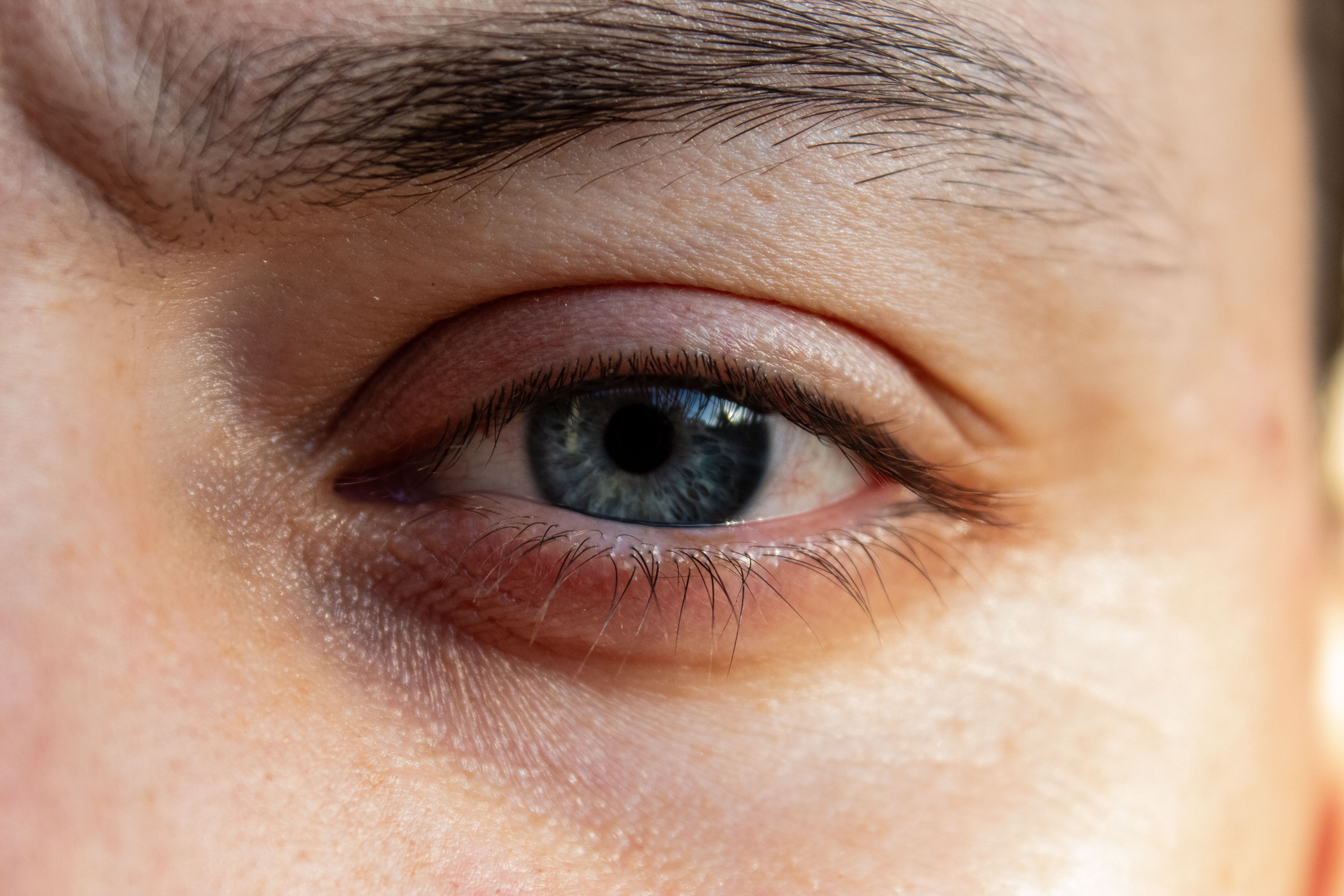
Your eyes can look tired even when you have had a good night's sleep. Extra skin, under-eye puffiness, or changes in the eyelids can gradually affect the way your face looks, which is why many people begin researching surgical options.
If you are considering Eyelid Surgery in Islamabad, one of the most important questions is whether blepharoplasty is actually suitable for your concerns. The answer depends on your eyelid anatomy, skin quality, expectations, overall health, and the specific change you want to address.
What Is Blepharoplasty?
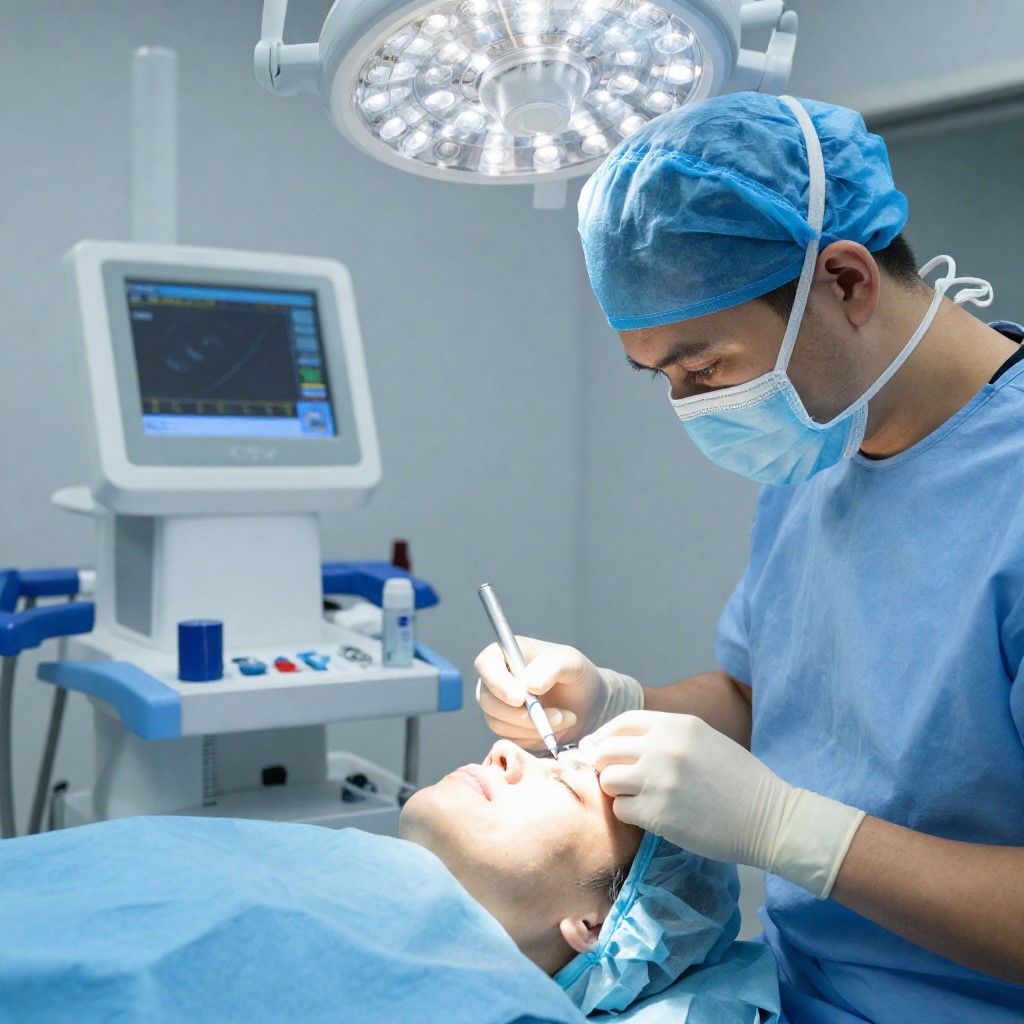
Blepharoplasty is a surgical procedure that can address certain concerns involving the upper eyelids, lower eyelids, or both. Depending on the patient's anatomy, surgery may involve removing or repositioning excess skin, fat, or other tissues.
Blepharoplasty is not simply a procedure for making the eyes look younger. It can be planned for different aesthetic concerns and, in selected cases, may also be relevant when excess upper-eyelid tissue affects the visual field.
A consultation is necessary to determine what is actually causing the appearance you want to change.
Who May Consider Eyelid Surgery in Islamabad?
People often begin considering eyelid surgery when they notice changes that persist despite lifestyle improvements or skincare. These may include heavy-looking upper eyelids, excess skin, under-eye bags, or a tired appearance around the eyes.
The right candidate is assessed individually rather than by age alone. Some people develop noticeable eyelid changes relatively early, while others may retain firm and youthful-looking eyelids for much longer.
Your surgeon can assess whether your concerns are suitable for blepharoplasty and explain what improvement may realistically be possible.
Signs That Your Eyelids May Need Assessment
Not every concern around the eyes requires surgery. However, certain changes may be worth discussing during a professional consultation.
- Upper-eyelid excess skin: Skin may gradually become heavier or more noticeable above the eyes.
- Lower-eyelid bags: Fat or tissue beneath the eyes can create persistent puffiness.
- Loose eyelid skin: Reduced elasticity may contribute to a tired or aged appearance.
- Eyelid asymmetry: One eyelid may naturally look different from the other.
- Visual-field concerns: In some cases, excess upper-eyelid tissue may contribute to obstruction of the upper field of vision.
- Changes after ageing: Gradual changes in skin and supporting tissues can alter the appearance of the eye area.
What If Your Main Concern Is Under-Eye Darkness?
Dark circles are extremely common, particularly in South Asian populations, but they do not always result from excess eyelid skin or fat. Pigmentation, shadows, tear-trough anatomy, thin skin, and vascular factors can all contribute to the appearance of dark circles.
Blepharoplasty does not correct every cause of under-eye darkness. If pigmentation is your primary concern, your surgeon may explain that eyelid surgery may not address the issue you are hoping to improve.
This is why identifying the cause is more important than choosing a procedure based only on photographs or online examples.
What If Your Eyelids Look Heavy?
Heavy upper eyelids can have more than one cause. Excess skin may contribute, but brow position, facial anatomy, or changes in the tissues around the eyes may also affect the appearance.
During Eyelid Surgery in Islamabad, a surgeon can assess the relationship between the eyebrows and eyelids before recommending treatment. Treating the eyelid alone may not address every reason for a heavy-looking upper eye.
A personalized assessment helps determine whether blepharoplasty is appropriate or whether another treatment consideration is needed.
Your Skin Quality Matters
Skin elasticity can influence both the appearance of the eyelids and the way they respond to surgery. Ageing, genetics, sun exposure, and individual skin characteristics can all affect eyelid skin.
Good surgical planning takes skin quality into account. A surgeon needs to consider how much excess skin is present without removing more tissue than is appropriate.
The aim is to create a balanced result while preserving normal eyelid function.
What About Lower Eyelid Surgery?
Lower blepharoplasty is generally considered when concerns involve the lower eyelids, such as prominent fat pockets, selected forms of skin laxity, or changes in the contour beneath the eyes.
However, not every patient with under-eye bags requires the same correction. The lower eyelid is a complex area where skin, fat, muscle, and supporting tissues interact.
Your surgeon may therefore assess the entire lower eyelid and surrounding area before deciding whether surgery is suitable.
When Might Blepharoplasty Not Be the Main Solution?
Sometimes the concern that appears to be an eyelid problem comes from another facial feature. Brow position, cheek structure, skin pigmentation, tear troughs, or general facial proportions may contribute to the appearance.
The most appropriate treatment depends on the actual source of the concern. If blepharoplasty would not address the main issue, a responsible consultation should make that clear rather than recommending surgery automatically.
Patients should feel comfortable asking why a particular procedure has been suggested and what it is expected to change.
Understanding the Possible Risks
Like any surgical procedure, blepharoplasty has potential risks. Temporary swelling, bruising, discomfort, dryness, and changes in sensation can occur during recovery.
More significant complications may include bleeding, infection, scarring, asymmetry, changes in eyelid position, difficulty closing the eyes, or other eye-related problems. Your surgeon should explain the relevant risks before you decide to proceed.
Following postoperative instructions and attending scheduled follow-up appointments are important parts of the recovery process.
Questions to Ask Before Choosing Surgery
A consultation should give you enough information to understand what is being proposed. Ask your surgeon what is causing your eyelid concern, what type of blepharoplasty may be appropriate, what results are realistic, and what recovery involves.
You should also understand the potential risks and limitations before making a decision. If you are unsure about any part of the plan, ask for clarification rather than relying on assumptions from social media or online before-and-after photographs.
Final Thoughts
Deciding whether blepharoplasty is right for you starts with understanding your individual eyelid concerns rather than simply wanting a younger-looking appearance. Eyelid Surgery in Islamabad may be considered for selected concerns involving excess skin, puffiness, eyelid changes, or certain functional issues, but suitability should always be established through professional assessment. Dynamic Clinic PK offers clinical expertise, board-certified surgeons, and advanced techniques for personalized eyelid evaluation and surgical planning based on individual facial anatomy and treatment goals.