FUE Hair Transplant Procedure in Bermuda: A Complete Guide
-
- September 28th, 2026
- 34 views
Hair loss can affect the hairline, crown, scalp density, and overall appearance. For people exploring long-term hair restoration options, FUE hair transplantation in Bermuda is one procedure that may be considered after a professional assessment.
Dr. Brown’s Hair Restoration Clinic provides personalized hair restoration consultations in Bermuda, helping individuals understand their hair-loss pattern, donor hair availability, treatment options, and the steps involved in a hair transplant procedure.
This guide explains what an FUE hair transplant is, how the procedure works, who may be considered for treatment, and what patients can expect during the hair restoration process.
- What Is an FUE Hair Transplant?
FUE stands for Follicular Unit Excision. It is a hair transplantation technique in which individual follicular units are carefully extracted from a donor area and transplanted into areas experiencing hair thinning or hair loss.
Unlike older strip-based techniques, FUE involves extracting individual follicular units rather than removing a strip of scalp tissue.
The procedure may be used to address concerns such as:
Whether FUE is appropriate depends on individual factors, including the pattern and progression of hair loss, donor hair characteristics, scalp condition, and treatment goals.
- Receding hairlines
- Hair thinning
- Reduced scalp density
- Crown hair loss
- Certain patterns of male hair loss
- Selected cases of female hair thinning
- Beard restoration
- Eyebrow restoration
How Does the FUE Hair Transplant Procedure Work?
The FUE hair transplant procedure generally involves several stages. The exact process can vary according to the individual's treatment plan.
1. Hair Restoration Consultation
The process begins with a consultation. During the consultation, the hair-loss pattern and available donor area can be assessed.
A hair restoration consultation may include discussion of:
This assessment helps determine whether hair transplantation may be appropriate.
- Current hair-loss concerns
- Hairline and scalp density
- Donor hair availability
- Previous hair-loss treatments
- Desired restoration areas
- Suitable transplantation techniques
- Treatment expectations
- Recovery considerations
2. Treatment Planning
Once the patient's hair-loss pattern and goals have been evaluated, an individualized treatment plan can be developed.
The plan may consider the number and location of grafts, the recipient areas, donor-area characteristics, and the desired appearance of the restored hairline.
A carefully planned hairline can be particularly important because the goal is to create an appearance that complements the individual's existing facial features and hair pattern.
3. Preparing the Donor Area
The donor area is typically located where hair follicles are suitable for transplantation. Before extraction, the area is prepared according to the treatment plan.
Individual follicular units are then identified for extraction.
4. Follicular Unit Extraction
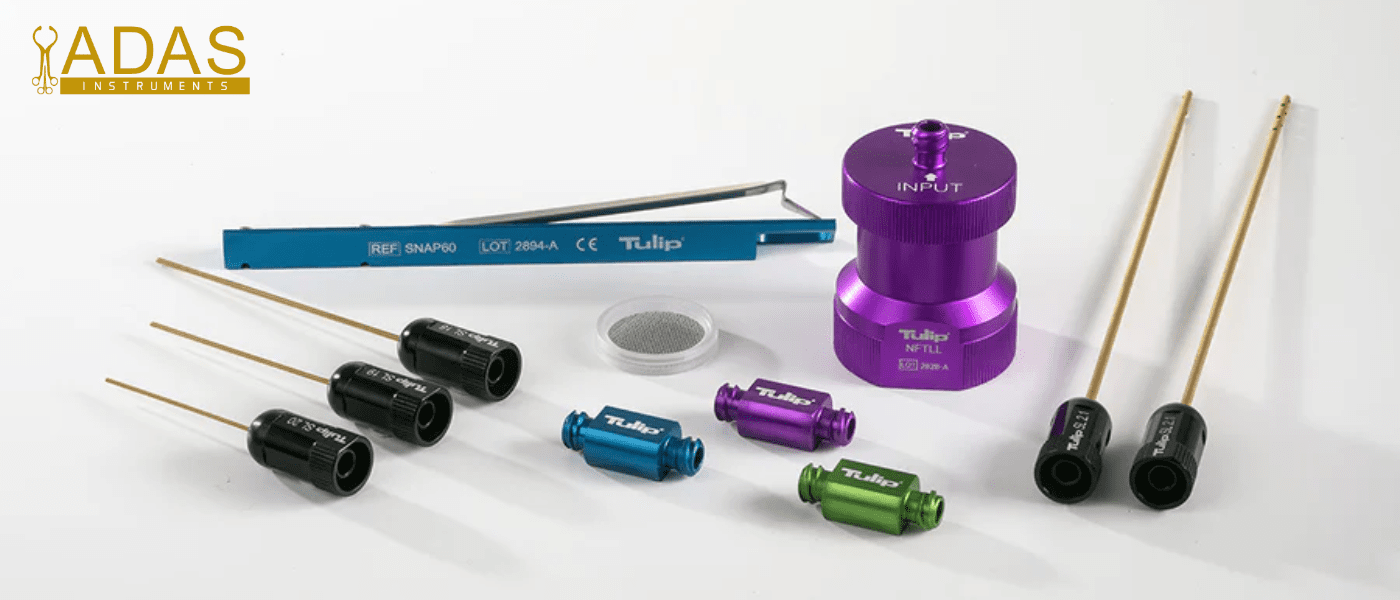
During FUE, individual follicular units are extracted from the donor area using specialized instruments.
Each follicular unit can contain one or more hairs. Careful extraction is important because the quality and preservation of the follicular units can influence the transplantation process.
The extracted grafts are handled carefully before they are prepared for implantation.
5. Preparing the Recipient Area
The recipient area is the part of the scalp where hair restoration is planned.
Small sites are created according to the planned direction, angle, and distribution of the transplanted follicles. Proper planning of these factors can help support a natural-looking arrangement of transplanted hair.
6. Implantation of Hair Follicles
The prepared follicular units are placed into the recipient area.
The placement pattern can be adjusted according to the location being treated. For example, the hairline may require attention to hair direction and density, while the crown may require a different distribution pattern.
What Areas Can FUE Hair Transplantation Treat?
FUE may be considered for several areas of hair loss, depending on the patient's individual circumstances.
Hairline Restoration
A receding or thinning hairline is a common reason people explore hair transplantation. FUE can be used to place selected follicular units in areas where additional hair density is desired.
Crown Restoration
Hair thinning at the crown can also be evaluated during a hair restoration consultation. The treatment plan may focus on improving the appearance of density in the affected region.
Scalp Hair Restoration
Individuals experiencing broader areas of scalp hair thinning may also discuss FUE as one potential restoration option.
Beard and Eyebrow Restoration
Hair transplantation techniques can also be considered for selected beard and eyebrow restoration cases. Suitability depends on individual needs and donor hair availability.
Who May Be a Candidate for an FUE Hair Transplant?
There is no single profile that guarantees suitability for FUE hair transplantation.
A professional evaluation may consider:
Some individuals may benefit from non-surgical hair restoration approaches rather than transplantation. For this reason, consultation and assessment are important before deciding on a procedure.
- The type and pattern of hair loss
- The stability of hair loss
- Donor hair density
- Hair and scalp characteristics
- Existing medical or treatment history
- Age and individual circumstances
- Restoration goals
- Expectations regarding the procedure
FUE vs. DHI Hair Transplantation
FUE and DHI are often discussed together, but they describe different aspects of hair transplantation.
FUE (Follicular Unit Excision) primarily describes the method of extracting individual follicular units from the donor area.
DHI (Direct Hair Implantation) refers to an implantation approach in which extracted follicles are placed into the recipient area using a specialized implantation technique.
The most appropriate approach depends on the individual's hair-loss characteristics, treatment goals, donor area, and clinical assessment.
What Can You Expect After an FUE Hair Transplant?
Recovery varies between individuals. Following a hair transplant, patients may experience temporary redness, swelling, sensitivity, or other short-term effects around the treated areas.
The transplanted hair goes through a natural growth cycle. The appearance of the transplanted area can therefore change during the recovery and growth process.
Patients should follow the aftercare instructions provided by their healthcare provider, including guidance regarding scalp care, physical activity, washing, and follow-up appointments.
It is important to understand that hair transplantation is a procedure rather than an instant hair-growth solution. Individual outcomes can vary.
Why Is a Hair Transplant Consultation Important?
A consultation allows the patient's specific situation to be evaluated before treatment is considered.
At Dr. Brown’s Hair Restoration Clinic in Bermuda, individuals can discuss their hair-loss concerns and explore available hair restoration options.
A consultation can help answer questions such as:
Is FUE suitable for my hair loss?
Suitability depends on factors such as donor hair availability, hair-loss pattern, scalp condition, and individual treatment goals.
How many grafts might be needed?
The number of grafts varies according to the size of the treatment area, existing hair density, donor availability, and the desired restoration plan.
Is FUE suitable for everyone?
No. Hair transplantation is not automatically appropriate for every person experiencing hair loss. A professional assessment is needed to determine suitable options.
How long does the procedure take?
The duration varies according to the treatment plan, number of grafts, and individual circumstances.
Choosing an FUE Hair Transplant Clinic in Bermuda
When researching an FUE hair transplant clinic in Bermuda, consider factors beyond the procedure name.
Important questions may include:
Does the clinic provide a professional consultation?
Understanding these factors can help patients make informed decisions about their hair restoration journey.
- Is the treatment plan personalized?
- Can the clinic explain the transplantation technique clearly?
- Is the donor area evaluated before treatment?
- Are recovery and aftercare instructions provided?
- Can patients discuss realistic expectations?
- What hair restoration options are available?
FUE Hair Transplant in Bermuda with Dr. Brown’s Hair Clinic
Dr. Brown’s Hair Restoration Clinic provides hair restoration services in Bermuda for individuals exploring solutions for hair thinning and hair loss.
The clinic's hair restoration options include FUE and DHI hair transplantation, along with other treatment options that may be considered based on individual circumstances.
If you are researching FUE hair transplant procedures in Bermuda, starting with a consultation can help you understand your available options and whether hair transplantation may be appropriate for your needs.
Frequently Asked Questions About FUE Hair Transplant in Bermuda
What does FUE mean in hair transplantation?
FUE means Follicular Unit Excision. It involves extracting individual follicular units from a donor area for transplantation into areas affected by hair loss or thinning.
Is FUE a surgical procedure?
FUE is a hair transplantation procedure involving the extraction and implantation of individual follicular units. The appropriate procedure and clinical approach should be discussed with a qualified healthcare professional.
How is FUE different from traditional strip transplantation?
FUE extracts individual follicular units rather than removing a strip of scalp tissue. The appropriate technique depends on individual circumstances.
Can FUE restore a receding hairline?
FUE may be considered for selected individuals with a receding hairline. Suitability depends on factors such as donor hair availability and the individual's hair-loss pattern.
Can women consider FUE hair transplantation?
Some women with appropriate hair-loss patterns may be candidates for hair transplantation. A professional assessment is necessary to determine suitability.
Where can I get an FUE hair transplant in Bermuda?
Individuals researching FUE hair transplantation in Bermuda can contact Dr. Brown’s Hair Restoration Clinic to discuss their hair-loss concerns and schedule a consultation.
Explore Hair Restoration Options in Bermuda
Hair loss is different for every individual, and the appropriate treatment depends on several factors. FUE hair transplantation is one option that may be considered for suitable candidates looking for a hair restoration procedure.
If you're considering an FUE hair transplant in Bermuda, speak with Dr. Brown’s Hair Restoration Clinic to learn more about the procedure, consultation process, and available hair restoration options.