Before the Scalpel: What a Plastic Surgeon Notices That Patients Often Don’t
-
- Published Updated
- 4,668 views
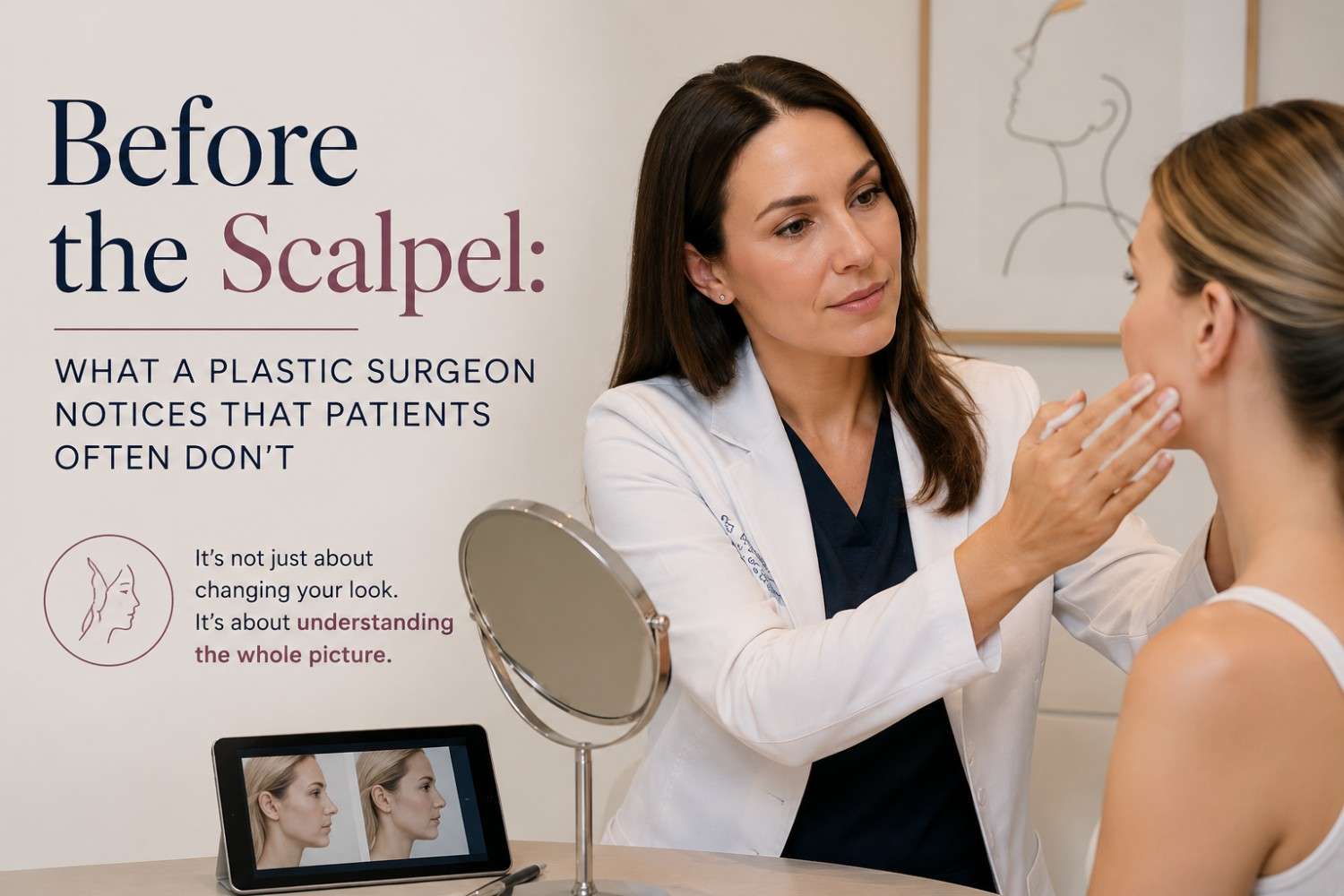
When people look in the mirror, they usually focus on one feature they would like to change: a nose that feels too prominent, breasts that feel disproportionate, loose abdominal skin, or stubborn fat that refuses to respond to exercise.
A plastic surgeon looks at something different.
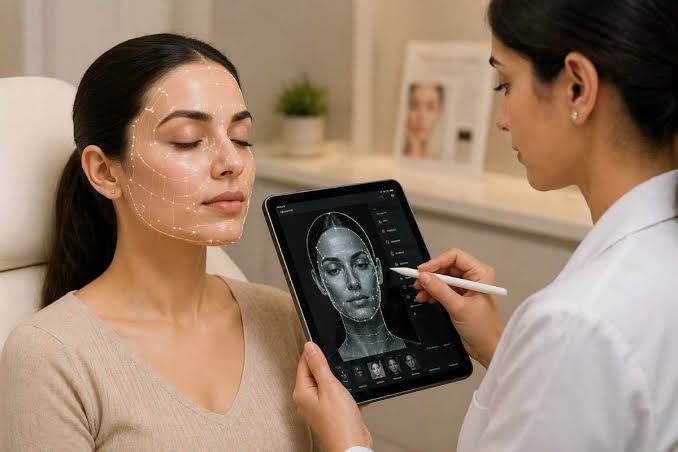
Rather than seeing one feature in isolation, a surgeon considers how different parts of the body relate to one another. Proportion, symmetry, skin quality, tissue distribution, and overall anatomy can all influence whether a particular procedure will actually produce the result a patient is hoping for.
That difference in perspective is one of the most important reasons a cosmetic surgery consultation should be more than simply saying, "I want this changed."
The Feature You Notice May Not Be the Real Issue
Consider someone who feels that their nose is too large. The instinct may be to focus entirely on reducing the nose.
But facial balance involves much more than the nose itself.
The chin, lips, cheeks, forehead, and jawline can influence how the nose appears from different angles. In some cases, the concern a patient attributes to one feature may actually be related to the relationship between several features.
The same principle applies to the body.
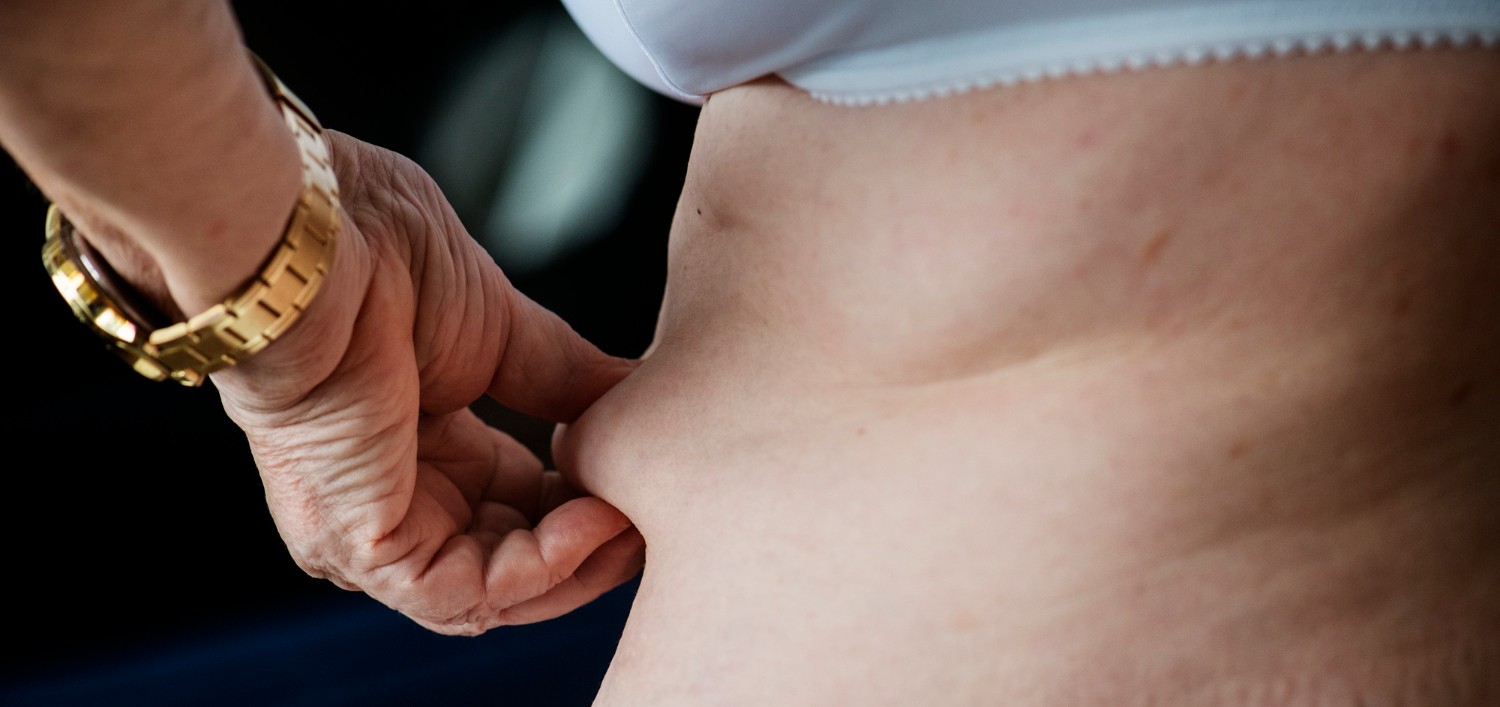
Someone may believe they simply have "stubborn belly fat," but a surgeon may also notice loose skin, abdominal muscle separation, or changes that occurred after significant weight loss. Treating only the fat may not address the concern completely.
This is why the right procedure isn't always the procedure a patient initially has in mind.
Symmetry Doesn't Mean Perfect Symmetry
Another thing surgeons notice is asymmetry.
Almost nobody has a perfectly symmetrical face or body. One breast may sit slightly higher than the other. One side of the abdomen may have a different contour. Facial features can naturally vary from one side to the other.
Patients may not notice these differences until they start closely examining photographs or mirrors.
A plastic surgeon, however, assesses these variations as part of the planning process.
The goal isn't necessarily to create mathematical symmetry. Trying to make every feature identical can actually produce an unnatural appearance. Instead, the objective is usually to create better overall balance while respecting the patient's existing anatomy.
Skin Quality Can Matter More Than People Expect
Patients often focus on how much fat or excess tissue they want removed, but skin quality can have a major influence on the final result.
Skin elasticity varies considerably between individuals. Age, genetics, pregnancy, weight fluctuations, sun exposure, and previous weight loss can all affect how well skin responds to changes in underlying tissue.
For example, liposuction can effectively reduce localized fat, but it isn't primarily a treatment for significant loose skin. Someone with good skin elasticity may achieve excellent contouring from fat removal, while someone with substantial skin laxity may require a different approach.
Understanding this distinction helps prevent unrealistic expectations.
A Surgeon Also Looks at What Shouldn't Be Changed
One of the less obvious parts of cosmetic surgery planning is identifying the features that should remain untouched.
A patient may come to a consultation wanting a dramatic transformation, but a surgeon may recognize that certain characteristics contribute positively to their overall appearance.
This is particularly important in facial surgery.
The objective isn't to create a generic "perfect" face. It is to improve harmony while preserving the characteristics that make someone look like themselves.
In my experience, the most satisfying cosmetic results are often not the most dramatic ones. They are the changes that make a person look refreshed, balanced, or more proportionate without immediately making others wonder what they had done.
Your Expectations Are Part of the Examination
An experienced surgeon doesn't only evaluate anatomy. They also listen carefully to why a patient wants surgery.
Is the concern something they have thought about for years? Has it changed after pregnancy or weight loss? Are they hoping to look different, or simply more like themselves?
These questions matter because the same physical feature can affect two people very differently.
Someone may have a relatively minor concern but expect surgery to completely change their confidence or lifestyle. In another case, a patient may have a significant physical concern but only want a subtle improvement.
Understanding those expectations helps determine whether surgery is appropriate in the first place.
Sometimes the Best Recommendation Is to Wait
An important part of responsible plastic surgery is recognizing when not to operate.
A patient may not yet have reached a stable weight. Their expectations may not be realistic. A medical issue may need to be investigated first. Or perhaps a non-surgical approach could address the concern adequately.
Surgery should not be treated as the automatic answer to every cosmetic concern.
A proper consultation gives both the patient and surgeon an opportunity to determine whether the expected benefits justify the procedure, recovery, risks, and commitment involved.
What Happens Before the Scalpel Matters
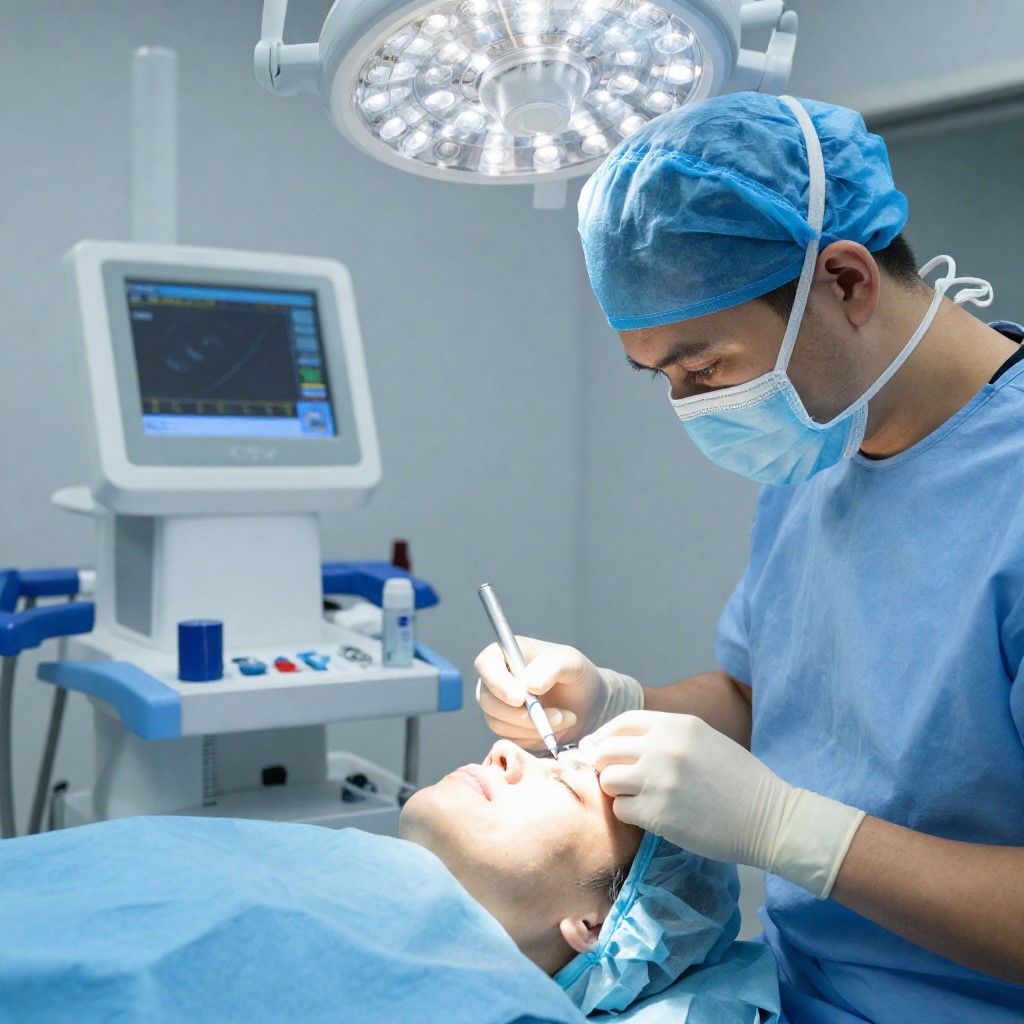
The surgical procedure itself may receive most of the attention, but much of the important decision-making happens beforehand.
A good consultation should involve discussion about:
- The patient's specific concerns
- Medical history and previous procedures
- Skin and tissue quality
- Body or facial proportions
- Available treatment options
- Potential risks and complications
- Recovery requirements
- Scarring
- Realistic expectations
This individualized approach is particularly important when comparing surgeons. Two surgeons may recommend different techniques for the same cosmetic concern because they interpret the patient's anatomy and goals differently.
That doesn't necessarily mean one is right and the other is wrong. It highlights why personalized surgical planning matters.
The Best Result May Be the One Nobody Can Immediately Identify
There is a certain irony in cosmetic surgery: patients often want people to notice an improvement without being able to identify exactly what changed.
That requires restraint.
Whether someone is considering facial surgery, breast surgery, liposuction, tummy tuck, fat transfer, or another body contouring procedure, the goal should not simply be to make a change. The goal is to make the right change for that individual.
For those researching a Best Plastic Surgeon in Abu Dhabi, the consultation process is therefore just as important as the procedure itself. Looking beyond photographs and focusing on qualifications, communication, surgical planning, safety, and realistic expectations can help patients make a much more informed decision.
Ultimately, the best cosmetic surgery isn't about chasing perfection. It's about understanding what can realistically be improved—and knowing when subtle, carefully planned changes can make the biggest difference.