Guide to Facial Wrinkle Treatments and Consultation Steps
-

- Published Updated
- 1,390 views
Facial wrinkle treatment options range from topical products to injectable and procedural therapies. Choosing an appropriate facial wrinkle treatment depends on wrinkle type, skin quality, medical history, expected downtime, and long-term goals.
- Options include neuromodulators, dermal fillers, topical retinoids, chemical peels, lasers, microneedling, and surgery.
- Consultation with a qualified clinician evaluates skin type, medical history, and realistic outcomes.
- Consider efficacy, risks, recovery time, and cost; some treatments require repeat visits.
- Refer to professional guidance from organizations such as the American Academy of Dermatology and regulatory information from the U.S. Food and Drug Administration when researching options.
Facial wrinkle treatment: common options
Neuromodulators (botulinum toxin)
Neuromodulators temporarily reduce muscle activity that causes dynamic wrinkles, such as forehead lines and crow's feet. Effects typically begin within days to two weeks and last several months. Treatments are commonly performed in outpatient settings and require periodic retreatment to maintain results.
Dermal fillers
Dermal fillers restore volume and smooth static lines by supporting soft tissues beneath the skin. Hyaluronic acid fillers are frequently used for nasolabial folds, marionette lines, and cheek augmentation. Longevity varies by product and placement; some are reversible.
Topical treatments
Topical retinoids, peptides, antioxidants, and sunscreen can improve texture and reduce the appearance of fine lines over time. Consistent sun protection is essential for prevention and for preserving treatment results. Over-the-counter and prescription formulations differ in strength and expected outcomes.
Chemical peels and resurfacing
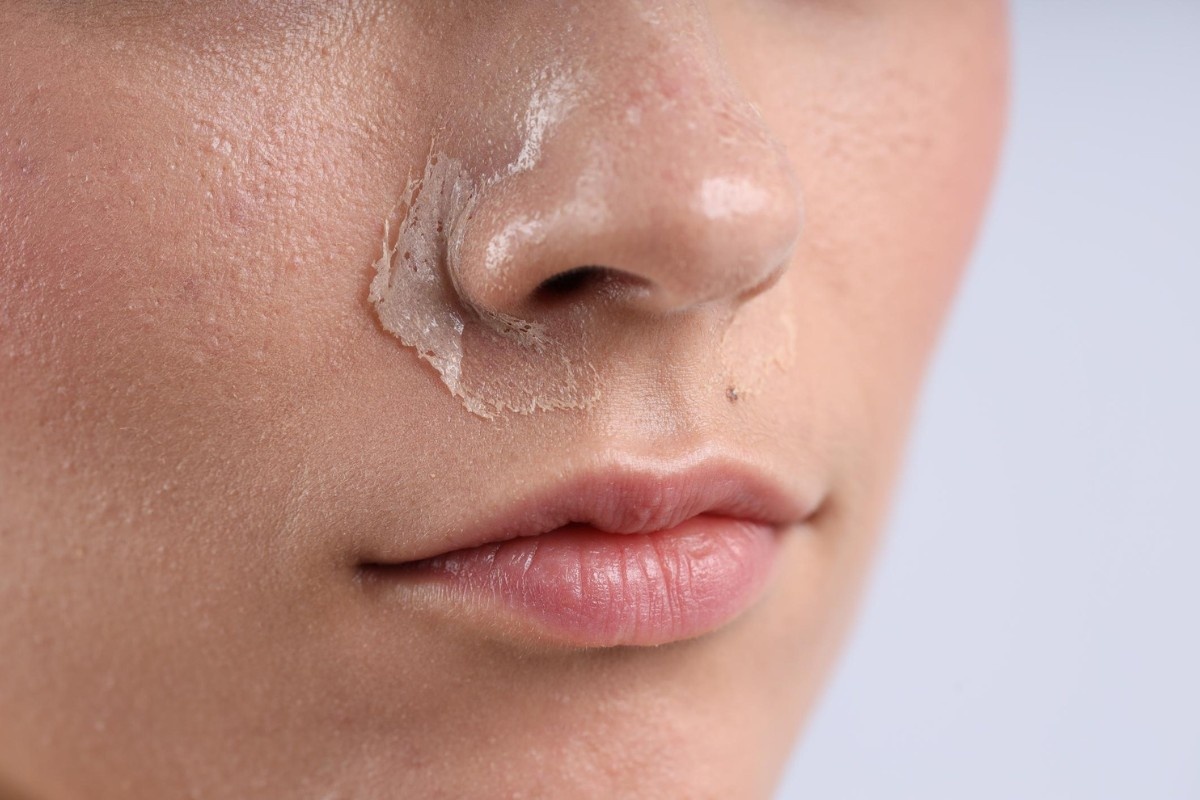
Chemical peels use acids of varying strengths to remove superficial layers of skin and stimulate regeneration. Superficial peels address fine lines and textural irregularities, while medium and deep peels require longer recovery and may produce more pronounced improvement.
Laser and light-based procedures
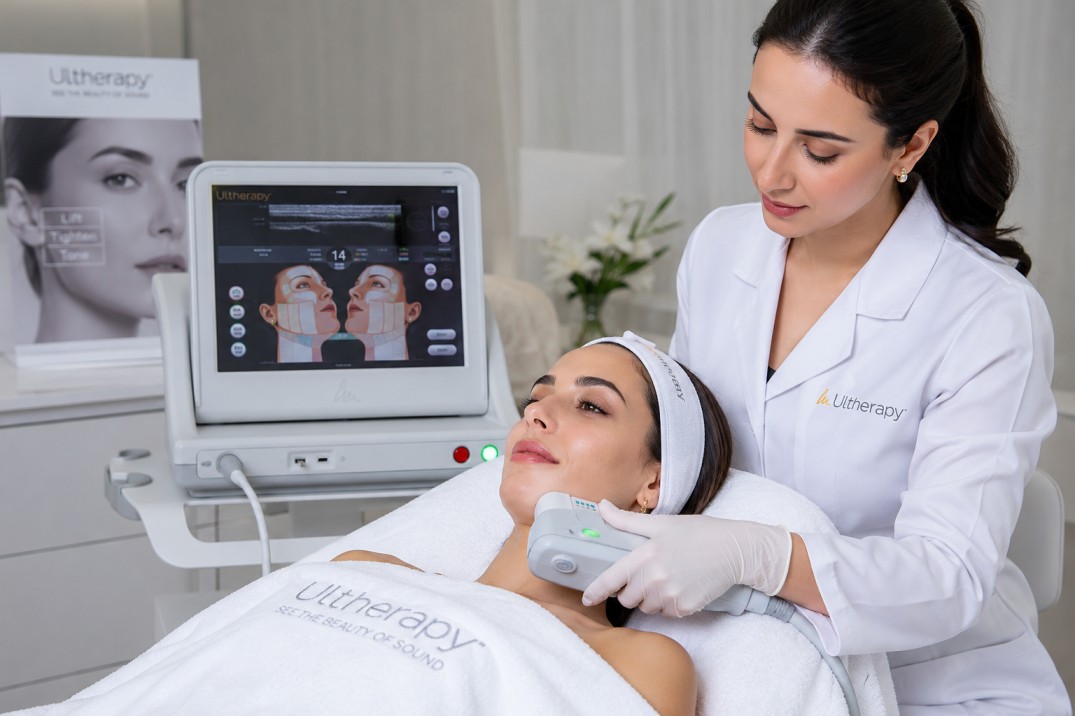
Laser resurfacing and fractional devices target collagen remodeling and pigment changes. Non-ablative lasers offer milder effects with reduced downtime, while ablative lasers provide greater resurfacing at the cost of longer recovery. Device settings should be tailored to skin tone to minimize risks like hyperpigmentation.
Microneedling and combination therapies
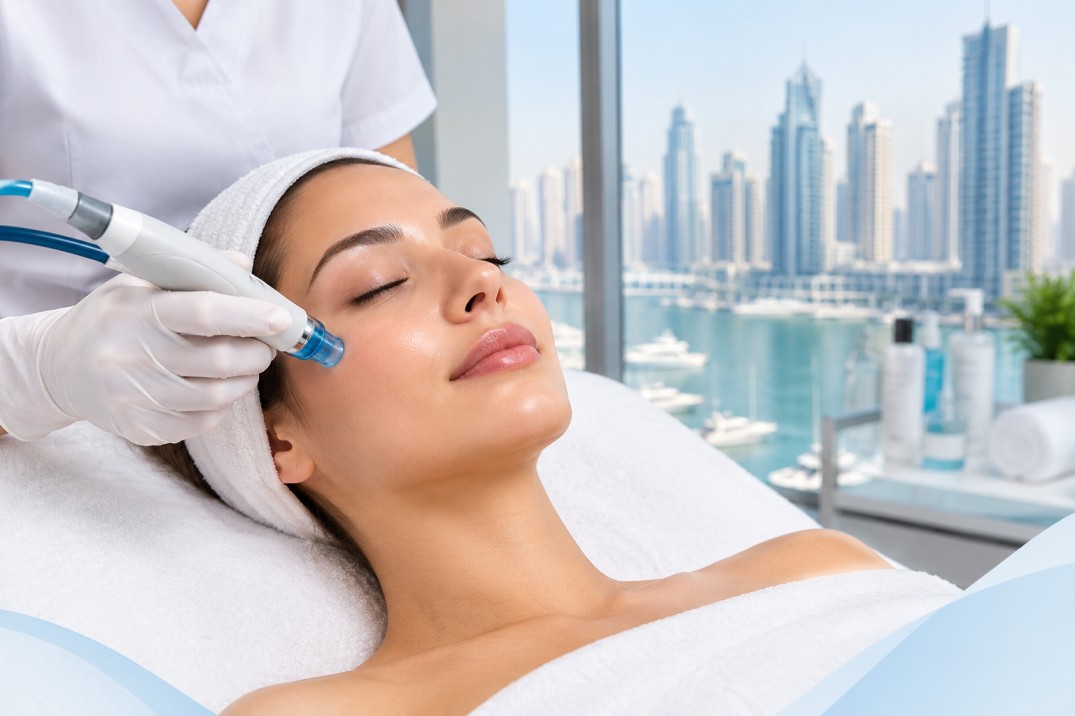
Microneedling creates controlled microinjury to stimulate collagen production and can be combined with topical agents or radiofrequency energy to enhance results. Combination approaches often address multiple aging features simultaneously.
Surgical options
For advanced skin laxity, surgical procedures such as facelift and eyelid surgery alter underlying tissues and provide longer-lasting structural improvement. Surgery involves anesthesia and a significant recovery period; candidacy depends on health status and expectations.
Consultation: what to expect and questions to ask
Evaluation and goal-setting
A consultation typically includes medical history, review of prior procedures and medications, skin examination, and discussion of realistic goals. Clinicians may use standard photographs and discuss multiple approaches, costs, and the expected number of sessions.
Risk assessment and safety
Potential risks differ by treatment: injection-related bruising or asymmetry, infection, pigment changes after procedures, scarring, or adverse reactions. Providers should explain contraindications, such as certain neuromuscular conditions for neuromodulators or photosensitivity with some topical agents. Regulation and device approvals vary by country; refer to the U.S. Food and Drug Administration (FDA) and national dermatology associations for safety information.
Practical considerations
Ask about recovery time, post-care instructions, how long results typically last, and cost estimates including follow-up visits. Verify provider qualifications, clinic accreditation, and whether treatments are performed by or supervised by licensed medical professionals. Request to see before-and-after images of patients with similar concerns.
Choosing a provider and informed consent
Qualifications and training
Providers may include board-certified dermatologists, plastic surgeons, or qualified clinicians trained in aesthetic procedures. Confirm credentials, experience with specific treatments, and sterile technique. Professional guidelines from recognized organizations help set standards of care.
Informed consent and documentation
Before treatment, informed consent should outline intended benefits, potential complications, alternatives, and expected course of recovery. Clear documentation of discussed risks and planned follow-up supports patient safety and decision-making.
Aftercare and follow-up
Post-treatment instructions vary by procedure and may include sun avoidance, topical applications, activity restrictions, and signs that warrant medical attention. Scheduled follow-up visits allow assessment of outcomes and management of complications if they arise.
Cost and maintenance
Costs vary widely by treatment type, geographic location, and provider. Many non-surgical treatments require ongoing maintenance, which should be included in long-term planning and budgeting.
Evidence and guidance
Research literature and clinical guidelines from dermatology and surgical societies provide evidence on effectiveness, comparative outcomes, and safety. For current practice recommendations, consult professional organizations such as the American Academy of Dermatology and regulatory resources like the FDA.
Frequently asked questions
What is the most effective facial wrinkle treatment?
Effectiveness depends on wrinkle type: neuromodulators are effective for dynamic wrinkles caused by muscle movement, while fillers and resurfacing techniques target volume loss and skin texture. Surgical procedures address significant tissue laxity. A qualified clinician can recommend the most appropriate approach based on individual assessment.
How long do non-surgical treatments last?
Neuromodulators often last several months; dermal fillers range from months to years depending on product and placement. Topical treatments require ongoing use, and results from lasers or peels may be semi-permanent but benefit from maintenance and sun protection.
Are there risks of scarring or permanent damage?
Most non-surgical procedures have low rates of permanent complications when performed by experienced providers, but risks include infection, pigment changes, or, rarely, scarring. Proper technique, pre-procedure assessment, and post-care reduce these risks.
How should one prepare for a consultation?
Prepare a list of current medications, prior procedures, and specific concerns. Note any history of bleeding disorders, autoimmune conditions, or reactions to treatments. Bring photos of desired outcomes if helpful for discussion.
Can multiple treatments be combined?
Combination therapies are common to address multiple signs of aging and may provide synergistic results. Timing and sequencing should be planned by the provider to optimize safety and outcomes.
Where to find reliable information?
Trusted sources include professional societies, peer-reviewed journals, and regulatory agencies. For guidance on skin health and aesthetic procedures, consult resources such as the American Academy of Dermatology and national health regulators.