How Technology is Transforming Fashion Design Education
-

- Published Updated
- 5,890 views
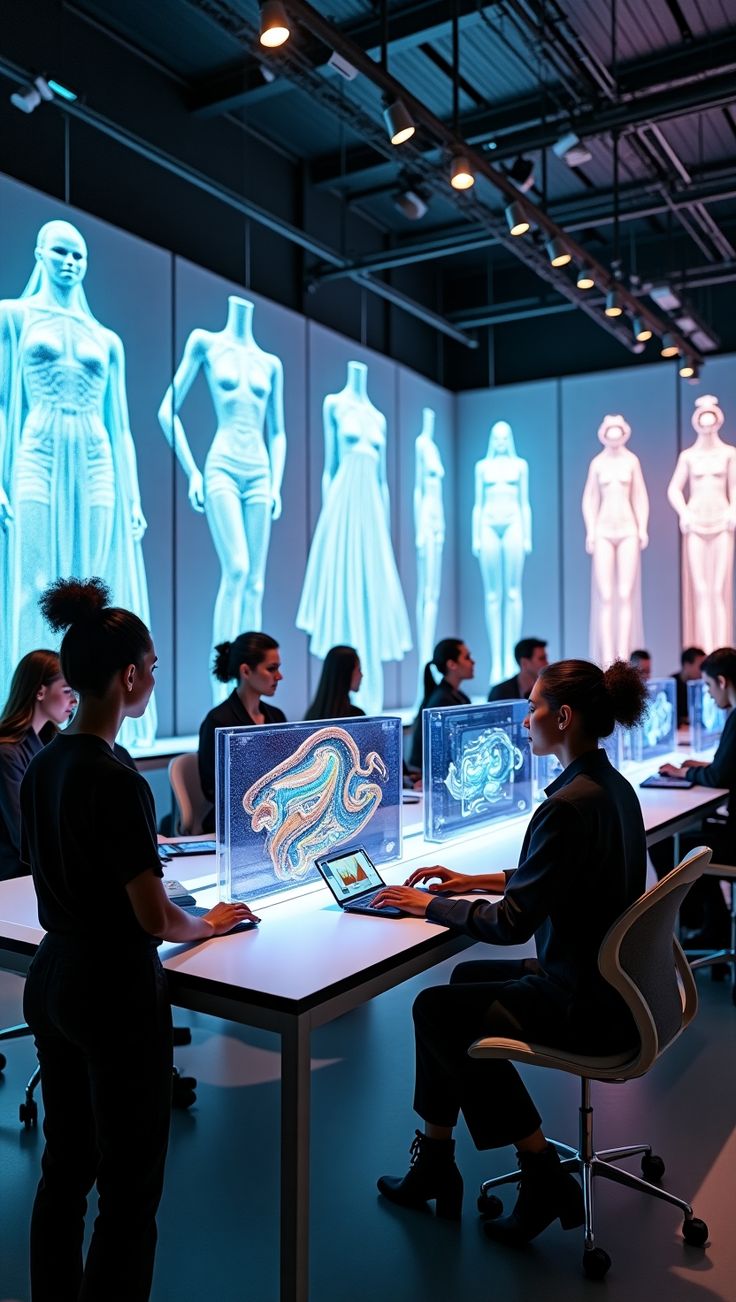
The fashion industry has always been associated with creativity, innovation, and self-expression. However, in recent years, technology has become a major force shaping the future of fashion. From digital design software and 3D modeling to artificial intelligence and virtual learning, technology is revolutionizing the way fashion is created, marketed, and consumed. As the industry evolves, fashion design education is also undergoing significant changes to prepare students for modern career opportunities. Today, fashion institutes are integrating advanced technologies into their curriculum, helping students develop both creative and technical skills needed for success in the competitive fashion world.
The Shift from Traditional to Digital Design
Traditionally, fashion design education focused heavily on hand sketching, manual pattern making, and physical garment construction. While these foundational skills remain important, digital tools have become an essential part of the learning process. Fashion students now use Computer-Aided Design (CAD) software to create detailed sketches, technical drawings, and garment patterns with greater precision.
Digital design tools allow students to experiment with colors, fabrics, textures, and silhouettes more efficiently than traditional methods. Changes can be made quickly without starting from scratch, saving time and increasing productivity. By learning industry-standard software, students gain practical skills that make them more employable in the fashion industry.
The Rise of 3D Fashion Design
One of the most exciting developments in fashion education is the use of 3D design technology. Modern software enables students to create virtual garments and view them on digital models before producing physical samples. This technology provides a realistic representation of how a garment will look and fit, allowing designers to identify and correct design issues early in the process.
3D fashion design offers several benefits for students. It encourages creativity, improves visualization skills, and reduces material waste. Students can test multiple design concepts without using fabric, making the learning process more cost-effective and environmentally friendly. As many fashion brands adopt 3D technology, students trained in these tools gain a significant advantage in the job market.
Artificial Intelligence and Fashion Innovation
Artificial Intelligence (AI) is becoming increasingly important in the fashion industry. AI-powered tools can analyze consumer behavior, identify fashion trends, and predict future market demands. Fashion design students are now being introduced to these technologies to understand how data can support creative decision-making.
AI can help designers create collections that align with consumer preferences and market trends. It can also assist in inventory management, personalized shopping experiences, and product recommendations. By learning about AI and data-driven design strategies, students gain valuable insights into the business side of fashion, preparing them for leadership roles in the industry.
Virtual Learning and Global Accessibility
Technology has transformed the way students access education. Online learning platforms, virtual classrooms, and digital workshops have made fashion education more accessible than ever. Students can attend lectures, participate in design projects, and interact with industry professionals from anywhere in the world.
Virtual learning also provides opportunities for collaboration. Students can work on group projects, share design ideas, and receive feedback through digital platforms. This flexibility allows aspiring designers to continue learning and developing their skills regardless of geographical limitations. It also exposes students to diverse perspectives and global fashion trends.
Technology and Sustainable Fashion Education
Sustainability has become a major focus in the fashion industry, and technology is playing a crucial role in promoting environmentally responsible practices. Fashion institutions are teaching students how digital tools can reduce waste and improve production efficiency.
Virtual prototyping, digital sampling, and 3D garment visualization reduce the need for multiple physical samples, saving fabric and resources. Technology also enables designers to analyze material usage and optimize production processes. By incorporating sustainability into fashion education, institutes are preparing students to contribute to a more responsible and eco-friendly fashion industry.
Digital Marketing and Brand Building
Fashion education today extends beyond design and garment construction. Students must also understand how to market their work in a digital environment. Social media platforms, e-commerce websites, and digital branding have become essential tools for fashion professionals.
Technology allows students to learn about online marketing strategies, content creation, influencer collaborations, and brand management. These skills help aspiring designers promote their collections, connect with audiences, and build successful fashion businesses. Understanding digital marketing gives students a competitive edge in an increasingly online marketplace.
Industry Exposure Through Technology
Modern fashion institutes are using technology to provide students with industry-relevant experiences. Virtual fashion shows, online portfolio development, digital competitions, and interactive workshops allow students to showcase their creativity and gain exposure to industry standards.
Many institutions also collaborate with fashion brands and technology companies to provide practical training opportunities. These experiences help students understand current industry practices and prepare them for professional careers. Technology bridges the gap between classroom learning and real-world application.
Preparing Future Fashion Professionals
The integration of technology into fashion design education is transforming how students learn, create, and innovate. Today’s fashion professionals need more than artistic talent; they must also understand digital tools, data analysis, sustainability, and online branding. Fashion institutes that embrace technology are equipping students with the skills required to thrive in a rapidly changing industry.
As technology continues to evolve, its influence on fashion education will only grow stronger. Students who combine creativity with technological expertise will be better positioned to lead the future of fashion. By embracing innovation, fashion education is creating a new generation of designers who are ready to shape a dynamic, sustainable, and globally connected fashion industry.