Designer Guide: How to Dress to Impress with Fit, Fabric, and Style
-

- Published Updated
- 765 views
Detected intent: Informational
Introduction: What it means to dress to impress
To dress to impress means choosing and wearing a dress that communicates purpose, confidence, and attention to detail. This guide explains how designers and style-conscious shoppers use silhouette, fabric, tailoring, and finishing to create dresses that leave a strong, authentic impression. The primary emphasis is on actionable decisions—how to select cuts, balance proportions, and finish garments so they read as intentional rather than merely trendy.
- Core idea: prioritize purpose, proportion, and fabric to dress to impress.
- Includes a named 3P Design Checklist, a short real-world example, and 4 practical tips.
- Covers common mistakes, trade-offs, and quick tailoring actions that make the biggest difference.
Dress to Impress: Designer principles that matter
Designers focus on three consistent levers to ensure a dress impresses: silhouette (how the garment shapes the body), fabric (how material moves and reflects light), and finish (tailoring and small details). These levers work across styles—cocktail, evening wear, and casual refined looks—and should align with the wearer's purpose (the occasion) and personal proportions.
Key terms and related concepts
Silhouette, drape, grainline, bias cut, interfacing, bespoke tailoring, couture finishes, and patternmaking are common terms in dress design. Synonyms and related entities include bespoke, made-to-measure, couture, ready-to-wear, muslin fitting, and alteration. These terms help connect design intent to practical steps when aiming to dress to impress.
3P Design Checklist (named framework)
Use the 3P Design Checklist as a quick framework to evaluate any dress before wearing or producing it.
- Purpose — Define the occasion and the impression target: professional, romantic, avant-garde, or understated luxury.
- Proportion — Check vertical and horizontal balance: waistline placement, skirt length vs. torso length, sleeve scale. Adjust hem or waist to align with the wearer’s proportions.
- Performance (Fabric & Finish) — Choose fabric for movement and visual weight; refine with seams, hems, facing, and quality closures (zips, hooks) for a polished edge.
Short real-world example
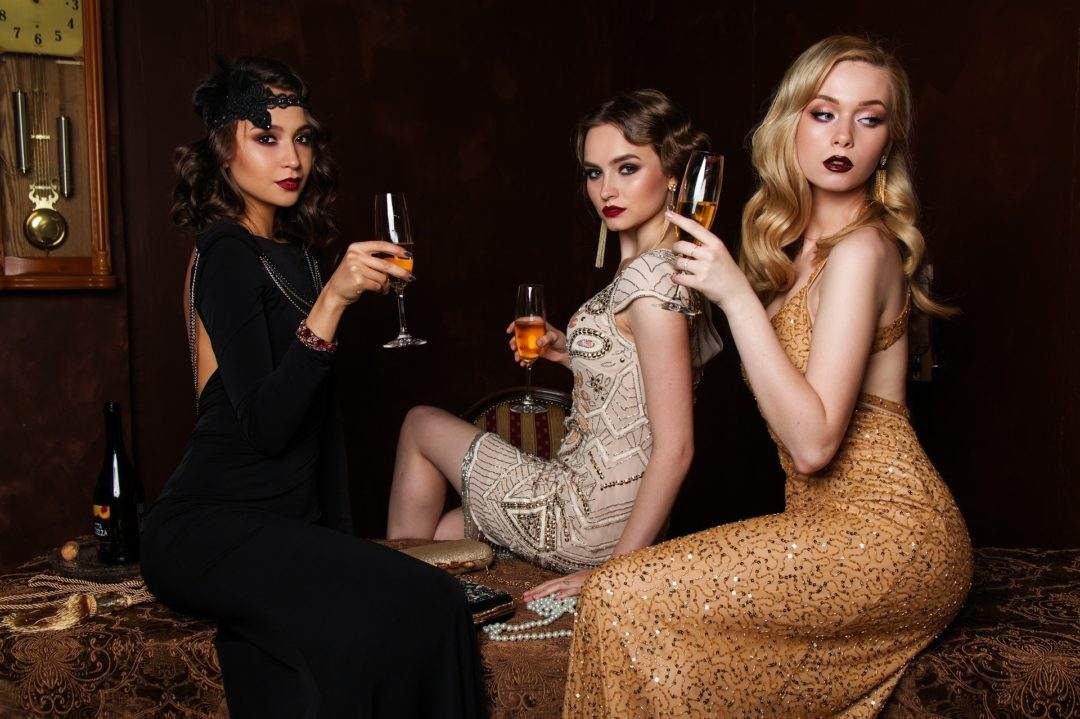
Scenario: A freelance creative needs a versatile cocktail dress for client meetings and evening networking. Starting point: a mid-length sheath in a medium-weight crepe. Apply the 3P Checklist: Purpose (versatile professionalism), Proportion (raise waistline by 1" to elongate legs), Performance (interfacing at the neckline and a center-back invisible zipper). Final result: a clean silhouette that looks bespoke after a single tailoring session.
Practical steps to design or choose a dress that will impress
designer dress styling tips
Follow these step-by-step actions when building or selecting a dress:
- Define the occasion and lighting. Matte fabrics read differently under soft evening light than in daylight—match fabric sheen to the setting.
- Start with a strong base silhouette (sheath, A-line, fit-and-flare, column) and refine with strategic seaming to flatter the body shape.
- Choose fabric by weight and drape: medium-weight crepe for structure, silk charmeuse or satin for formal sheen, and lightweight georgette for layered movement.
- Invest in one tailoring session: adjust hem, nip waist, and fine-tune shoulder fit—these fixes typically yield the highest perceived quality for the lowest cost.
- Finish with intentional accessories: a structured clutch, clean shoes, and minimal jewelry preserve the dress's statement without overwhelming it.
evening wear tailoring guide
Evening wear benefits most from clean seams, proper lining, and thoughtful closures. Use a full lining for cling-prone fabrics, add horsehair braid to hems for swing, and prefer invisible zippers or hand-stitched finishes for refinement. The right undergarment (shapewear or a supportive slip) also changes how the fabric sits on the body.
Common mistakes and trade-offs
Common mistakes
- Choosing trends over proportion—trend silhouettes often contradict body balance and reduce impact.
- Ignoring fabric behavior—lightweight prints may look busy; heavy fabrics can flatten intended drape.
- Skipping tailoring—off-the-rack sizing rarely matches individual proportions, and small adjustments create a custom appearance.
Trade-offs to consider
Opting for high-structure fabrics increases perceived quality but reduces comfort. Choosing fluid fabrics enhances movement but may require more lining and reinforcement at seams. Budget constraints often force a trade-off between fabric quality and construction—prioritize fit and finishing over decorative excess for the strongest impression.
Practical tips for immediate improvement
- Tailor the hem: a 1–2 inch hem adjustment often resolves proportion issues and is a quick, affordable fix.
- Replace cheap closures: swap out visible plastic zippers for metal or invisible zips to lift the garment’s perceived quality.
- Use simple underpinnings: the right bra or slip changes silhouette dramatically—test garments with the undergarments intended for the event.
- Mind the shoulder line: a well-fitted shoulder prevents fabric from sagging or puckering across the chest and back.
Core cluster questions for internal links and topic coverage
- How does fabric choice change a dress’s visual impact?
- What tailoring alterations most improve off-the-rack dresses?
- Which silhouettes best flatter common body proportions?
- How to style accessories without overpowering a statement dress?
- When to choose bespoke or made-to-measure versus ready-to-wear?
Industry associations and design bodies publish standards and guidance on professional practices; consult trade organizations for market and quality benchmarks. For an overview of fashion industry standards and resources, refer to the Council of Fashion Designers of America (CFDA) for background and professional guidance: cfda.com.
Final checklist before stepping out
- Does the dress align with the event’s expected formality?
- Is the waistline and hem proportionate to height and torso length?
- Are closures smooth and seams finished cleanly?
- Are undergarments and accessories chosen to support, not compete with, the dress?
FAQ
How can I dress to impress for a formal event without buying a new dress?
Adjust the garment’s fit with a hemming or waist alteration, upgrade visible hardware (zips, buttons), add a lining or structured undergarment, and choose refined accessories. These changes improve how the dress reads in photographs and in-person while avoiding a full wardrobe purchase.
Which fabrics create the most polished look for evening dresses?
Medium-weight crepes, satin back crepe, silk satin, and wool-silk blends create polished silhouettes. These fabrics hold structure yet allow for movement; pairing them with quality lining enhances finish.
What alterations typically have the highest return on investment?
Hemming, taking in the waist, adjusting shoulders, and replacing a zipper are the most impactful and cost-effective alterations. Each addresses visible fit issues that immediately increase perceived quality.
Is bespoke always necessary to impress?
No. Properly altered ready-to-wear with quality finishing and the right fabric can look bespoke. Bespoke is worthwhile when unique fit and design are essential or for signature occasionwear where longevity matters.
How to care for a designer dress to keep it looking impressive?
Follow fabric care labels, use appropriate storage (padded hangers, garment bags), repair small issues promptly, and use professional cleaning for delicate fabrics. Proper care preserves shape, sheen, and stitching that contribute to an ongoing impressive appearance.